
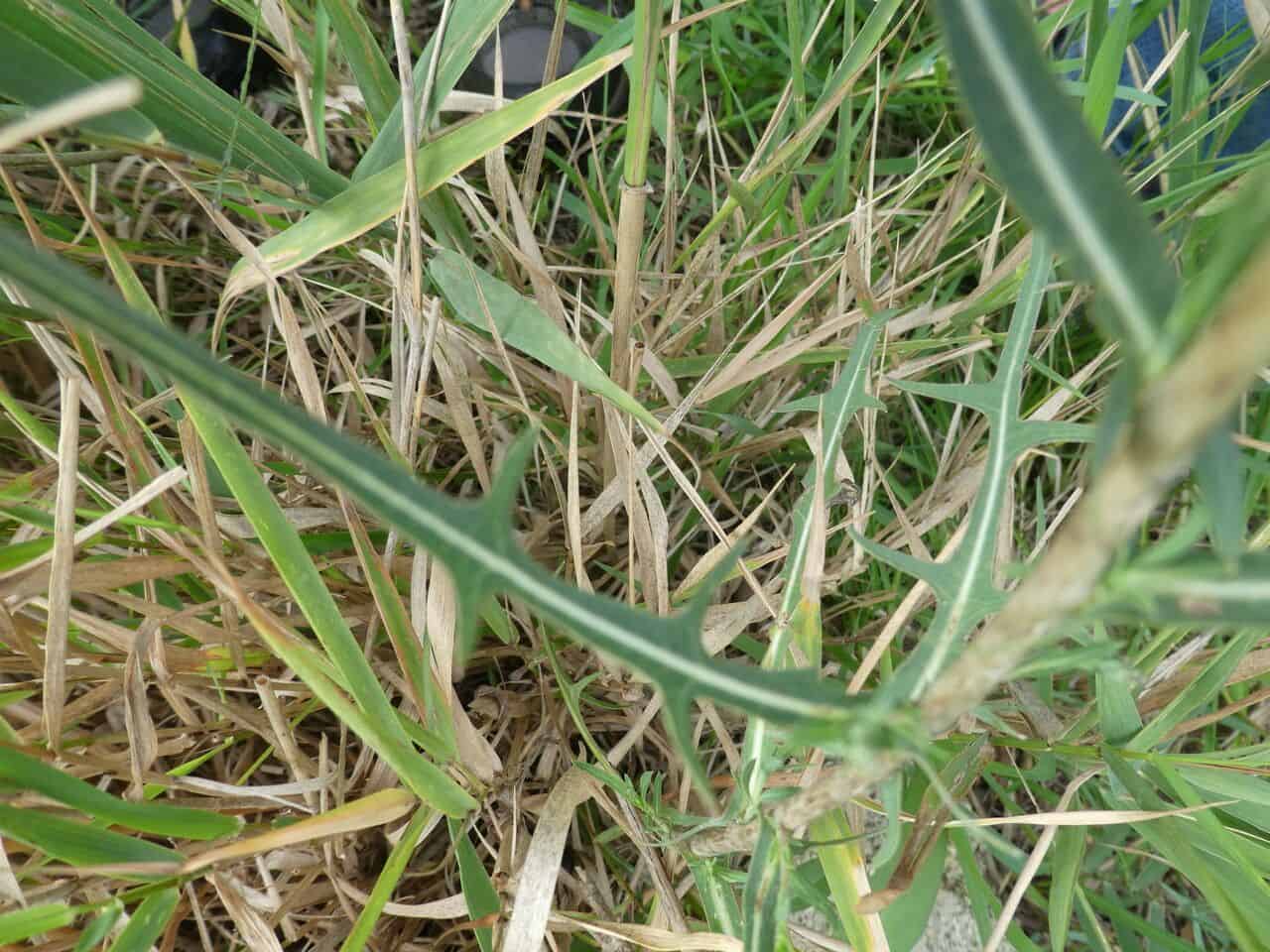
Taming the Wild Lettuce: A Guide to Propagating Lactuca saligna
Lactuca saligna, also known as willowleaf lettuce or wild lettuce, might sound like something you’d find growing between cracks in the sidewalk, but don’t let that fool you. This intriguing plant, with its slender leaves and tenacious spirit, is gaining popularity among adventurous gardeners and culinary enthusiasts alike. Why? Because beyond its wild moniker lies a plant harboring surprising beauty, a unique flavor profile, and intriguing potential for culinary exploration.
Ready to invite a touch of the wild into your garden? Here’s how to propagate Lactuca saligna:
Two Routes to Success: Seeds vs. Cuttings
Similar to its cultivated cousin, Lactuca sativa (the lettuce we’re all familiar with), Lactuca saligna can be propagated through:
Seeds: The most common and straightforward method.
- Cuttings: A slightly more advanced technique for experienced gardeners.
Method 1: Sowing the Seeds of Success
- Source your seeds: You can purchase Lactuca saligna seeds online or from specialty seed suppliers.
- Timing is key: Start seeds indoors 4-6 weeks before the last expected frost, or directly sow outdoors after the danger of frost has passed.
- Prepare your seedbed: Use a well-draining seed starting mix or garden soil amended with compost.
- Sowing depth: Sow seeds shallowly, about ¼ inch deep, and cover lightly with soil.
- Water wisely: Maintain consistent moisture but avoid overwatering, which can lead to damping-off disease.
- Light it up: Place seed trays or pots in a sunny location or under grow lights for at least 6 hours of sunlight per day.
- Thinning out: Once seedlings develop 2-3 true leaves, thin them out to provide adequate spacing (around 12 inches apart).
- Transplanting time: When seedlings are 4-6 inches tall, harden them off gradually by introducing them to outdoor conditions for progressively longer periods. Transplant into larger pots or directly into the garden.
Method 2: Taking the Cutting Edge
- Timing matters: Take cuttings in the spring or early summer when the plant is actively growing.
- Choose wisely: Select healthy, non-flowering stems about 4-6 inches long. Make a clean cut just below a leaf node.
- Prepare the cutting: Remove the lower leaves from the cutting, leaving 2-3 leaves at the top.
- Encourage rooting: Dip the cut end in rooting hormone (optional but recommended) to encourage faster root development.
- Plant the cutting: Insert the cutting into a pot filled with a well-draining rooting medium, ensuring the leaf nodes are below the soil surface.
- Provide humidity: Cover the pot with a plastic bag or humidity dome to create a warm, humid environment.
- Light and water: Place in a bright location out of direct sunlight. Keep the soil consistently moist but not soggy.
- Rooting time: Cuttings will typically root within 2-4 weeks. Once roots have developed, you can transplant the new plantlet into a larger pot or directly into the garden.
Caring for Your Wild Lettuce
Lactuca saligna thrives in full sun to partial shade and well-drained soil. It’s relatively low-maintenance, but regular watering is essential, especially during hot, dry periods. This plant is also surprisingly tolerant of poor soil conditions, making it a good choice for challenging garden spots.
Harvesting and Enjoying the Fruits (or rather, Leaves) of your Labor
Harvest tender young leaves as needed throughout the growing season. Lactuca saligna has a slightly more bitter flavor compared to cultivated lettuce, but this can be tempered by harvesting leaves earlier in the morning when they’re at their sweetest. Add them to salads for a touch of wild flavor, sauté them as you would spinach, or experiment with different culinary creations.
So, are you ready to embrace the wild side of lettuce? With a little patience and these tips, you’ll be enjoying the unique flavor and beauty of Lactuca saligna in your own backyard in no time!