
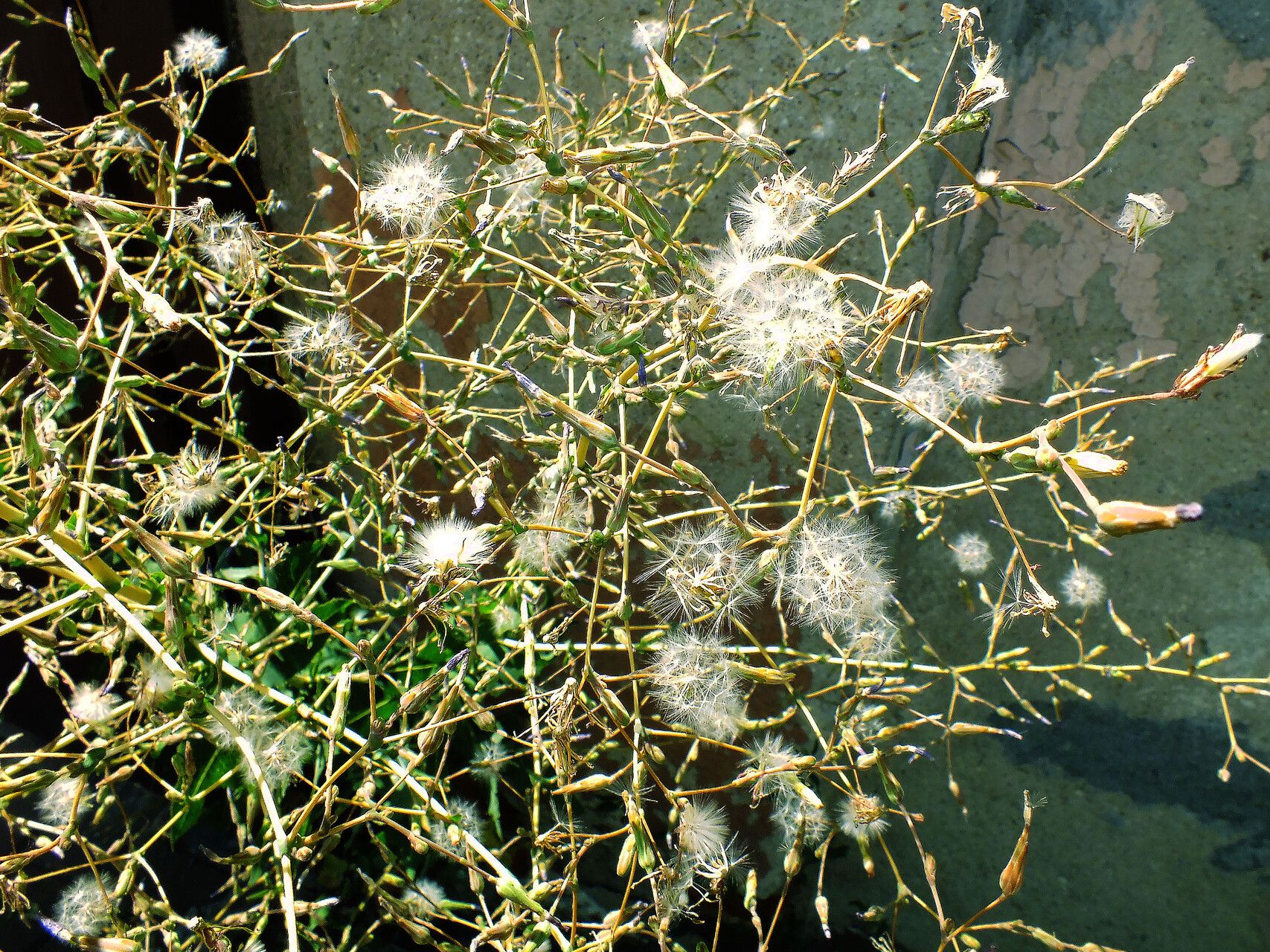
From Garden Invader to Green Thumb’s Delight: Propagating the Wild Lettuce (Lactuca serriola)
Have you ever noticed a tall, prickly plant with bright yellow flowers growing in your garden? Chances are, you’ve encountered the wild lettuce, also known as Lactuca serriola. Often considered a weed, this plant can be a surprisingly rewarding addition to your garden if you know how to manage it. While it can spread aggressively, wild lettuce is actually quite easy to propagate, making it an excellent choice for starting your own wildflower patch or experimenting with edible greens.
Two Main Methods:
There are two primary ways to propagate wild lettuce:
- Seeds: Wild lettuce produces a copious amount of seeds, which are easily dispersed by the wind. To collect seeds, simply allow the flower heads to dry on the plant until they turn brown and fluffy. Then, carefully shake the seeds into a container.
- Root Cuttings: Wild lettuce has a deep taproot that can be easily divided. In spring or fall, dig up a mature plant and carefully separate the root into smaller pieces, ensuring each piece has at least one growing bud. Plant the cuttings in a well-drained soil and keep them moist.
Tips for Successful Propagation:
- Timing is Everything: The best time to collect seeds is late summer or early fall, after the seeds have matured. For root cuttings, spring or fall is ideal.
- Location, Location, Location: Wild lettuce prefers full sun and well-drained soil. It can tolerate a range of soil types, but it thrives in sandy or loamy conditions.
- Avoid Overwatering: While wild lettuce needs consistent moisture, avoid overwatering as this can lead to root rot.
- Maintain Spacing: For successful propagation, space wild lettuce plants at least 1-2 feet apart to ensure adequate growth and air circulation.
Benefits of Growing Wild Lettuce:
- Easy to Grow: Wild lettuce is incredibly adaptable and can thrive in a variety of environments.
- Fast Growing: This plant reaches maturity quickly, providing a steady supply of fresh greens throughout the growing season.
- Edible Greens: The young leaves are edible and can be used in salads, soups, and other dishes. They have a slightly bitter and peppery flavor reminiscent of lettuce.
- Attracts Pollinators: Wild lettuce’s bright yellow flowers are highly attractive to bees, butterflies, and other beneficial insects.
Considerations:
- Invasive Potential: Wild lettuce can be aggressive in the garden, so it’s important to monitor its spread. You can control its growth by regularly thinning seedlings or deadheading spent flower heads.
- Potential for Allergies: Some people may experience allergic reactions to wild lettuce, especially those with ragweed allergies.
Beyond the Garden:
Wild lettuce has a long history of medicinal uses. While more research is needed, its latex sap has been traditionally applied to treat skin ailments. It’s important to note that any medicinal use should be discussed with a healthcare professional.
Embrace the Wild:
While it may be considered a weed by some, wild lettuce is a resilient and rewarding plant. By understanding its propagation methods and growing requirements, you can transform this “invader” into a valuable asset for your garden, attracting wildlife and providing you with a source of edible greens. So, the next time you encounter wild lettuce, don’t just pull it out; consider giving it a chance to thrive and enjoy the wild beauty it brings to your landscape.