
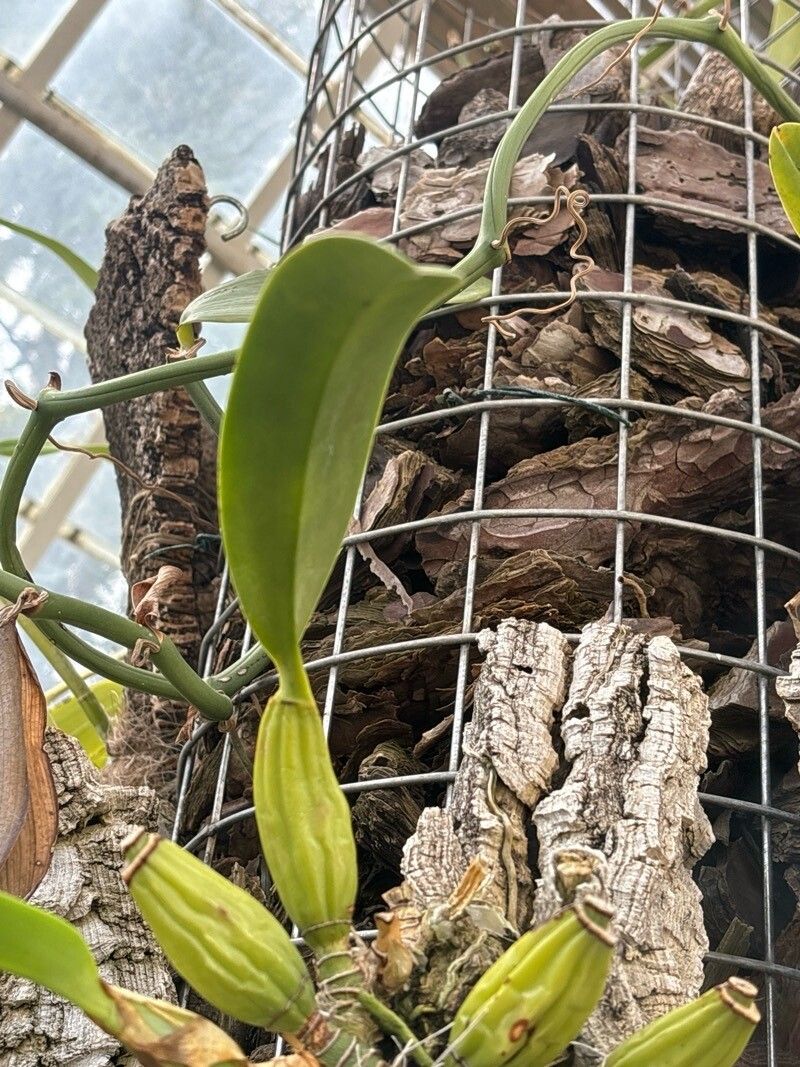
Propagating Laelia splendida: A Guide for Orchid Enthusiasts
Introduction:
Laelia splendida, often called the “Splendid Laelia,” is a captivating epiphytic orchid native to Mexico. Its stunning, vibrant flowers, characterized by rich purple hues and a distinctly velvety texture, make it a highly sought-after species among orchid aficionados. The relatively compact size of L. splendida compared to some other Laelia species adds to its appeal for home cultivation. However, propagating this beauty presents unique challenges, making successful propagation a rewarding feat for experienced growers. Due to its specific requirements, large-scale propagation remains difficult, contributing to the plant’s relative rarity and desirability.
Seed Germination:
Currently, there are no known reliable methods for seed germination propagation of Laelia splendida. Orchid seeds are notoriously minute and lack endosperm (food reserves), requiring a symbiotic relationship with specific mycorrhizal fungi for successful germination. Establishing this symbiotic relationship in a controlled environment is extremely challenging and has not been successfully achieved for L. splendida to date.
Cuttings:
Cuttings are not a viable method for propagating Laelia splendida. Unlike some other plants, orchids generally cannot regenerate from stem or leaf cuttings.
Division:
Division is the most practical method for propagating Laelia splendida. This involves carefully separating mature plants that have developed multiple pseudobulbs into smaller divisions, each containing several pseudobulbs and healthy roots.
Challenges: Division requires a mature plant with sufficient pseudobulbs and roots. Improper division can severely damage or kill the parent plant and the resulting divisions. The success rate depends on careful handling and proper post-division care.
Practical Tips: Divide only when the plant is actively growing (usually spring or early summer). Use a sharp, sterilized knife or shears to avoid crushing the pseudobulbs. Ensure each division has a substantial root system and several healthy pseudobulbs. Plant each division in a well-draining potting mix suitable for orchids. Avoid overwatering initially.
Rewards: Division provides a relatively straightforward method for increasing the number of L. splendida plants. It avoids the complexities of seed germination or tissue culture, offering a quicker route to propagation.
Tissue Culture:
Tissue culture offers a potential, albeit complex, method for propagating Laelia splendida. This laboratory-based technique involves growing the plant from small tissue samples in a sterile, nutrient-rich medium.
Challenges: Tissue culture requires specialized equipment, a sterile laboratory environment, and a high degree of technical skill. Developing the correct culture medium for successful L. splendida propagation might require extensive experimentation. Contamination is a significant risk, potentially ruining entire batches.
Practical Tips: Tissue culture should be undertaken only by individuals with appropriate training and facilities. Protocols are often species-specific and may require fine-tuning for optimal results.
Rewards: Tissue culture allows for large-scale propagation, offering a valuable tool for conservation efforts and commercial production. It enables the propagation of even genetically identical plants, preserving desirable traits.
Conclusion:
Propagating Laelia splendida presents several challenges. While seed germination is currently not feasible, division offers a relatively practical approach for experienced growers. Tissue culture holds potential for large-scale propagation but demands significant expertise and resources. The inherent difficulties in propagation, however, contribute substantially to the satisfaction derived from successfully nurturing and multiplying this exquisite orchid. The sight of a newly divided Laelia splendida thriving, or a flask of healthy tissue culture plants developing, is a testament to patience, skill, and a deep appreciation for this remarkable species. For aspiring propagators, I recommend focusing on mastering the art of division first, gradually progressing to tissue culture if the resources and expertise are available. The journey may be demanding, but the rewards of successfully propagating Laelia splendida are immeasurable.