
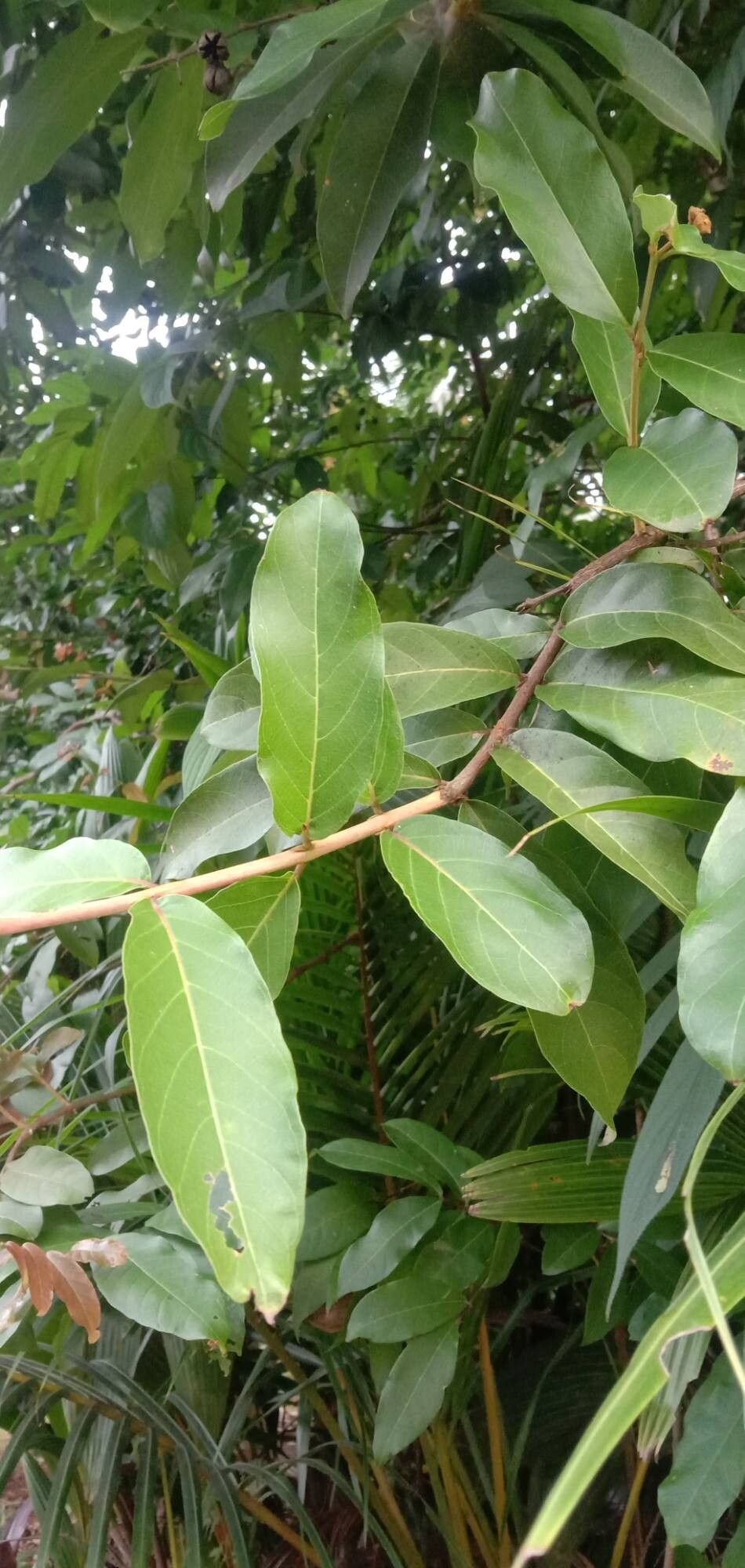
Unleashing the Beauty of Crape Myrtle: A Guide to Propagating Lagerstroemia Speciosa
Crape myrtles, with their vibrant blooms and graceful branches, are a sight to behold. These beauties, scientifically known as Lagerstroemia speciosa, grace landscapes with their colorful presence throughout the warmer months. But did you know that you can easily multiply your crape myrtle collection? Propagating these stunning trees is a rewarding endeavor, allowing you to share their beauty with friends and family or simply expand your own garden oasis.
Let’s explore the different methods to propagate Lagerstroemia speciosa:
1. Seed Propagation: A Journey of Patience
While possible, propagating crape myrtles from seed takes time and dedication. Here’s how you can give it a try:
- Collect mature seed capsules in fall: Look for brown, dried seed capsules on your crape myrtle.
- Extract and dry the seeds: Open the capsules and carefully remove the tiny, black seeds. Allow them to air dry for a few days.
- Cold Stratification (optional): While not mandatory, cold stratification can improve germination rates. Store the dry seeds in a sealed bag with slightly damp vermiculite in your refrigerator for 4-6 weeks.
- Planting Time: Sow the seeds in a well-draining seed starting mix, just pressing them lightly into the surface. Mist gently and keep them in a warm, bright location.
- Be Patient: Germination can take anywhere from a few weeks to a few months. Be sure to keep the soil consistently moist but not waterlogged.
2. Cuttings: The Faster Route to Success
Taking cuttings is the most popular and efficient method for propagating Lagerstroemia speciosa. This technique involves taking a portion of a healthy stem and encouraging it to develop roots. Here’s a step-by-step guide:
- Timing is Key: Take hardwood cuttings in late fall or early winter when the plant is dormant, or softwood cuttings in late spring or early summer from new growth.
- Select Healthy Shoots: Choose vigorous, disease-free stems for your cuttings. Hardwood cuttings should be 6-8 inches long, while softwood cuttings can be 4-6 inches.
- Prepare the Cuttings: Remove leaves from the bottom third of each cutting. For hardwood cuttings, make a small wound at the base of the stem to expose the cambium layer.
- Encourage Rooting: Dip the cut ends in rooting hormone powder to stimulate root development.
- Potting and Care: Plant the cuttings in a well-draining potting mix, ensuring the bottom node is buried. Water thoroughly and cover the pot with a plastic bag or place it in a humidity dome to create a greenhouse-like environment.
- Patience is Still Needed: It may take several weeks for the cuttings to root. Once rooted, you can transplant them into individual pots or directly into your garden.
Tips for Success:
- Use sharp, sterile tools to prevent disease transmission.
- Choose a well-draining potting mix specifically formulated for cuttings.
- Provide bright, indirect light for your cuttings.
- Water only when the soil feels dry to the touch.
- Be patient! Propagation takes time and not all cuttings will be successful.
Enjoy the Journey!
Propagating your own Lagerstroemia speciosa is an incredibly rewarding experience. Whether you choose the patient path of seed propagation or the faster route of cuttings, you’ll be contributing to the growth of these vibrant trees and sharing their beauty for years to come.