
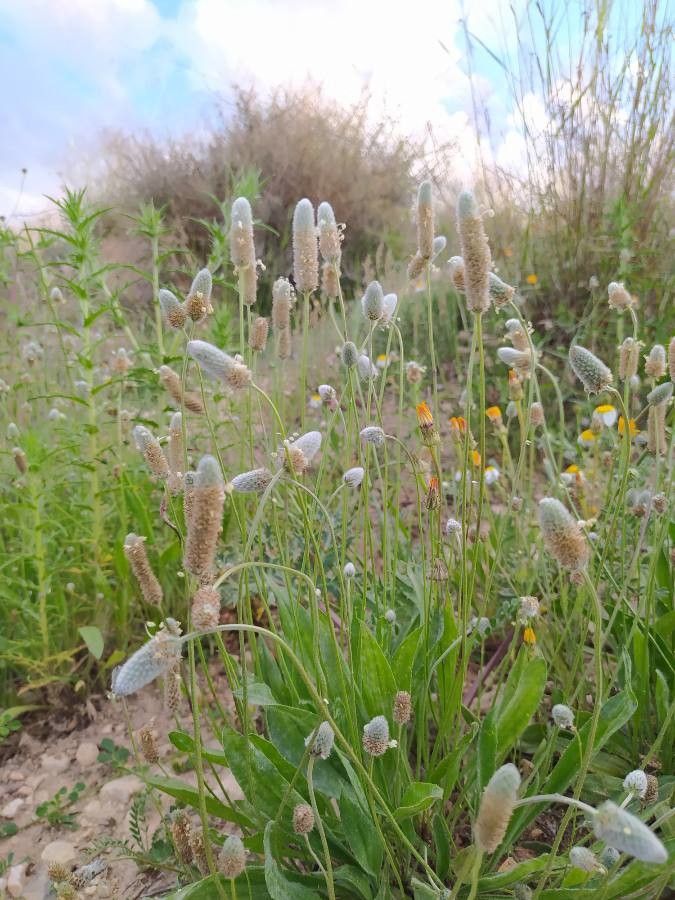
Unleash Your Inner Child: Growing Bunny Tails (Lagurus Ovatus) From Seed
If you’re looking to add a touch of whimsical charm to your garden or floral arrangements, look no further than Lagurus ovatus, more affectionately known as Bunny Tails. This delightful ornamental grass, with its soft, fuzzy seed heads resembling, you guessed it, bunny tails, is a guaranteed head-turner. While readily available as established plants in nurseries, there’s something truly rewarding about propagating Bunny Tails from seed. And the best part? It’s surprisingly easy!
Sowing the Seeds of Success
The journey begins with acquiring your Bunny Tail seeds. You can find these fluffy wonders at most garden centers or online retailers. Once you’ve got your hands on them, you’ll need to decide between two methods:
1. Direct Sowing (Springtime Fun): For those blessed with mild winters and early springs, direct sowing is a great option. Once the threat of frost has passed and the soil is workable, simply sprinkle the seeds directly onto the prepared soil. Cover them lightly with a thin layer of soil, about ¼ inch deep, and water gently.
2. Indoor Sowing (Early Birds Get the Blooms): If you’re eager for a head start or live in a colder climate, indoor sowing is the way to go. Start the seeds indoors 6-8 weeks before the last expected frost. Use a well-draining seed starting mix and sow the seeds at the same depth as you would outdoors. Place the trays in a warm, sunny location and keep the soil consistently moist but not soggy.
Nurturing Your Fuzzy Friends
Bunny Tails are low-maintenance plants, but a little TLC goes a long way in ensuring their success:
- Sunlight: These sun-worshippers thrive in full sun, meaning at least 6 hours of direct sunlight per day.
- Water: While they can tolerate short periods of drought once established, regular watering is crucial, especially during the first year. Water deeply when the soil is dry to the touch, but avoid overwatering, which can lead to root rot.
- Soil: Well-draining soil is essential for healthy Bunny Tails. Amend heavy clay soil with compost or other organic matter to improve drainage.
- Fertilizer: While not strictly necessary, a light application of balanced fertilizer in the spring can encourage vigorous growth.
Transplanting Time
Whether you started your seeds indoors or directly in the garden, it’s time to transplant when they reach about 4 inches tall. Space them roughly 12 inches apart to allow for proper air circulation, which helps prevent fungal diseases.
Enjoying the Fruits (Or Should We Say, Tails?) Of Your Labor
By mid to late summer, your Bunny Tails will reward you with their charming, fluffy seed heads. These whimsical plumes are incredibly versatile and perfect for adding a touch of whimsy to fresh or dried flower arrangements.
Bonus Tip: To preserve the fluffy texture of the seed heads for dried arrangements, harvest them before they fully mature. Simply hang them upside down in a cool, dry, and well-ventilated area.
Growing Bunny Tails from seed is a fun and rewarding experience for gardeners of all levels. So why not unleash your inner child and add a touch of playful charm to your garden with these delightful, fuzzy friends?