
From Seed to Sapling: Unveiling the Secrets of Landolphia membranacea Propagation
Landolphia membranacea, also known as the rubber vine, is a captivating climber renowned for its unique rubber-producing properties. While its commercial use for rubber production is limited, its aesthetic appeal and fascinating growth habits have made it a popular choice for gardens and conservatories. If you’re eager to nurture your own Landolphia membranacea, understanding how to propagate it is key to success.
The Power of Seeds:
The most common and rewarding method of propagation for this tropical beauty is through seed germination.
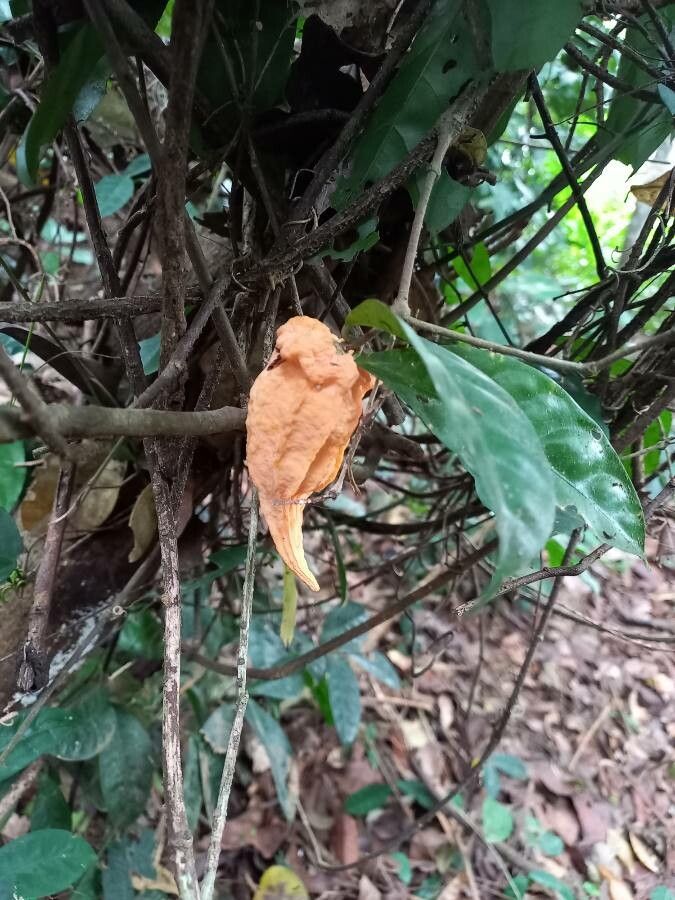
Seed Collection: Gather mature fruits from your Landolphia membranacea plant. They’re typically pear-shaped and turn a vibrant red when ripened. Once harvested, gently squeeze the fruit to extract the seeds.
Seed Preparation: Before sowing, it’s essential to break dormancy. You can achieve this by soaking the seeds in warm water for 24 hours or scarifying them lightly with sandpaper. This process weakens the seed coat, allowing moisture and oxygen to penetrate and initiate germination.
Sowing Time: Landolphia membranacea prefers warm temperatures. Sow the seeds in spring or early summer when the soil is consistently warm.
The Right Mix: Use a well-draining seed starting mix. A blend of peat moss, perlite, and vermiculite is ideal. Ensure the mix is slightly acidic with a pH range of 6.0 to 6.5.
Sowing Depth and Spacing: Plant the seeds 1/4 inch deep and space them 2-3 inches apart. Water gently after planting and maintain consistent moisture levels.
- Germination and Care: Keep the seeds in a warm, humid environment. Place them in indirect light, avoid direct sunlight, and maintain a temperature around 75°F (24°C). Germination can take anywhere from 2 to 4 weeks. Once seedlings emerge, provide adequate light and gradually acclimate them to stronger sunlight.
Beyond Seeds: Exploring Alternative Methods:
While seed propagation is popular, Landolphia membranacea can also be propagated through cuttings.
Cuttings: Select a healthy, non-flowering stem with at least 3-4 nodes (where leaves grow). Use a sharp, clean tool to make a clean cut just below a node.
Preparation: Dip the cut end in rooting hormone to encourage root growth. This step is optional but highly recommended.
Potting: Plant the cutting in a pot filled with a mix of peat moss and perlite. Ensure the lower nodes are buried.
- Care and Environmental Factors: Maintain a consistently moist and humid environment, and place the cutting in indirect sunlight. You can cover the pot with a plastic dome to increase humidity. Root development typically takes a few weeks.
A Journey to Success:
Propagation, regardless of the method chosen, requires patience and attentiveness. However, the satisfaction of nurturing your own Landolphia membranacea from seed or cutting is well worth the effort. Remember to provide adequate light, moisture, warmth, and a well-draining soil mix – these are essential for thriving growth. And with a little tender love and care, you’ll soon witness the captivating beauty of Landolphia membranacea unfurl its vibrant leaves and elegant stems, adding a touch of tropical enchantment to your space.