
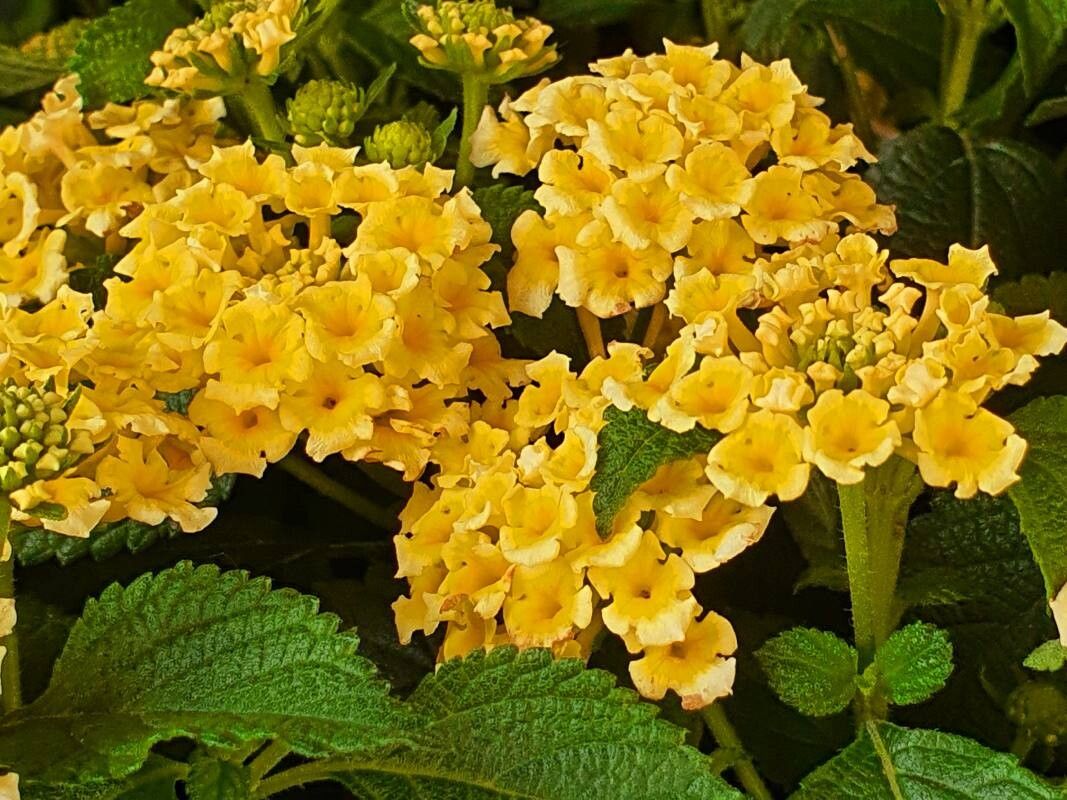
Unleashing the Power of Cuttings: How to Easily Propagate Lantana canescens
Lantana canescens, with its delicate white blooms and delightful citrus fragrance, can bring a touch of wild charm to any garden. Unlike its more common colorful cousin, Lantana camara, this species boasts a more compact and less aggressive growth habit, making it perfect for containers and smaller gardens. If you’re lucky enough to have this beauty gracing your space, you might be wondering how to get more of it without breaking the bank. Enter: propagation!
This might sound intimidating, but fear not! Propagating Lantana canescens from cuttings is surprisingly easy and rewarding. Let’s delve into the simple steps to multiply your floral bounty:
1. Timing is Key: The ideal time to take cuttings is during the active growing season, from spring to early fall. This is when the plant has the most energy to direct towards root development.
2. Gather Your Supplies: You won’t need a fancy propagation station for this! All you need are:
- Sharp, clean pruning shears or a knife: This ensures a clean cut and minimizes the risk of disease transmission.
- Small pots or seed trays: Choose containers with good drainage.
- Well-draining potting mix: A soilless mix specifically formulated for cuttings is ideal, but a general-purpose potting mix will do.
- Rooting hormone (optional): While not essential, rooting hormone can speed up the process.
3. Selecting and Taking Cuttings:
- Look for healthy, non-flowering stems that are about 4-6 inches long.
- Make a clean cut just below a leaf node (the point where a leaf emerges from the stem).
- Remove the leaves from the bottom inch or two of the cutting.
4. Preparing the Cuttings:
- If using rooting hormone, dip the cut end of each cutting into the powder or gel, following the product instructions.
- Make a small hole in the potting mix with your finger or a pencil.
- Gently insert the cutting into the hole, ensuring the bottom nodes are buried.
5. Creating a Humid Environment:
- Water the cuttings thoroughly and cover the pot with a clear plastic bag or a humidity dome.
- This helps to maintain moisture and mimic the humid conditions that promote root development.
6. Patience is a Virtue:
- Place the cuttings in a warm, bright location but out of direct sunlight.
- Avoid overwatering, as soggy soil can lead to rot. Check the moisture level by sticking your finger an inch into the soil. Water only when it feels dry.
- Roots should start to develop within a few weeks. You can gently tug on a cutting to check for resistance, which indicates root formation.
7. Transplanting:
- Once the cuttings have developed a strong root system (usually after 4-6 weeks), they can be transplanted into individual pots or directly into the garden.
- Gradually acclimate them to their new environment by slowly introducing them to more sunlight over a week or two.
Voila! You’ve successfully propagated your very own Lantana canescens plants. Now you can enjoy the delicate beauty and sweet fragrance of these enchanting flowers in abundance, all while impressing your fellow gardeners with your propagation prowess. Happy planting!