
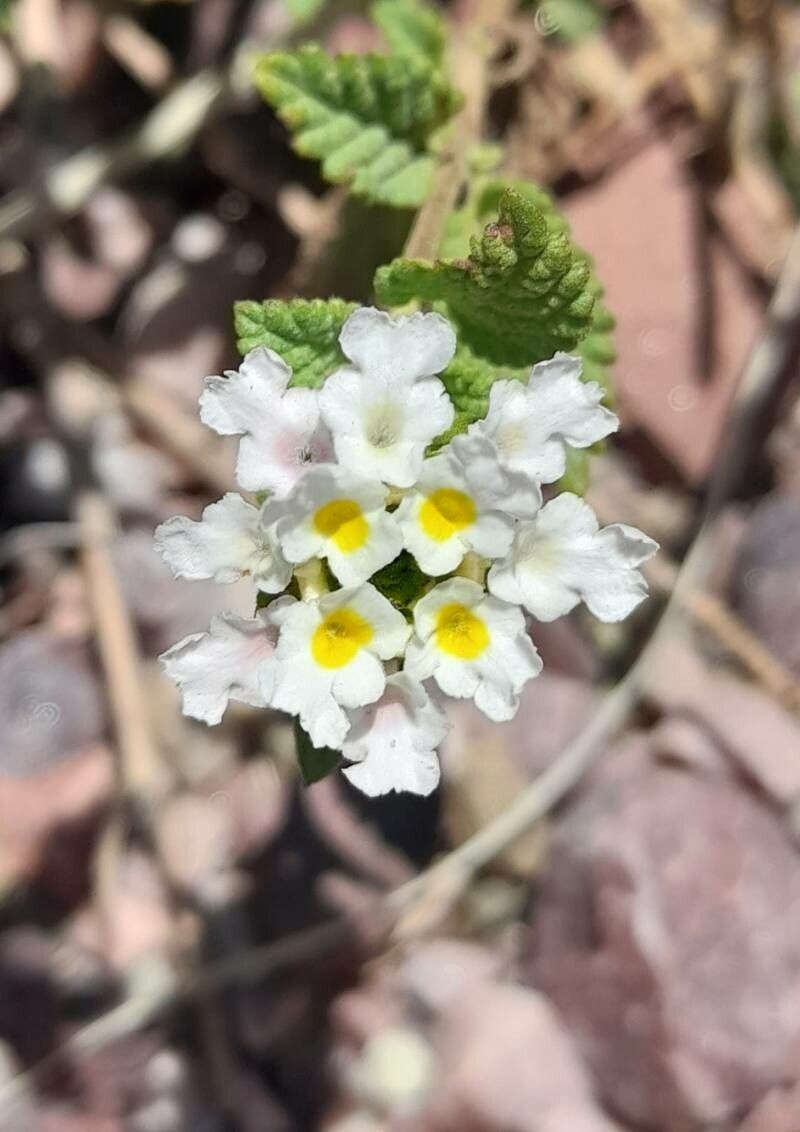
Unveiling the Secrets of Propagation: Multiplying Your Lantana tilcarensis
Lantana tilcarensis, with its vibrant clusters of tiny blossoms and feathery foliage, is a sight to behold. This South American native, boasting an extended blooming season and alluring butterflies, deserves a prime spot in any garden. And what better way to celebrate its beauty than by multiplying your collection through propagation? Don’t worry, it’s easier than you think!
Unlike some fussy plant varieties, Lantana tilcarensis offers two straightforward methods for propagation: cuttings and seeds. Each technique comes with its own set of advantages, allowing you to choose the one that suits your gardening style best.
1. The Cutting Edge: Propagating with Stem Cuttings
For those eager to witness faster results, propagating Lantana tilcarensis through stem cuttings is the way to go. This method, utilizing the plant’s own ability to generate roots from stems, guarantees you a replica of the parent plant, preserving its desired traits.
Here’s your step-by-step guide:
- Timing is Key: Spring or early summer, when the plant is actively growing, offers the ideal conditions for successful rooting.
- Choose Wisely: Select a healthy, non-flowering stem that’s about 4-6 inches long.
- Make a Clean Cut: Using a sharp, sterilized knife or pruning shears, make a cut just below a leaf node (the point where leaves emerge).
- Prepare the Cutting: Remove the leaves from the lower two-thirds of the stem to prevent rotting. You can dip the cut end in rooting hormone powder for an extra boost.
- Potting Mix Perfection: Fill a small pot with a well-draining potting mix.
- Plant and Protect: Plant the cutting into the mix, burying the leaf nodes. Water gently and cover the pot with a plastic bag or a humidity dome to maintain moisture.
- Patience is a Virtue: Place the pot in a bright, indirectly lit location and keep the soil consistently moist.
- Celebrate New Beginnings: In about 4-6 weeks, you should see new growth, signifying successful rooting. You can then transplant your rooted cutting into a larger pot or your garden.
2. Seeding Success: Starting from Scratch
While slightly more time-consuming, propagating Lantana tilcarensis from seeds offers a unique opportunity to potentially witness variations in flower color and form.
Here’s a breakdown of the process:
- Source your Seeds: Collect ripe, black seeds from existing plants or purchase them from a reputable supplier.
- Pre-treat for Success: Lightly scarify the seeds by rubbing them gently with sandpaper. This will help break their dormancy and encourage faster germination.
- Sow with Care: Sow the seeds in seed trays filled with a seed-starting mix, barely covering them.
- Warmth and Moisture: Place the tray in a warm, bright location and keep the soil consistently moist.
- Germination Celebration: Be patient, as Lantana seeds can take 2-4 weeks to germinate.
- Transplanting Time: Once the seedlings develop a few sets of true leaves, transplant them into individual pots or your garden bed.
No matter which method you choose, propagating your Lantana tilcarensis is a rewarding experience. The joy of witnessing new life sprout from a cutting or a tiny seed, eventually blooming into those mesmerizing floral clusters, is truly something special. So why wait? Embrace the magic of propagation and fill your garden with these vibrant beauties today!