
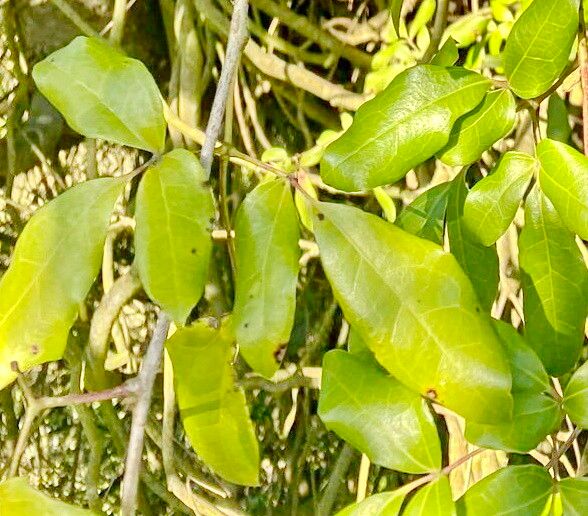
Unlocking the Secrets of the Chilean Bellflower: A Guide to Propagating Lardizabala funaria
The Chilean Bellflower, scientifically known as Lardizabala funaria, is a climbing vine prized for its vigorous growth and unique, chocolate-scented, purplish flowers. Native to the cool, shaded forests of Chile, this stunning climber can transform gardens into enchanting green havens. While readily available in nurseries, propagating your own Lardizabala funaria is a rewarding experience, allowing you to expand your garden and share this botanical treasure with others.
This guide explores the two most effective methods for propagating Lardizabala funaria:
1. Seed Propagation:
- Seed Collection:
- Allow the sausage-shaped fruits to fully ripen on the vine. When ripe, they’ll have a slightly soft texture.
- Extract the seeds, which are embedded in a sweet pulp. Wash the pulp away thoroughly to prevent fungal growth during sowing.
- Sowing:
- Sow the seeds in a well-draining seed starting mix, covering them lightly with soil.
- Maintain consistent moisture and a temperature of around 65-70°F (18-21°C).
- Germination can be slow, sometimes taking several months, so patience is key.
- Seedling Care:
- Once germinated, provide bright, indirect light.
- Water regularly, allowing the soil to dry slightly between waterings.
- When seedlings are large enough to handle, transplant them into individual pots.
2. Propagation from Cuttings:
- Timing is Key:
- The optimal time for taking cuttings is late spring or early summer when the plant is actively growing.
- Selecting the Cutting:
- Choose a healthy, non-flowering stem. Cuttings should ideally be about 4-6 inches long (10-15 cm) and have at least two sets of leaves.
- Preparing the Cutting:
- Remove the leaves from the lower portion of the cutting.
- Apply rooting hormone (optional but recommended) to the cut end of the stem to encourage root development.
- Planting the Cutting:
- Insert the treated end of the cutting into a pot filled with a well-draining potting mix, ensuring the leaf nodes are buried.
- Water thoroughly and enclose the pot in a clear plastic bag to create a humid environment.
- Care and Rooting:
- Place the pot in a warm location with bright, indirect light.
- Mist the cutting regularly to maintain high humidity levels.
- Rooting usually occurs within 4-6 weeks. You can test for rooting by gently tugging on the cutting; resistance indicates root development.
Transplanting Your Lardizabala funaria:
Once your seedlings or cuttings have developed a robust root system and are large enough to handle, transplant them into larger pots or directly into the ground. Choose a location with well-drained soil, partial shade, and a sturdy structure for support.
Propagating Lardizabala funaria is an enriching endeavor that demands patience and care. But the reward of watching a new plant thrive from a seed or cutting makes the journey entirely worthwhile. So, roll up your sleeves, get your hands a little dirty, and embark on this rewarding horticultural adventure.