
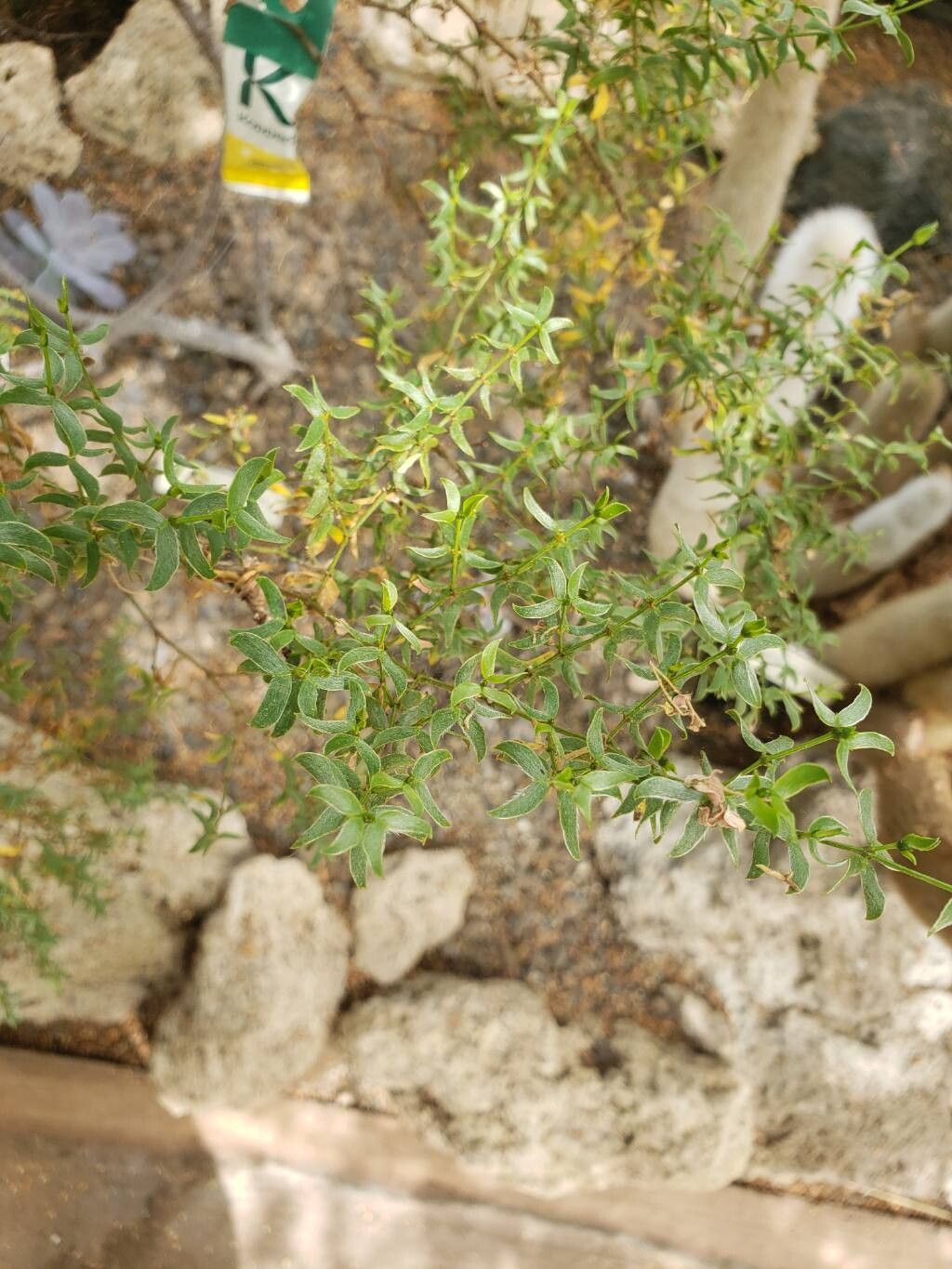
Taming the Tenacious Creosote: A Guide to Propagating Larrea tridentata
The resilient creosote bush (Larrea tridentata), a familiar sight in the arid landscapes of the American Southwest, is a testament to nature’s ability to thrive in harsh conditions. Known for its distinct, resinous aroma and remarkable drought tolerance, this iconic desert shrub has captivated the interest of botanists and nature enthusiasts alike. While its ability to spread and colonize vast areas is well documented, fewer people know about the intriguing methods of propagating creosote bushes intentionally.
Propagating creosote can be a rewarding experience with its own unique challenges. Whether you’re a seasoned gardener or a curious beginner, understanding the methods of propagation can provide valuable insights into this fascinating plant’s life cycle.
Two Roads to Propagation:
Creosote utilizes two primary methods of reproduction and propagation:
Seed Propagation: In the wild, creosote relies heavily on seed dispersal. Following rainfall, small, fuzzy seeds are produced within distinctive capsules. These capsules explode upon maturity, scattering seeds across the landscape. While seeds offer a way to grow creosote, success rates can be relatively low due to the seeds’ unpredictable germination rates and susceptibility to fungal attacks.
- Vegetative Propagation: Creosote has a clever trick up its sleeve – it can clone itself! This process, known as vegetative propagation, occurs when underground stems, or rhizomes, sprout new plants. Clonal colonies, often forming characteristic rings, are a testament to this efficient method of expansion.
Trying Your Hand at Propagation:
If you’re feeling adventurous and want to introduce this hardy plant into your landscape, here’s a step-by-step guide to increase your chances of success:
1. Seed Collection and Preparation:
- Collect mature seed capsules in late spring or early summer when they turn brown.
- Gently open the capsules to extract the seeds.
- Scarify the seeds by lightly rubbing them between sandpaper to improve germination rates.
2. Sowing the Seeds:
- Use a well-draining potting mix, preferably one designed for cacti and succulents.
- Sow the seeds shallowly, about ¼ inch deep.
- Mist the soil regularly, keeping it consistently moist but not waterlogged.
3. Vegetative Propagation:
- Carefully extract a small section of rhizome from an established creosote bush during the dormant season.
- Plant the rhizome in a pot or directly into the ground, ensuring the buds are facing upwards.
- Water sparingly, allowing the soil to dry out between waterings.
Patience and Persistence are Key:
Remember, propagating creosote, especially from seeds, demands patience. Germination can be erratic and may take several weeks or even months. However, with persistence and proper care, you can witness the emergence of these desert survivors in your own backyard.
A Word of Caution:
While creosote possesses numerous ethnobotanical uses, it’s essential to handle it with care. The leaves contain potent chemicals that can irritate the skin and eyes. Always wear gloves and protective clothing while handling any part of the plant.
Propagating creosote is more than just gardening; it’s a journey into understanding the resilience and adaptability of nature. By learning the techniques of propagation, we gain a deeper appreciation for this iconic desert dweller and its remarkable ability to thrive against all odds.