
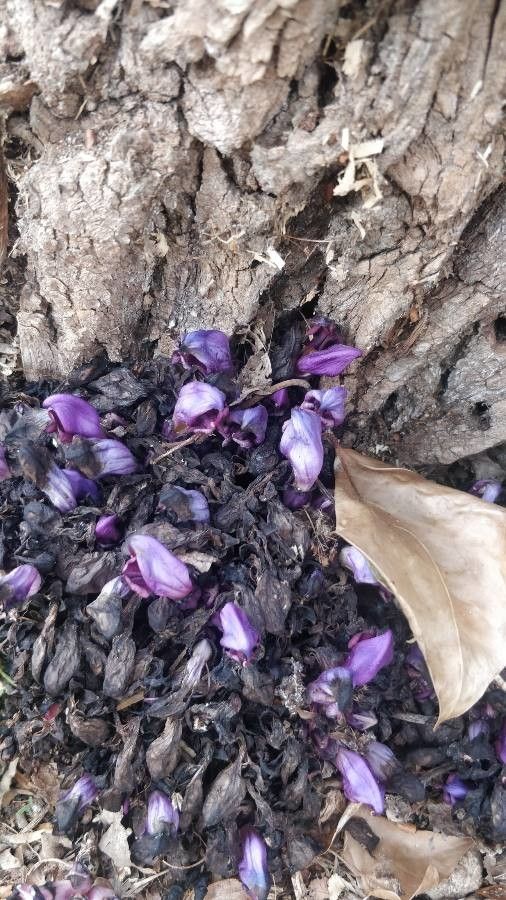
The Secret Life of the Toothwort: How to Propagate a Plant That Eschews the Sun
The Lathraea clandestina, more commonly known as the Toothwort, is a plant shrouded in mystery. It’s a fascinating yet elusive species, boasting a life cycle unlike any other. This intriguing plant thrives in the shadows, hidden beneath the leafy canopy of woodlands, and even more remarkably, it lacks chlorophyll, the very pigment that enables most plants to photosynthesize and generate energy from sunlight. So how does it survive? By tapping into the life force of its host, the tree roots!
The Toothwort is a parasitic plant, relying on the surrounding trees for nourishment. It establishes itself through a unique method of propagation:
1. Seed Dispersal and Germination: The Toothwort’s tiny seeds are dispersed by ants, attracted to a fleshy appendage called an elaiosome. These seeds, once scattered, germinate in the presence of suitable host roots, often those of hazel, elm, or willow trees.
2. Root Connection: The germinating seeds produce a root-like structure called a haustorium, which finds its way into the host tree’s root system. This connection forms a parasitic bridge, allowing the Toothwort to steal water and nutrients meant for the tree.
3. Underground Expansion: The Toothwort, now anchored to its host, thrives in the darkness, spreading its stems and roots underground. This underground network serves as its primary form of reproduction, creating new plants that attach to nearby host roots.
4. Flowering Awakenings: In early spring, the Toothwort springs a surprise. Its flower stalks rise from the ground, reaching towards the sunlight, bearing clusters of cream-colored, strangely alluring flowers. These flowers attract pollinating insects, ensuring the future generations of Toothwort seeds.
Propagation at Home:
While the Toothwort prefers the wild, it can be propagated by a careful hand. Here’s how:
- Seed Collection: The best time to collect Toothwort seeds is after the plant has finished flowering. Look for the small, brown seed capsules near the base of the flower stalks.
- Sowing: Sow seeds directly into a pot of well-drained, moist soil. Maintain high humidity and warmth for successful germination.
- Host Root Required: You’ll need to provide the Toothwort with a suitable host plant, such as hazel, elm, or willow. Carefully integrate the young plant into its host’s root system.
- Shadowy Environment: Mimic the Toothwort’s natural habitat by providing a shady spot for the plant to grow and thrive.
Important Note: The Toothwort is a protected species in many areas. Make sure to check local regulations, and consider sourcing seeds ethically and sustainably.
Conservation Concerns:
While the Toothwort is a fascinating plant, it’s crucial to remember its parasitic nature. Without proper management, it can potentially weaken and stress its host trees. It’s essential to learn about and understand the symbiotic relationships that exist in nature, ensuring their preservation and well-being.
Conclusion:
The Toothwort is a testament to the marvel of nature. It’s a living reminder that life finds a way, even in the most unexpected places. By studying this intriguing plant, we gain a deeper appreciation for the delicate balance and interconnectedness of all living things. As we work to protect and preserve our natural world, understanding its secrets and fostering its diversity is essential for a thriving future.