
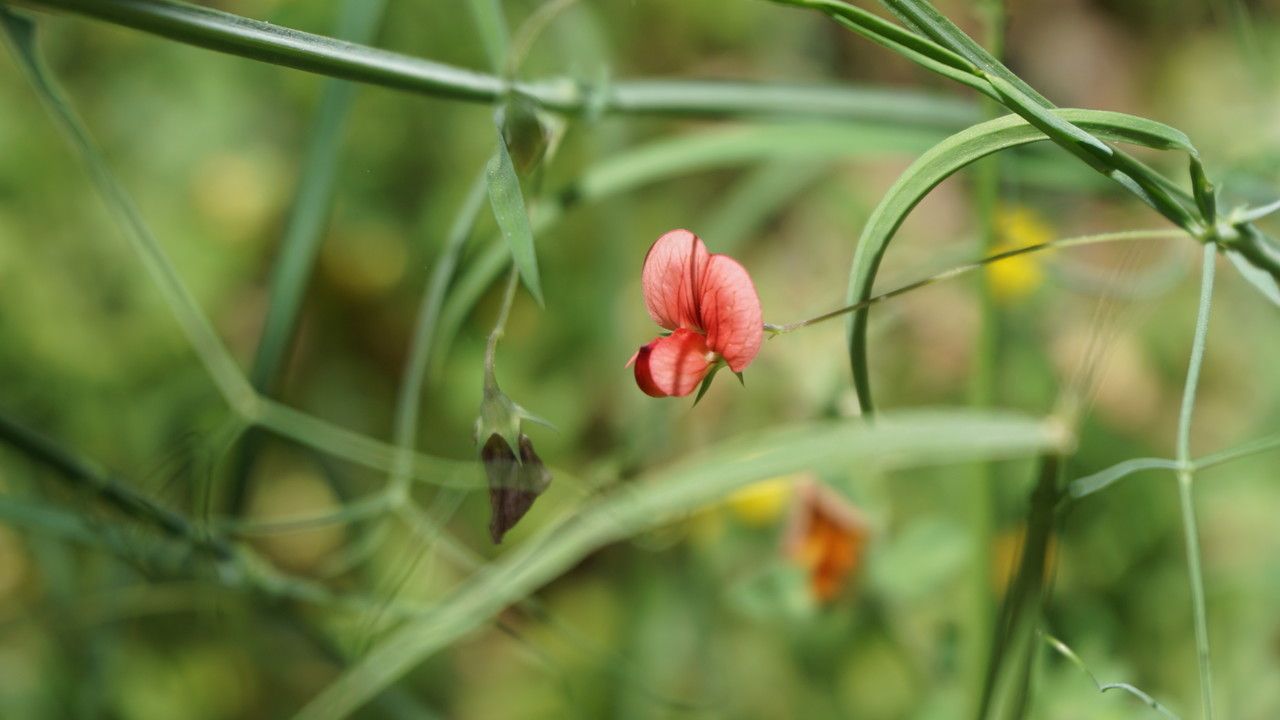
Propagating Lathyrus cicera: A Guide to Cultivating the Chickling Vetch
Introduction:
Lathyrus cicera, commonly known as chickling vetch, is a charming annual legume cherished for its delicate, pea-like flowers and its edible seeds. Its beautiful blooms, ranging from pale pink to deep purple, add a touch of elegance to gardens, particularly in cottage-style or wildflower settings. While not as widely cultivated as some other garden plants, its unique history and resilience have made it increasingly popular amongst gardeners seeking less common species. Propagation of chickling vetch, however, presents some unique challenges, requiring a comprehensive understanding of the plant’s life cycle and propagation techniques. This article explores the various methods available, assessing their viability and outlining the necessary steps for success.
Seed Germination:
Seed germination is a viable method for propagating Lathyrus cicera. However, it presents certain challenges. Chickling vetch seeds possess a hard seed coat which can inhibit water uptake and germination. This necessitates scarification, a process of weakening or breaking the seed coat. This can be achieved through several methods:
- Mechanical Scarification: Gently nicking the seed coat with a file or sandpaper. Be careful not to damage the embryo.
- Chemical Scarification: Soaking the seeds in concentrated sulfuric acid for a short period (this requires caution and expertise).
- Stratification: While not strictly necessary, cold stratification (several weeks of chilling at near-freezing temperatures) can improve germination rates.
Practical Tips: After scarification/stratification, sow seeds directly into well-draining soil outdoors after the last frost, or start them indoors 4-6 weeks before the last frost. Plant seeds about 1 inch deep and 2-3 inches apart. Maintain consistently moist soil until germination, which typically occurs within 1-3 weeks.
Rewards: Seed germination offers the greatest genetic diversity, allowing for a wider range of plant characteristics. It is also the most cost-effective and readily scalable method for large-scale propagation.
Cuttings:
Currently, there are no known reliable methods for propagating Lathyrus cicera from cuttings. This species primarily reproduces via seed.
Division:
Division is not applicable to Lathyrus cicera as it is an annual plant and doesn’t develop the rhizomatous or clonal structure necessary for division.
Tissue Culture:
Tissue culture techniques hold potential for propagating Lathyrus cicera, though this method is complex, expensive, and requires specialized laboratory equipment and expertise. While research on tissue culture propagation of legumes is extensive, specific protocols for Lathyrus cicera are currently limited. Successfully establishing a tissue culture protocol would require significant investment of time and resources.
Conclusion:
Propagating Lathyrus cicera presents unique challenges and rewards. While cuttings and division are not feasible options, seed germination provides a viable, albeit slightly demanding, path to successful cultivation. The rewards of nurturing these delicate plants from seed, however, are substantial: from the sheer satisfaction of witnessing germination to the enjoyment of a diverse array of plants, each with its unique character. The potential hurdles—scarification, optimal sowing conditions—are surpassed by the unique charm and the feeling of accomplishment that comes with successfully growing this fascinating plant. Aspiring propagators shouldn’t be discouraged; with a little patience and attention to detail, the delicate blooms of chickling vetch will reward their efforts with a beautiful display of colour and a fulfilling gardening experience.