
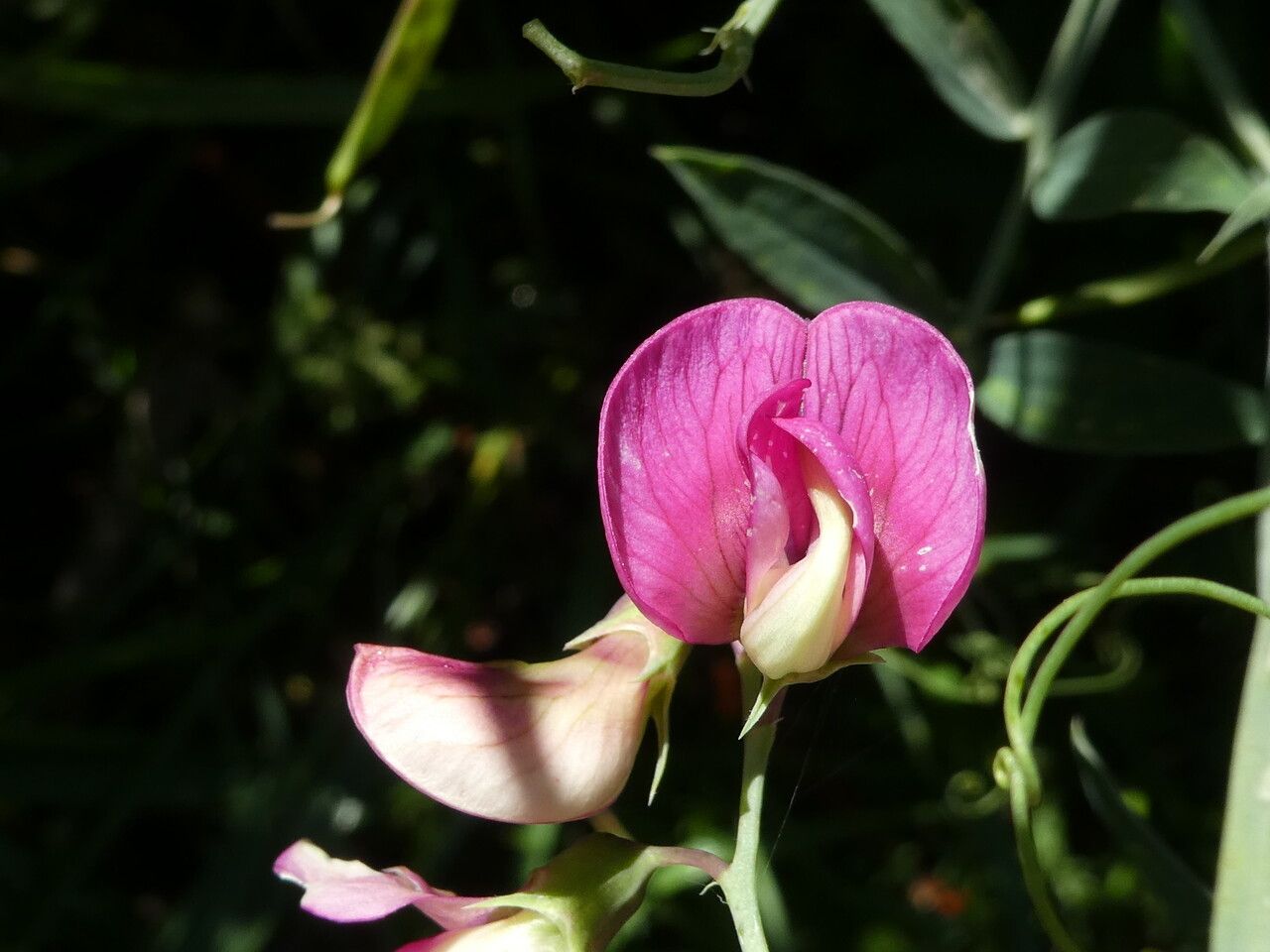
Untangling the Secrets of Red Pea Propagation: Grow Your Own Lathyrus cirrhosus
If you’re looking to add a touch of vibrant crimson to your garden, look no further than the enchanting Lathyrus cirrhosus, commonly known as the Red Pea. This charming climber, native to the Mediterranean, boasts delicate tendrils and beautiful, nodding flowers that resemble miniature sweet peas. While readily available at nurseries, propagating your own Lathyrus cirrhosus can be a rewarding experience for gardening enthusiasts of all levels.
Sowing the Seeds of Success:
Propagating Lathyrus cirrhosus from seed is the most common and arguably the most successful method. Begin by sourcing fresh seeds from a reputable supplier or by collecting them from your own plants.
Here’s what you need to do:
Scarification (optional): For a higher germination rate, consider gently nicking or sanding the tough outer layer of each seed with a nail file or sandpaper. This process, known as scarification, helps moisture penetrate the seed coat.
Pre-soaking: Soak the seeds in lukewarm water for 24 hours before sowing. This step further aids in softening the seed coat and encourages quicker germination.
Sowing: Fill small pots or seed trays with a well-draining seed starting mix. Sow the seeds about an inch deep and water them gently.
- Warmth and Patience: Keep the pots in a warm, bright location (around 65-75°F or 18-24°C) and maintain consistent moisture.
Germination typically takes two to three weeks. Once the seedlings emerge, continue to provide adequate light and moisture. Thin out weaker seedlings to give the strongest ones the best chance to thrive.
Taking Cuttings: Another Path to Propagation
While slightly less common, propagating Lathyrus cirrhosus from cuttings can also be successful, particularly with established plants.
Follow these steps:
Timing: Early summer is the optimal time to take cuttings, as the plant is actively growing.
Selection: Choose healthy, non-flowering stems that are about 4-6 inches long. Make a clean cut just below a leaf node (where the leaf joins the stem).
Preparation: Remove the lower leaves from the cutting, leaving only a couple of leaves at the top.
Hormone Treatment (optional): Dip the cut end of the stem in rooting hormone to encourage root development.
Planting: Insert the cuttings into a pot filled with a well-draining potting mix or a 50/50 mixture of perlite and peat moss.
- Humidity is Key: Maintain a humid environment around the cuttings by covering the pot with a plastic bag or placing it in a propagator.
It can take several weeks for roots to develop. Once the cuttings show new growth, you can gradually acclimate them to outdoor conditions before transplanting them to their final location.
Tips for Thriving Red Peas
Sunlight: Choose a sunny location for your Lathyrus cirrhosus. While they tolerate partial shade, they thrive in full sun, producing a more abundant display of blossoms.
Support System: Being natural climbers, your Red Peas will appreciate a support system like a trellis, fence, or obelisk.
Watering: Maintain regular watering, especially during dry spells. However, avoid overwatering, which can lead to root rot.
- Deadheading: Regularly remove spent flowers to encourage more blooming and prevent self-seeding, which can be prolific in some areas.
By following these propagation techniques and care tips, you’ll be well on your way to enjoying the cascading beauty of Lathyrus cirrhosus in your very own garden. This charming plant will bring a touch of Mediterranean magic and a splash of vibrant color, rewarding you for your efforts year after year.