
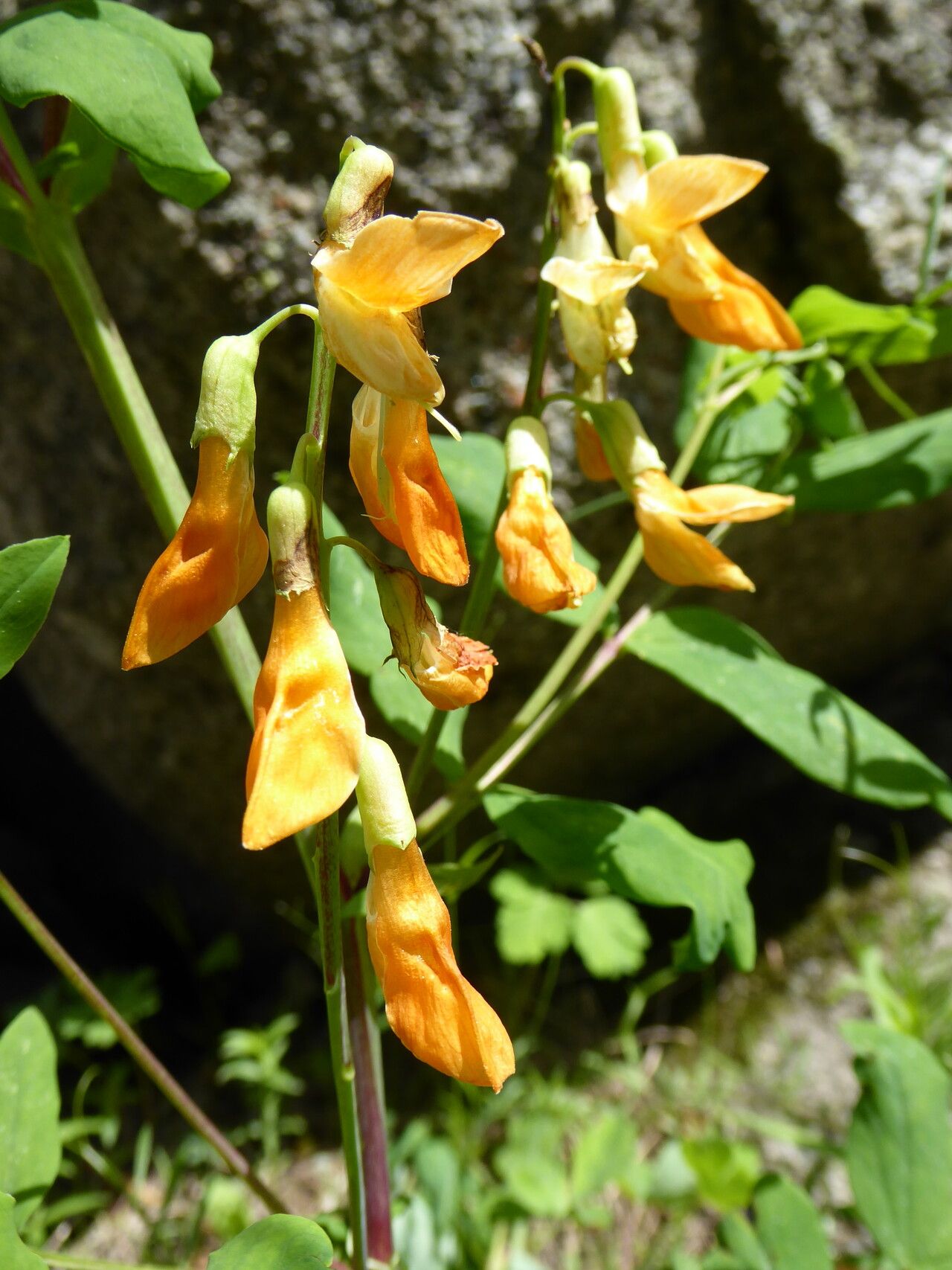
Unlocking the Beauty of Lathyrus gmelinii: A Guide to Successful Propagation
Lathyrus gmelinii, also known as the Siberian Pea, is a captivating wildflower boasting vibrant purple blooms and delicate foliage. This hardy perennial not only adds a splash of color to gardens but also attracts pollinators and adds a touch of wild beauty.
But what if you want to share this beauty with friends or create a whole patch of these captivating plants? That’s where propagation comes in! This comprehensive guide will walk you through the different methods for multiplying your Lathyrus gmelinii plants, empowering you to cultivate a vibrant garden full of Siberian Pea.
Seeds: A Bountiful Start
Lathyrus gmelinii readily reproduces through seeds. The process is quite straightforward:
- Collect the Seeds: Once the flower fades, pods will develop containing the seeds. Allow the pods to fully mature and dry on the plant until they become brown and rattle in the breeze.
- Prepare the Seeds: Carefully remove the seeds from the dried pods and store them in a cool, dry, and dark place for optimal preservation.
- Sowing Time: Start sowing your seeds indoors, approximately 6 to 8 weeks before the final frost date. Alternatively, direct sow them outdoors in the spring, when the ground has warmed up.
- Planting Depth and Spacing: Plant the seeds about ¼ inch deep and space them 6 to 12 inches apart.
- Light and Water: Ensure consistent moisture and provide adequate sunlight for optimal growth.
Root Division: A Proven Method
Root division is a reliable method for multiplying established Lathyrus gmelinii plants. This technique is best performed in early spring or late fall:
- Dig and Divide: Carefully dig around the plant and gently lift it from the ground.
- Separate the Root Ball: Use a sharp knife or your fingers to separate the root ball into multiple divisions, ensuring each portion has a healthy root system with at least one growing point.
- Replanting: Plant the divisions in well-prepared soil, ensuring proper spacing. Water them thoroughly and provide semi-shade during their establishment phase.
Tips for Success
- Soil Conditions: Lathyrus gmelinii thrives in well-drained soil with moderate moisture.
- Watering: Maintain consistent moisture but avoid over-watering as it can lead to root rot.
- Sunlight: Aim for at least 4 hours of direct sunlight per day for optimal growth and flowering.
- Deadheading: Regularly remove spent blooms to encourage continuous blooming and promote healthy growth.
Beyond the Garden:
Lathyrus gmelinii’s charming appeal extends beyond your own garden. Share your propagated plants with friends or consider donating them to local community gardens.
Embrace Your Green Thumb:
Propagating Lathyrus gmelinii is a rewarding experience that allows you to share this beauty with others and build a thriving garden of your own. Utilizing either seeds or root division, you can witness the life cycle of these fascinating flowers firsthand. Let the journey of cultivation inspire you as you unlock the beauty of Lathyrus gmelinii and nurture a thriving ecosystem in your own backyard.