
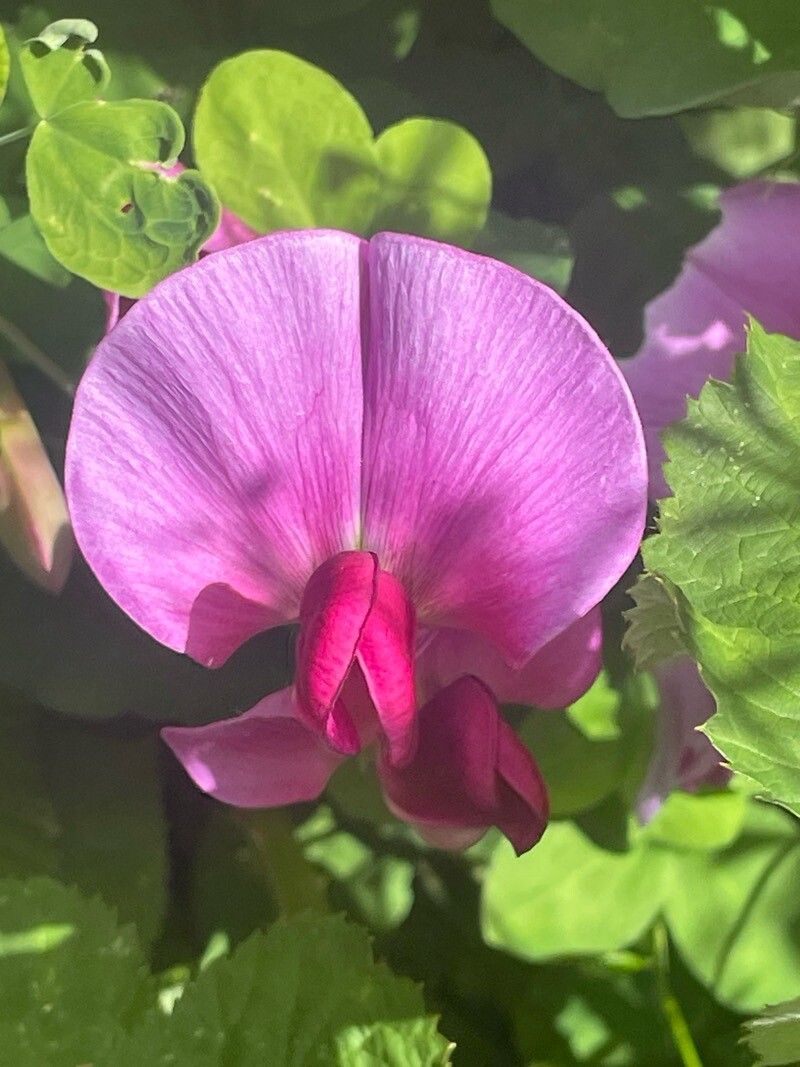
Blooming Beauty on a Budget: How to Propagate Lathyrus Grandiflorus
The Lathyrus grandiflorus, also known as the large-flowered everlasting pea, is a beloved plant for its vibrant, long-lasting blooms and enchanting fragrance. But with its popularity comes a price tag that can make it seem out of reach for budget-conscious gardeners. Fortunately, this beauty is a breeze to propagate, letting you create a vibrant patch of fragrance without breaking the bank.
A Few Methods, Endless Blooms
Lathyrus grandiflorus can be multiplied through a few simple techniques, all of which can be easily done at home:
1. Seeds: The Classic Approach
Starting from seed is the most common way to propagate Lathyrus grandiflorus. Here’s how:
- Harvest Seeds: Wait until the seed pods turn brown and dry before harvesting. Gently crack open the pod and extract the dark, glossy seeds.
- Pre-Soaking: Soaking the seeds in warm water for 24 hours before planting can improve germination rates.
- Sowing: Sow seeds directly in the garden bed in early spring after the last frost, or start them indoors 6-8 weeks before the last frost date.
- Direct Sowing: Space seeds about 8-12 inches apart and cover them with a thin layer of soil.
- Indoor Starts: Fill seed trays with a seed-starting mix and press one seed into each cell. Cover with a thin layer of soil and keep the soil moist.
- Thinning: Once seedlings emerge, thin them out, leaving the strongest plant in each cell or location.
2. Division: Splitting for Speedy Growth
Division is a quick and easy way to increase your Lathyrus grandiflorus plants, as mature plants often develop multiple stems from the base. Here’s how:
- Timing: The best time to divide Lathyrus grandiflorus is in early spring or late summer.
- Digging: Carefully dig up the chosen plant, making sure to get as much of the root system intact as possible.
- Separating: Gently use a sharp knife or your hands to separate the plant into smaller sections, each with its own root system and growing points.
- Planting: Plant the divisions in their new locations, ensuring they are planted at the same depth they were originally. Water well and provide some shade initially.
3. Cuttings: Taking a Piece of the Action
While not as common as the above methods, Lathyrus grandiflorus can also be propagated through stem cuttings:
- Timing: Take cuttings in the spring or summer, when the plant is actively growing.
- Cutting Technique: Select healthy, young stems and cut them into 4-6 inch pieces, ensuring each cutting has at least two sets of leaves.
- Root Hormone (Optional): Dip the cut ends in rooting hormone for a boost.
- Potting: Insert the cuttings into a pot filled with a well-draining potting mix. Keep the soil moist and place the pot in a warm, sunny location but not direct sunlight.
- Rooting: Cuttings usually take several weeks to root. When new growth appears, you know they have rooted.
Tips for Success
- Sunlight and Drainage: Lathyrus grandiflorus prefers full sun and well-drained soil.
- Watering: Ensure consistent moisture, especially during the initial establishment phase.
- Support: Provide sturdy stakes or trellises for support as the plants grow.
- Fertilizing: Apply a balanced fertilizer every few weeks during the growing season.
Final Thoughts
Propagating Lathyrus grandiflorus is a rewarding experience, allowing you to enjoy an abundance of these beautiful blooms without the need for repeated purchases. With the right techniques and care, you can easily create a fragrant and vibrant display for years to come, all while sharing the joy of propagation with fellow gardening enthusiasts.