
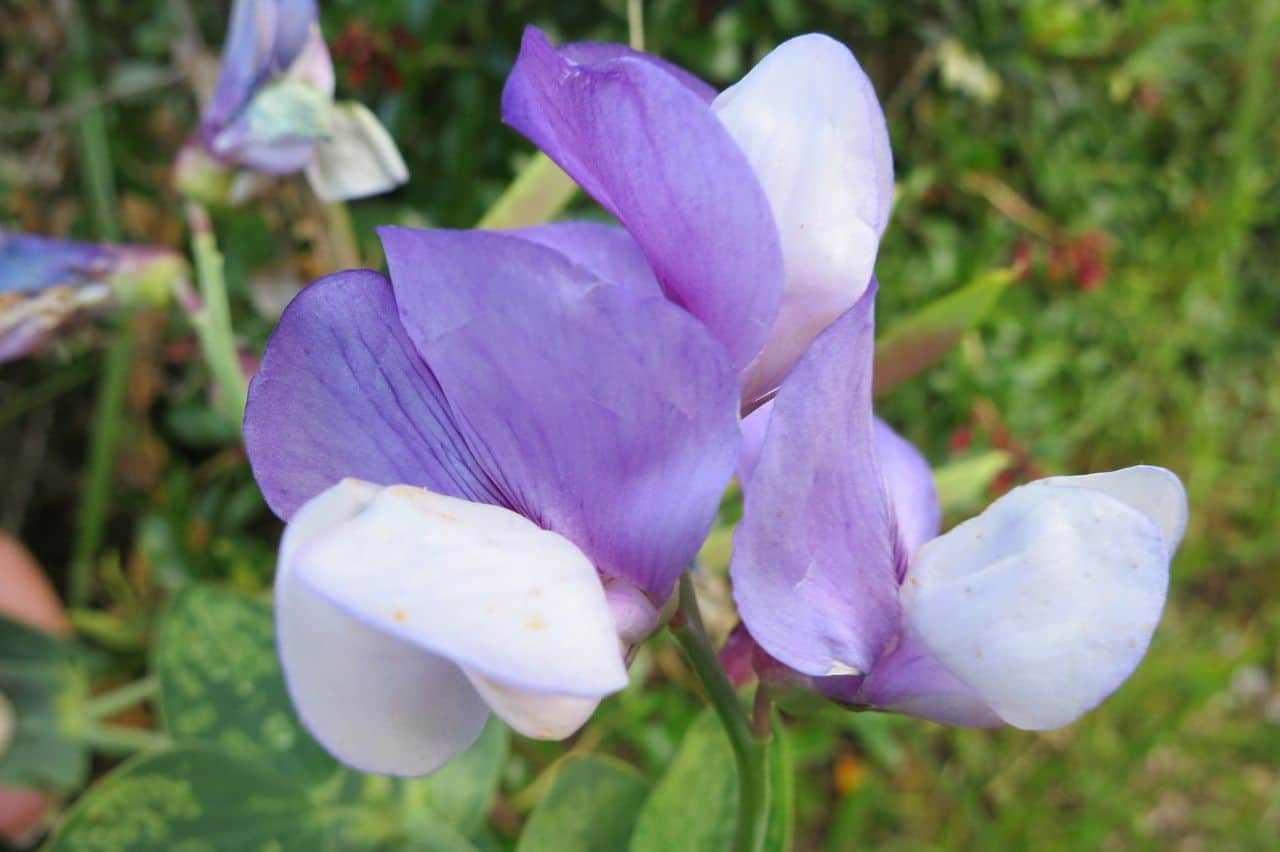
Taming the Lord Anson’s Pea: A Guide to Propagating Lathyrus nervosus
The Lord Anson’s Pea, scientifically known as Lathyrus nervosus, isn’t your average garden variety pea. While it boasts vibrant, showy blooms reminiscent of sweet peas, this perennial climber brings a touch of wild, coastal beauty to gardens, especially in temperate climates. Intrigued? Then let’s dive into the fascinating world of propagating this unique plant.
Seeds: Embracing the Challenge
The most common method of propagating Lathyrus nervosus is through seeds, but be warned, these seeds possess a hard-to-crack exterior, literally! To increase your chances of germination, it’s crucial to mimic nature’s way by scarifying the seeds. This involves gently weakening the outer layer:
- Nicking: Using a nail clipper or sharp knife, make a small nick in the seed coat, being careful not to damage the inner embryo.
- Soaking: Soak the nicked seeds in lukewarm water for 24 hours, allowing them to absorb moisture and soften.
Once scarified, sow the seeds in a well-draining seed starting mix, about 1 inch deep. Keep the mix consistently moist but not waterlogged. Germination may take anywhere from 2 weeks to a couple of months, so patience is key.
Cuttings: A Quicker Route to Success
For those seeking faster results, propagating Lathyrus nervosus from cuttings is a viable option. This method involves taking a section of healthy stem and encouraging it to develop roots. Here’s how:
- Timing is Key: Take cuttings in the morning during the growing season (spring to early summer) when the plant is actively growing.
- Cut with Care: Using a clean, sharp knife or pair of pruning shears, take a 4-6 inch cutting from a healthy, non-flowering stem. Make the cut just below a leaf node.
- Prepare the Cutting: Remove the lower leaves from the cutting, leaving only 2-3 pairs at the top. Dip the cut end in rooting hormone (optional but recommended) to encourage root development.
- Potting Up: Plant the prepared cutting in a pot filled with a well-draining seed starting mix or a mixture of perlite and vermiculite.
- Creating Humidity: Cover the pot with a clear plastic bag or humidity dome to retain moisture and create a humid environment for the cutting to root.
- Patience & Observation: Place the pot in a warm, brightly lit location out of direct sunlight. Check the moisture levels regularly and mist the cutting if needed. Rooting should occur within 4-6 weeks.
Caring for Your New Propagations
Once your seedlings or rooted cuttings have developed a strong root system and several new leaves, it’s time to transplant them into larger pots or directly into your garden. Choose a location with full sun to partial shade and well-drained soil.
Lathyrus nervosus thrives in cool, coastal climates and may struggle in areas with hot, humid summers. Provide support for this vigorous climber in the form of trellises, fences, or other structures. With proper care and attention, your propagated Lathyrus nervosus will reward you with stunning blooms year after year.
Growing your own Lord Anson’s Pea can be incredibly rewarding. By understanding its propagation preferences, you can unlock the secrets to successfully cultivating this striking plant and enjoy its vibrant beauty in your own outdoor space.