
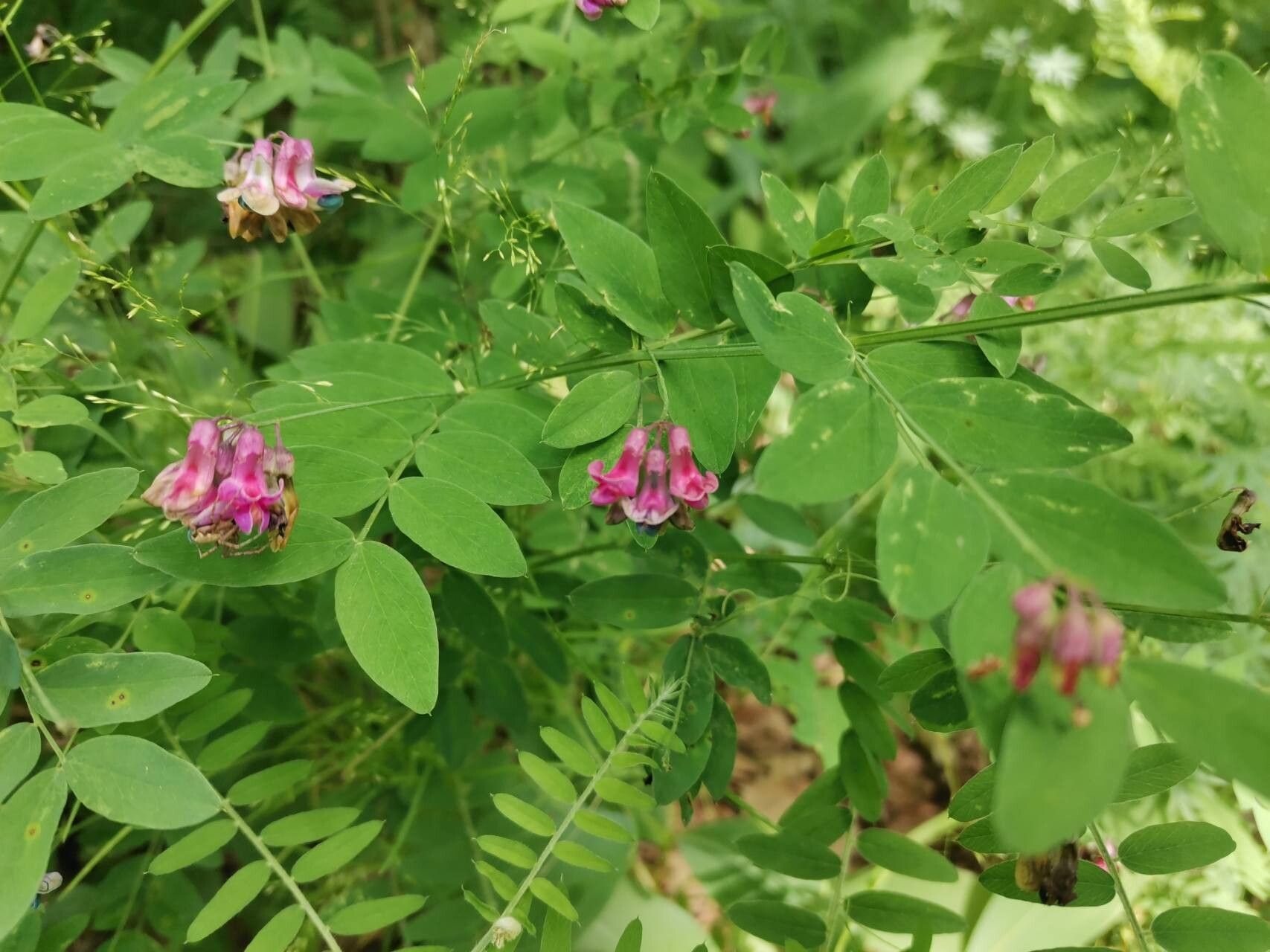
From Seed to Bloom: Growing Your Own “Black Pea” Flower (Lathyrus niger)
The “Black Pea” flower, or Lathyrus niger, is an enchanting wildflower with deep purple blooms. These delicate beauties are a sight to behold in your garden, and thanks to their ease of propagation, you can have a field of them in no time. With this guide, you’ll be well on your way to cultivating your own patch of these charming wildflowers.
From Seeds to Saplings:
Lathyrus niger readily reproduces from seeds. Here’s how to start your journey from seed to bloom:
- Timing is Key: Sow seeds directly into the ground in early spring or late autumn. If you’re opting for spring planting, prepare the soil beforehand by weeding and loosening it.
- Seed Depth: Sow seeds about 1/4 inch deep, spacing them about 6 inches apart.
- Watering and Germination: Keep the soil consistently moist but not waterlogged. Germination usually takes about 10 to 14 days, though it can vary depending on the weather.
- Thinning Out: Once seedlings are a few inches tall, thin them out to a distance of 12 inches apart, leaving the strongest plants to grow.
- Sunlight and Soil: Lathyrus niger thrives in full sun or partial shade. It prefers well-draining soil with a moderate level of fertility.
Other Propagation Methods:
While seeds are the most common way to grow Lathyrus niger, you can also propagate through cuttings or division:
- Cuttings: Take stem cuttings in late spring or early summer. Select healthy stems that aren’t flowering, and cut them just below a node (the point where a leaf grows). Remove the lower leaves, dip the cut end in rooting hormone, and plant in a pot filled with a well-draining potting mix. Keep the cuttings moist and in a shaded location. Roots should develop in about 4 weeks.
- Division: This method is best done in the spring or fall. Carefully dig up a mature plant, and gently divide it into smaller clumps, ensuring each clump has healthy roots. Replant the divided portions in a prepared area, spacing them appropriately.
Enjoying Your Blooms:
Lathyrus niger typically blooms from late spring to early summer, producing beautiful purple flowers on long, graceful stems. These flowers are a favorite among butterflies and other pollinators, adding a vibrant splash of color to your garden while providing food for beneficial insects.
Care for Your New Plants:
- Watering: Once established, Lathyrus niger is fairly drought-tolerant but benefits from regular watering, especially during dry periods.
- Fertilizing: A balanced fertilizer applied in the spring can help promote vigorous growth and blooming.
- Deadheading: By removing spent flowers, you encourage the plant to produce more blooms and maintain a neat appearance.
- Winter Protection: In regions with harsh winters, it’s a good idea to provide a layer of mulch around the plants for protection.
A Word of Caution:
While Lathyrus niger is a lovely addition to any garden, it’s important to remember that the seeds and foliage of this plant are considered toxic if ingested. Keep this plant out of reach of children and pets.
Enjoy: With a little patience and care, you can grow your own field of beautiful black pea flowers, adding a touch of wild beauty to your garden and nurturing a diverse and vibrant ecosystem.