
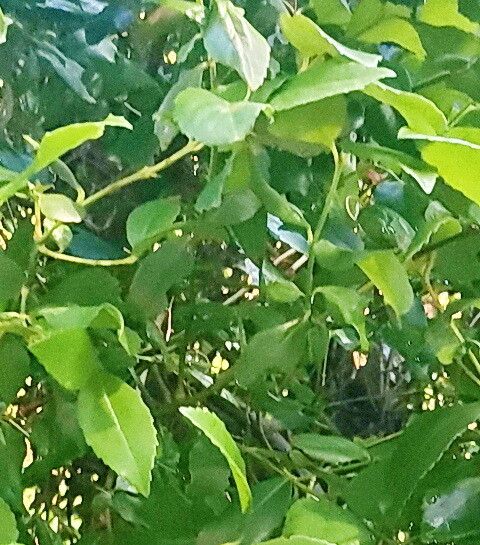
Unveiling the Secrets of Propagating the Chilean Laurel: A Step-by-Step Guide
The Chilean Laurel, scientifically known as Laurelia sempervirens, is a majestic evergreen tree native to the rainforests of Chile and Argentina. Prized for its glossy, aromatic foliage and elegant form, this botanical beauty can be a stunning addition to temperate gardens around the world. While acquiring a sapling from a nursery is always an option, propagating your own Laurelia sempervirens can be a rewarding and cost-effective endeavor.
Two Paths to Propagation: Seeds vs. Cuttings
There are two primary methods for propagating Laurelia sempervirens: seeds and cuttings. Each approach comes with its own set of advantages and challenges:
1. Seeds: A Test of Patience
Pros: Starting from seed allows you to witness the entire life cycle of your Laurelia sempervirens, from tiny sprout to mature tree. It can also be a more economical option, especially if you have access to a seed source.
- Cons: Seed germination can be notoriously slow and unpredictable with Laurelia sempervirens. It may take several months for sprouting to occur, and not all seeds may be viable.
2. Cuttings: A Faster Route to Success
Pros: Propagating from cuttings offers a faster and more reliable method compared to seeds. A well-rooted cutting will also display characteristics identical to the parent plant.
- Cons: Finding viable cuttings can be challenging as they require specific conditions to root successfully.
Step-by-Step Propagation Guide
From Seed:
- Seed Collection and Preparation: Collect ripe fruits from a mature Laurelia sempervirens tree in late summer or fall. Extract the seeds and remove any surrounding pulp. Soaking the seeds in warm water for 24 hours can help improve germination rates.
- Sowing: Sow seeds in a well-draining seed-starting mix, burying them about half an inch deep.
- Environment: Place the seed tray in a warm, brightly-lit location, but out of direct sunlight. Keep the soil consistently moist but not waterlogged.
- Patience is Key: Germination can take several months. Be patient and continue providing optimal conditions. Once seedlings emerge, gradually acclimate them to increasing light levels.
From Cuttings:
- Cutting Selection: Take semi-hardwood cuttings from healthy, vigorous branches in late spring or early summer. Each cutting should be around 4-6 inches long.
- Cutting Preparation: Remove leaves from the lower half of the cutting and wound the base slightly to encourage root formation. Dip the cut end in rooting hormone powder.
- Planting: Plant cuttings in a well-draining rooting medium, burying the bottom node.
- Creating a Humid Environment: Cover the pot with a clear plastic bag or place it in a propagator to maintain high humidity.
- Rooting: Keep the rooting medium consistently moist and provide bright, indirect light. Rooting can take several weeks to a few months. Once roots develop, gradually acclimate the cuttings to outdoor conditions.
Caring for Your Laurelia Sempervirens
Whether you propagated your Laurelia sempervirens from seeds or cuttings, provide your young tree with consistent care:
- Soil: Well-drained, acidic soil is crucial.
- Light: Provide partial shade to full sun, depending on your climate.
- Water: Water regularly, especially during dry periods, but avoid overwatering.
- Fertilizer: Feed with a balanced fertilizer during the growing season.
With patience and proper care, propagating your own Laurelia sempervirens can be an enriching experience. Soon, you’ll be able to enjoy the beauty and unique aroma of this magnificent evergreen in your very own outdoor space.