
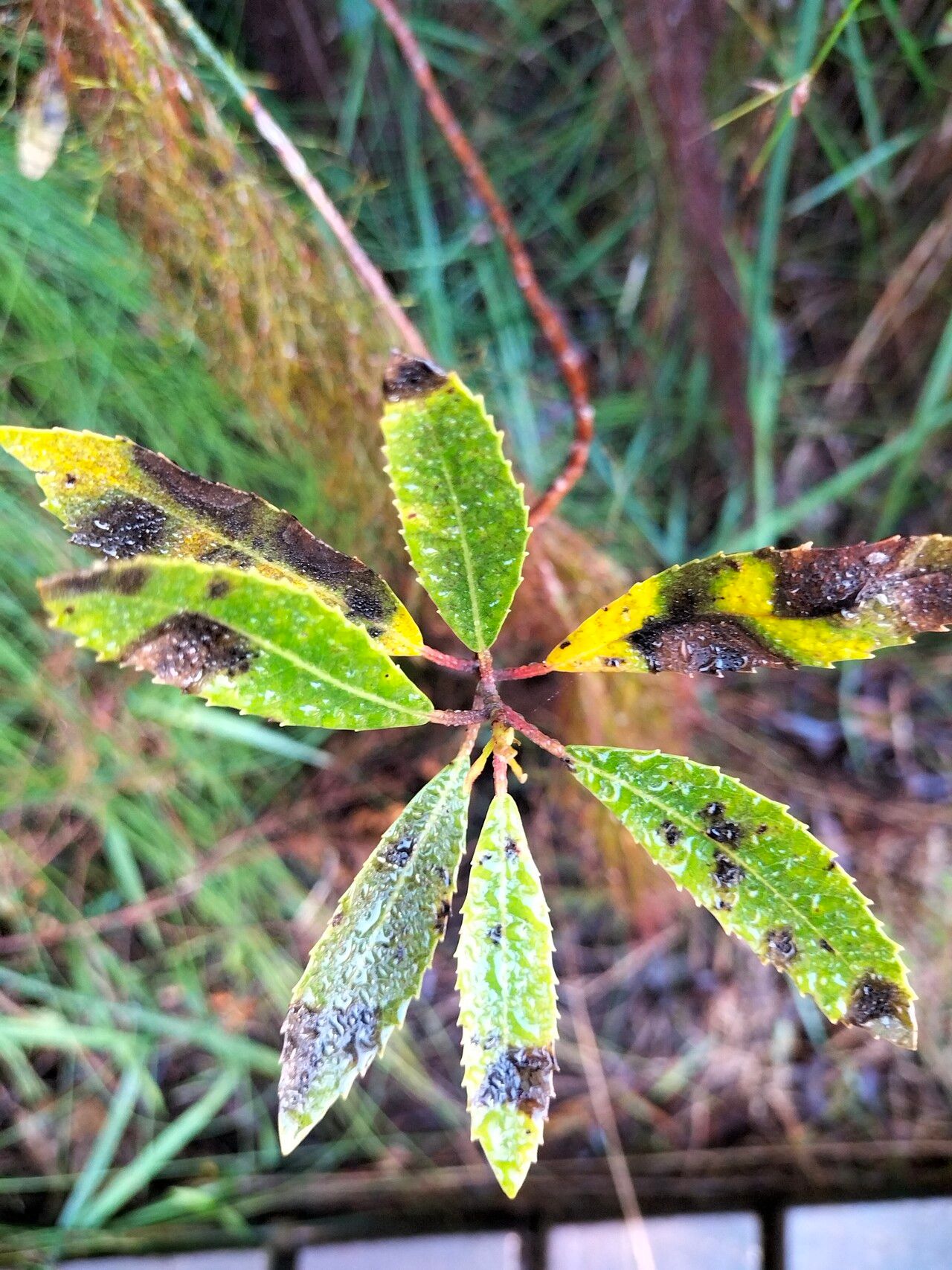
From One to Many: Unlocking the Secrets of Laurophyllus capensis Propagation
The vibrant green foliage and striking form of Laurophyllus capensis, commonly known as Cape Laurel, make it a captivating addition to any garden. But what if you could share this beauty with others, or even expand your own collection? That’s where propagation comes in!
While Laurophyllus capensis can be purchased as a mature plant, propagating it yourself offers a rewarding and cost-effective way to enjoy more of these stunning trees. The good news is that this plant is relatively easy to propagate, opening up a world of possibilities for gardeners of all experience levels.
A Step-by-Step Guide to Propagation:
There are two primary methods for propagating Laurophyllus capensis:
- Timing is key: The best time to take softwood cuttings is during the spring and early summer when the new growth is still tender but has started to harden.
- Selecting the right cuttings: Choose healthy, non-flowering stems with at least four nodes (the points where leaves emerge).
- Preparation: Cut the stem just below a node using a clean, sharp knife or shears. Remove any lower leaves that will be submerged in the rooting medium.
- Rooting: Dip the cut end of the stem in rooting hormone powder and plant it in a pot filled with a well-draining potting mix. Cover the pot with a plastic bag or dome to create a humid environment.
- Care: Place the pot in a bright, warm location, but out of direct sunlight. Keep the rooting medium moist but not soggy.
- Patience: Roots should develop in about 4-6 weeks. Once the new growth appears, you can gradually acclimate the cuttings to outdoor conditions.
2. Air Layering:
- Timing is essential: Air layering is typically done in late spring or early summer when the plant is actively growing.
- Prepare the branch: Select a healthy branch that is about 1/2 – 1 inch in diameter and free of pests or diseases. Make a clean cut through the bark about 1-2 inches long using a sharp knife.
- Stimulate root growth: Apply rooting hormone to the exposed area. Wrap the wound with moist sphagnum moss and secure it with plastic wrap or aluminum foil.
- Wait patiently: Roots should develop in about 6-8 weeks. You’ll know they’ve formed when the sphagnum moss feels heavier and there are signs of new growth emerging from the top of the layered part.
- Cut and pot: Once roots have developed, cut the branch below the layered section and pot it in well-draining potting mix.
Additional Tips for Success:
- Water well: Keep the rooting medium consistently moist, but avoid overwatering. This ensures the cuttings have the necessary moisture to develop roots.
- Provide indirect sunlight: While Laurophyllus capensis thrives in full sun, newly rooted cuttings are more sensitive and should be protected from direct sunlight.
- Protect from frost: Young plants established from cuttings are more susceptible to frost damage. Offer protection during winter months.
Beyond the Garden:
Propagating Laurophyllus capensis isn’t just about filling your own garden; it’s about sharing beauty with others. Give cuttings or air-layered plants as gifts or start a small plant business to share the joy of this unique tree.
Embark on your propagation journey and watch your collection of Laurophyllus capensis flourish, transforming your garden into a thriving oasis one plant at a time!