
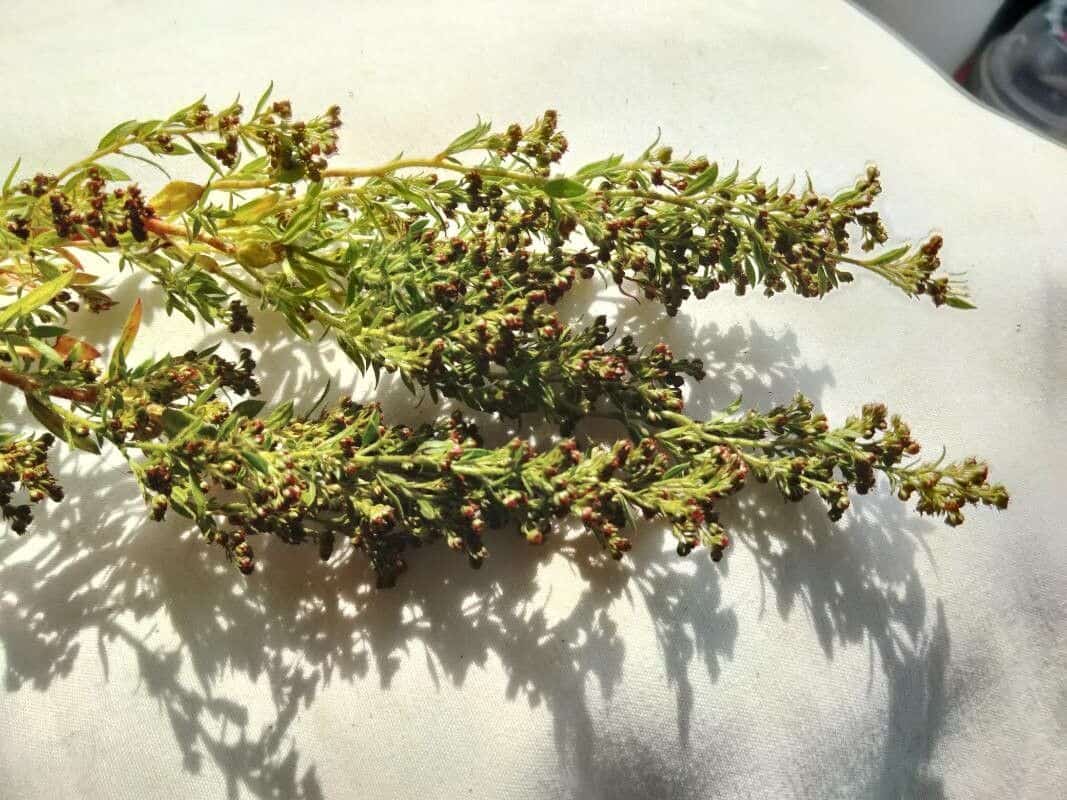
Unlocking the Secrets of Pinweed: A Guide to Propagating Lechea mucronata
Lechea mucronata, more commonly known as Hairy Pinweed or just Pinweed, might not have the immediate star power of a rose or the instant familiarity of a daisy. Yet, this humble wildflower offers a unique charm and plays a vital role in its native ecosystems. If you’re interested in supporting biodiversity or simply intrigued by this delicate beauty, you might be wondering: can I grow Hairy Pinweed myself? The answer is yes, and this guide will unlock the secrets of propagating Lechea mucronata.
Understanding the Pinweed’s Preferences
Before diving into propagation techniques, it’s crucial to understand what makes Pinweed thrive. Native to eastern North America, Lechea mucronata prefers well-drained, sandy soils and plenty of sunshine. This sun-loving species isn’t keen on overly fertile or wet conditions, often found in disturbed areas, prairies, and sandy woodlands. Knowing its preferred environment is half the battle!
Propagation Methods: Seeds of Success
The most reliable way to propagate Lechea mucronata is through seeds. Thankfully, this plant generously produces them! Here’s how to harness nature’s bounty:
Seed Collection: Harvest ripe seed capsules in late summer or early fall. Look for brown, dry capsules – a tell-tale sign that the seeds are ready.
Cold Stratification (Nature’s Trick): In the wild, Pinweed seeds overwinter naturally. To mimic this, store your collected seeds in a refrigerator (around 40°F) for 6-8 weeks in a breathable container like a paper bag.
Sowing Time: Sow the cold-stratified seeds outdoors in early spring, directly into your prepared garden bed. Choose a sunny spot with well-drained soil.
- Patience is Key: While some seeds might germinate within a few weeks, others might take their time, sometimes even sprouting the following year.
Alternative Approach: Cuttings – A Less Conventional Route
While less common and not as foolproof as seed propagation, cuttings can be attempted with Lechea mucronata. The best time for this method is late spring or early summer when the plant is actively growing:
Take Softwood Cuttings: Select young, flexible stems and cut a 3-4 inch section just below a leaf node using a sharp, sterile tool.
Prepare the Cutting: Remove the lower leaves, leaving only a few at the top.
Encourage Rooting: Dip the cut end in a rooting hormone (optional) and plant it in a well-draining potting mix. Keep the soil consistently moist but not waterlogged.
Provide Humidity: Cover the cutting with a plastic bag or humidity dome to create a greenhouse-like environment, aiding in moisture retention.
- Transplant with Care: If roots develop successfully, you can transplant your cutting to a permanent location in the fall.
Nurturing Your Pinweed
Once your Lechea mucronata seedlings or cuttings are established, they require minimal care. Regular watering is crucial in the beginning, but once their root systems develop, they are quite drought-tolerant. Avoid over-fertilizing, as this can hinder their growth.
The Rewards of Growing Pinweed
While seemingly delicate, Hairy Pinweed is a tough little plant that attracts numerous pollinators with its tiny white flowers. By embracing the unique propagation requirements of this native species, you’re not just adding visual interest to your garden, you’re contributing to the vital effort of preserving biodiversity. And that’s a reward worth working for!