
Unlocking the Secrets to Multiply Your Silver Squill: A Guide to Propagating Ledebouria Nitida
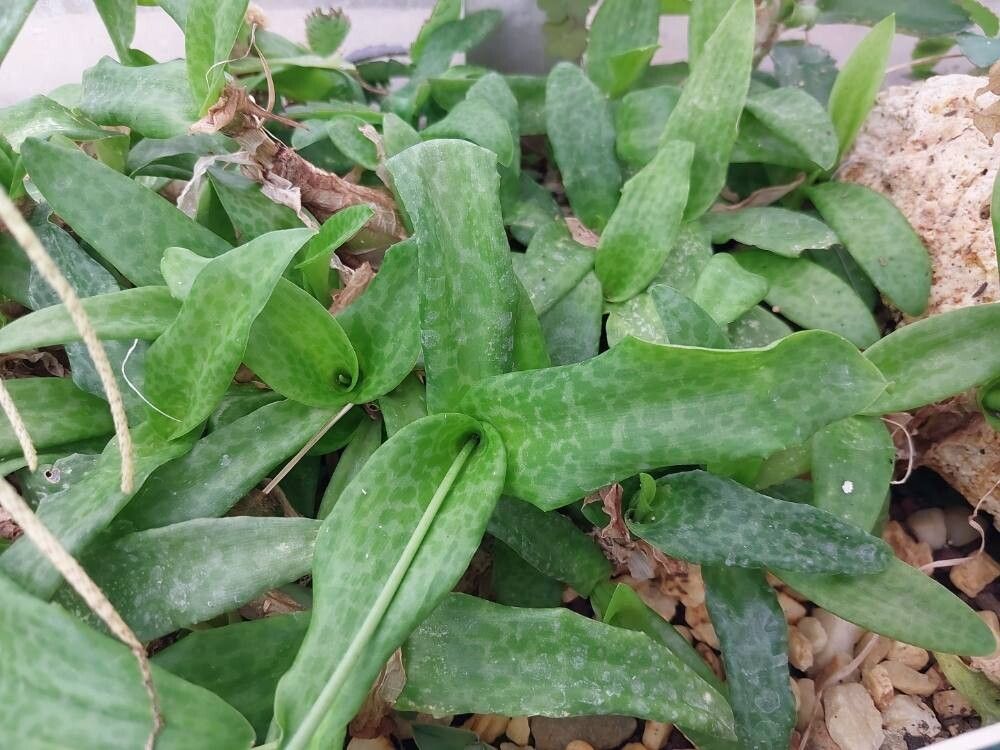
Ledebouria nitida, affectionately known as the Silver Squill, is a delightful little houseplant winning hearts with its charming, silver-speckled leaves and surprising resilience. If you’re smitten by this South African native (and who wouldn’t be?), you might be wondering how to create even more of this botanical beauty. Well, you’re in luck! Propagating Ledebouria nitida is surprisingly simple, and this guide will walk you through every step.
Three Ways to Multiply the Magic
Silver Squill offers multiple avenues for propagation, each with its own advantages:
Leaf Cuttings: This method plays on the incredible regenerative power of Ledebouria.
- Steps: Simply snip a healthy leaf close to the base, let it callus for a day or two, then place it on a well-draining potting mix, burying the cut end slightly.
- Pros: Accessible even for beginners and great for maximizing propagation material from a single plant.
- Cons: Requires patience, as it can take a few months for bulblets to form.
Offsets (Bulbils): Like many bulbous plants, Silver Squill readily produces baby plants, known as offsets or bulbils, around its base.
- Steps: Gently separate these miniature replicas from the mother plant, ensuring they have some roots attached. Pot them individually in a well-draining mix.
- Pros: Quickest method with a high success rate, as the offsets are already independent plants.
- Cons: May not always have offsets available.
Seeds: While less common, growing Silver Squill from seed can be a rewarding experience.
- Steps: Sow seeds in a well-draining seed starting mix, lightly cover them, and keep the soil consistently moist but not soggy.
- Pros: An economical option if you have access to seeds.
- Cons: Requires patience, as germination can be slow and variable, and you’ll need a reliable source for seeds.
Tips for Propagation Success
No matter which method you choose, these tips will enhance your chances of success:
- Timing is Everything: Spring and early summer, when the plant is actively growing, are ideal for propagation.
- Well-Draining Soil: A loose, well-draining potting mix is crucial to prevent root rot, a common foe of Ledebouria.
- Bright, Indirect Light: While Silver Squill tolerates lower light conditions, providing bright, indirect light during propagation will boost its energy for growth.
- Watering Wisely: Keep the soil consistently moist but not waterlogged. Allow the top inch of soil to dry out between waterings.
- Patience, Young Padawan: Propagation is a waiting game. Be patient and avoid overwatering or disturbing the developing plants.
Witness the Magic of New Life
Propagating your Ledebouria nitida isn’t just about multiplying your plant collection; it’s about participating in the miracle of new life. With a bit of care and attention, you can witness these little silver beauties flourish and spread their magic throughout your home. So, roll up your sleeves, grab your gardening tools, and get ready to experience the joy of propagation!