
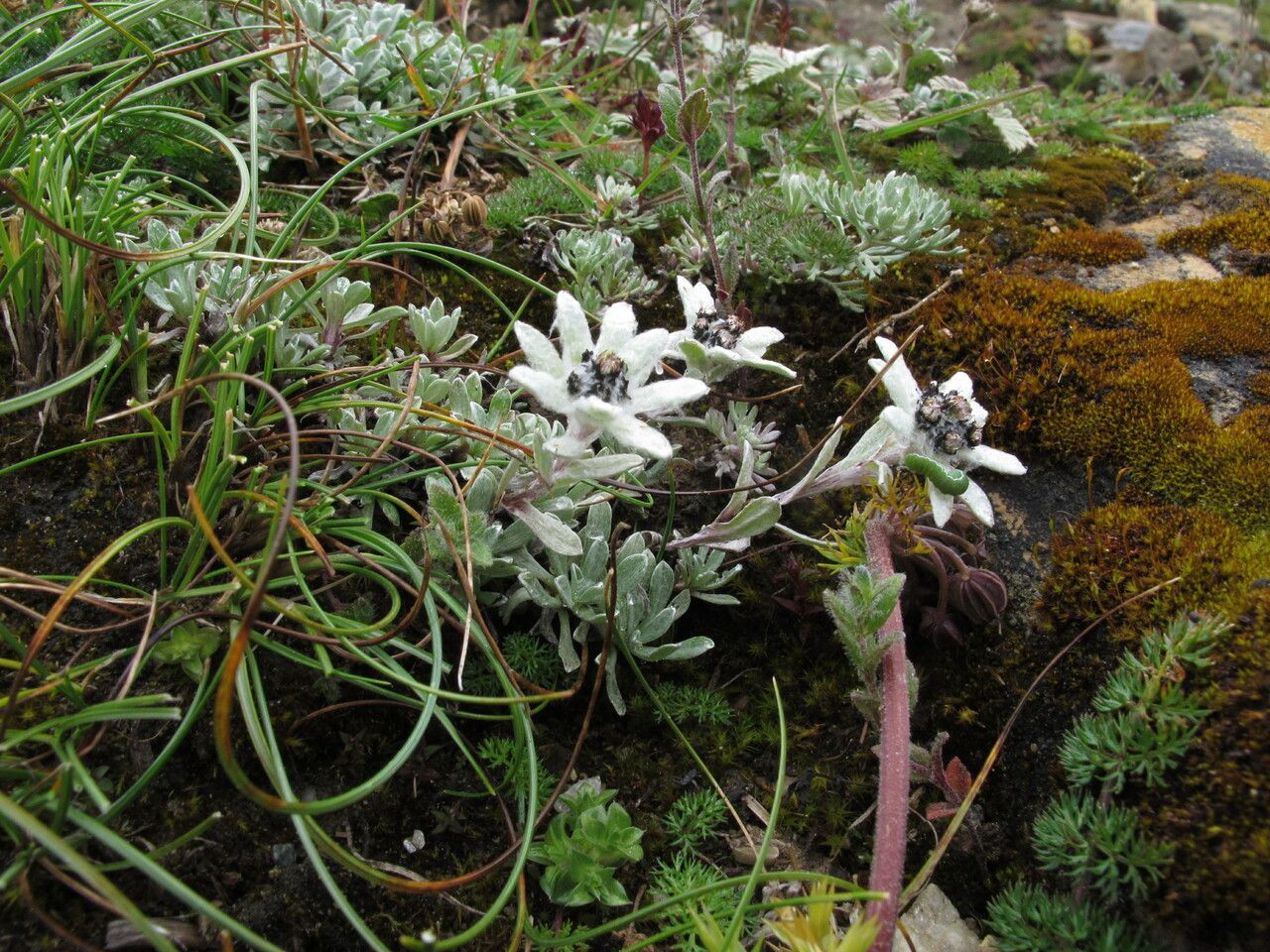
Bringing Home the Mountains: A Guide to Propagating Edelweiss
Edelweiss, the iconic flower of the Alps, with its star-shaped white blooms and velvety leaves, is a symbol of purity, resilience, and love. Known scientifically as Leontopodium monocephalum, this enchanting wildflower thrives in harsh alpine environments and is highly sought after by gardeners seeking to bring a touch of mountain magic into their homes. While collecting edelweiss in the wild is discouraged due to its endangered status, thankfully, you can enjoy these beauties without harming the fragile alpine ecosystem – by propagating them yourself!
Methods for Edelweiss Propagation:
There are two primary methods for propagating edelweiss:
From Seed:
Collecting seeds: The best time to collect edelweiss seeds is in the late summer, after the fluffy white seedheads have formed. Carefully cut the seedheads and let them dry in a well-ventilated, dark space. Once dry, shake out the tiny seeds onto a sheet of paper and store them in an airtight container in a cool, dry place.
Sowing the seeds: Sow the seeds in a tray filled with a well-draining seed-starting mix and lightly cover them with the soil. Keep the mix moist and maintain a temperature of 15-20°C (59-68°F). Edelweiss seeds appreciate light for germination, so don’t cover them too deeply.
- Transplanting seedlings: Once the seedlings have developed a few true leaves (usually within a few weeks), transplant them into individual pots filled with a well-draining soil mix that mimics their natural alpine habitat.
From Cuttings:
Taking cuttings: Edelweiss can also be propagated from stem cuttings, typically taken in the early spring or late summer. Select healthy, non-flowering stems and cut them into 7-10 cm (2.7-4 inches) pieces, making sure the lower cut is just below a leaf node.
Preparing the cuttings: Remove the lower leaves from the cuttings and dip the cut ends into rooting hormone to encourage root growth. Plant the cuttings in a well-draining potting mix, leaving the top few leaves exposed.
- Providing ideal conditions: Keep the cuttings moist, but not waterlogged, by misting them regularly. A humidity dome or plastic bag can help create a moist environment. Place the cuttings in an area with bright, indirect light and a temperature between 15-20°C (59-68°F). Root formation can take several weeks.
Ideal Growing Conditions:
Edelweiss prefers a well-drained, sandy, slightly acidic soil with good drainage. They are adapted to a cool, dry climate and dislike excessive heat and humidity.
Special Considerations:
- Light: Provide Edelweiss with at least six hours of direct sunlight each day, especially during the warm months.
- Watering: Water deeply but infrequently, allowing the soil to dry slightly between waterings. Overwatering can lead to root rot.
- Fertilizer: Edelweiss does not need much fertilizer. Use a balanced, slow-release fertilizer sparingly during the spring and summer months.
- Protection: Edelweiss can be prone to aphids and rust. Keep an eye out for these pests and use an organic insecticidal soap solution if necessary.
Challenges and Rewards:
Propagating Edelweiss can be a little challenging, but the reward of witnessing these beautiful flowers thriving in your garden makes it all worthwhile. Remember, patience is key, and proper care will lead to the successful blooming of these enchanting alpine gems. So why not put your green thumb to the test and bring home a bit of alpine magic by propagating Edelweiss? You’ll be rewarded with a captivating addition to your garden and the satisfaction of cultivating these rare and resilient beauties.