
Unlocking the Secrets of Edelweiss Propagation: How to Grow the “King of the Alps” at Home
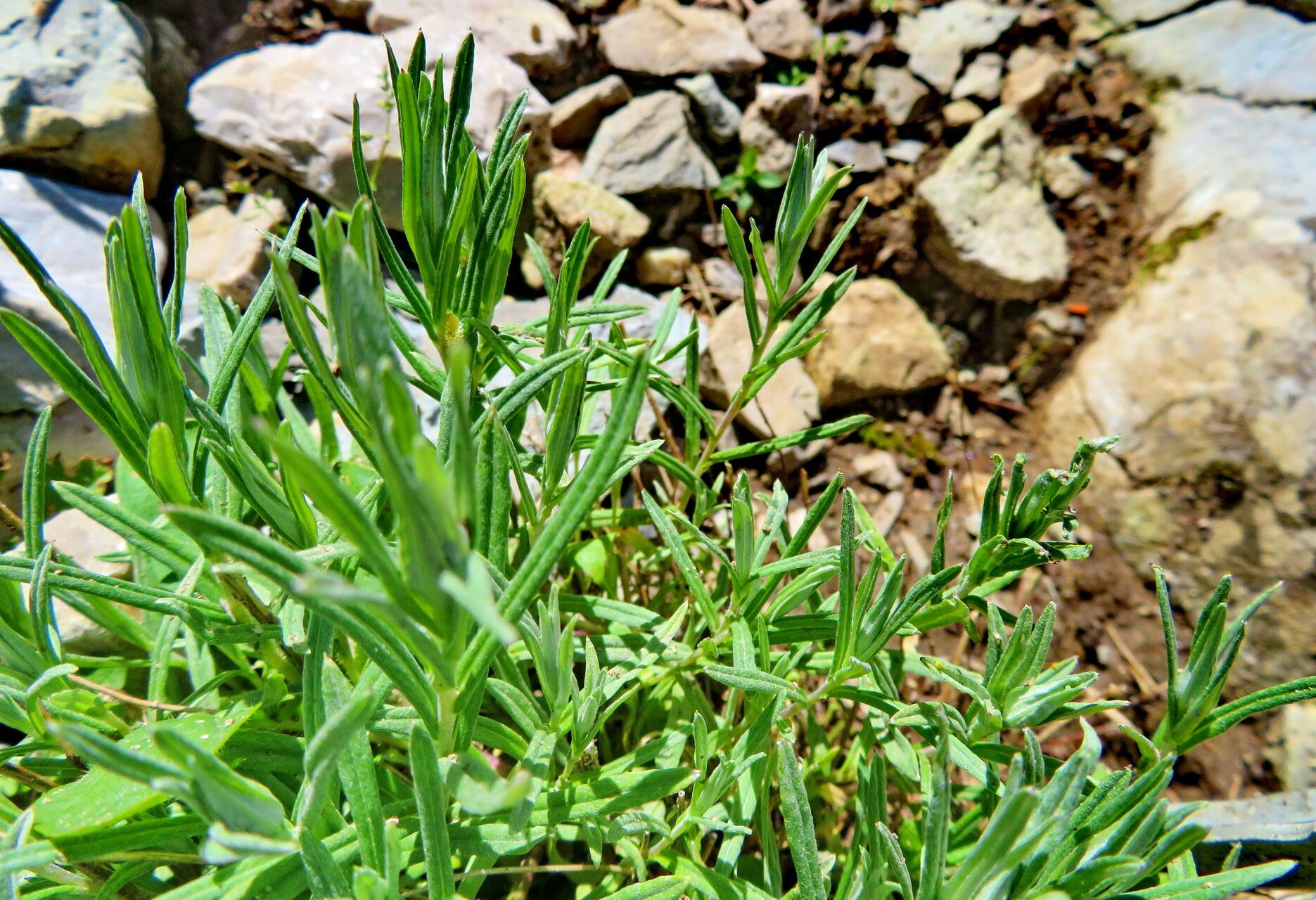
The Edelweiss (Leontopodium stracheyi) – a symbol of purity and resilience, known for its velvety white, star-shaped flowers – has captivated hearts and imaginations for centuries. This iconic mountain flower, native to the high-altitude regions of the Himalayas and Alps, has historically been a challenge to cultivate outside its natural habitat. But fear not, garden enthusiasts! You can now bring the magic of the Edelweiss into your own garden through the art of propagation.
Understanding the Edelweiss: A Mountain Dweller’s Needs
Before embarking on propagation, it’s crucial to understand the Edelweiss’s unique requirements. These alpine beauties crave well-drained, rocky soil with a neutral to slightly alkaline pH. They thrive in cool, sunny conditions and need protection from excessive heat and humidity. Mimicking these conditions is key to successful propagation.
Propagation Methods: Seeds and Divisions
The Edelweiss can be propagated through two primary methods:
From Seed: While patience is required, growing Edelweiss from seed offers a rewarding experience. Start by sowing seeds in a seed tray filled with a gritty, well-drained mix. Maintain moist, cool conditions, and wait patiently for germination, which can take several weeks. Once seedlings emerge, provide them with ample light and progressively acclimate them to outdoor conditions before transplanting them into their permanent location.
- Divisions: Established Edelweiss plants can be divided in spring or autumn. Carefully separate the plant’s root system, ensuring each section has a healthy root ball. Replant the divisions in well-drained soil and water them thoroughly. Division allows you to multiply your existing plants and enjoy a vibrant patch of Edelweiss in your garden.
Tips for Successful Edelweiss Propagation:
Soil is King: Choose a well-drained substrate – a mix of potting soil, sand, and grit – that allows excess water to escape, preventing root rot. Also, avoid over-watering.
Sunlight is Vital: Edelweiss needs plenty of sunshine. Plant them in a spot that receives at least six hours of direct sunlight every day.
Protect Them from Harsh Conditions: Avoid planting Edelweiss in areas prone to strong winds and heavy rain. In hot climates, provide some shade during the hottest parts of the day.
- Patience is a Virtue: Growing Edelweiss from seed or divisions requires patience. It takes time for plants to establish themselves and reach maturity.
Beyond Propagation: The Ultimate Guide for Edelweiss Enthusiasts
By mastering the art of propagation, you’ll unlock a treasure trove of possibilities. Imagine an alpine meadow right in your own backyard, overflowing with delicate Edelweiss blooms. But beyond propagation, there’s a whole world to explore for Edelweiss enthusiasts:
Protecting the Wild: The Edelweiss is a vulnerable species in its natural habitat. Respect the need to protect wild populations by refraining from picking them in the wild.
Exploring Different Varieties: While the classic Edelweiss (Leontopodium alpinum) is iconic, explore other species like Leontopodium stracheyi, showcasing unique characteristics and adaptations to different mountain environments.
- Embracing the Beauty: The Edelweiss symbolizes resilience, purity, and beauty. Embrace its presence in your garden as a reminder of the wonders that can be found in even the most challenging environments.
Propagating Edelweiss is an adventure for any passionate gardener. With a little patience and the right approach, you can bring this captivating mountain flower into your own landscape, showcasing its delicate beauty and inspiring awe in all who behold it. Now, go forth and start your Edelweiss journey!