
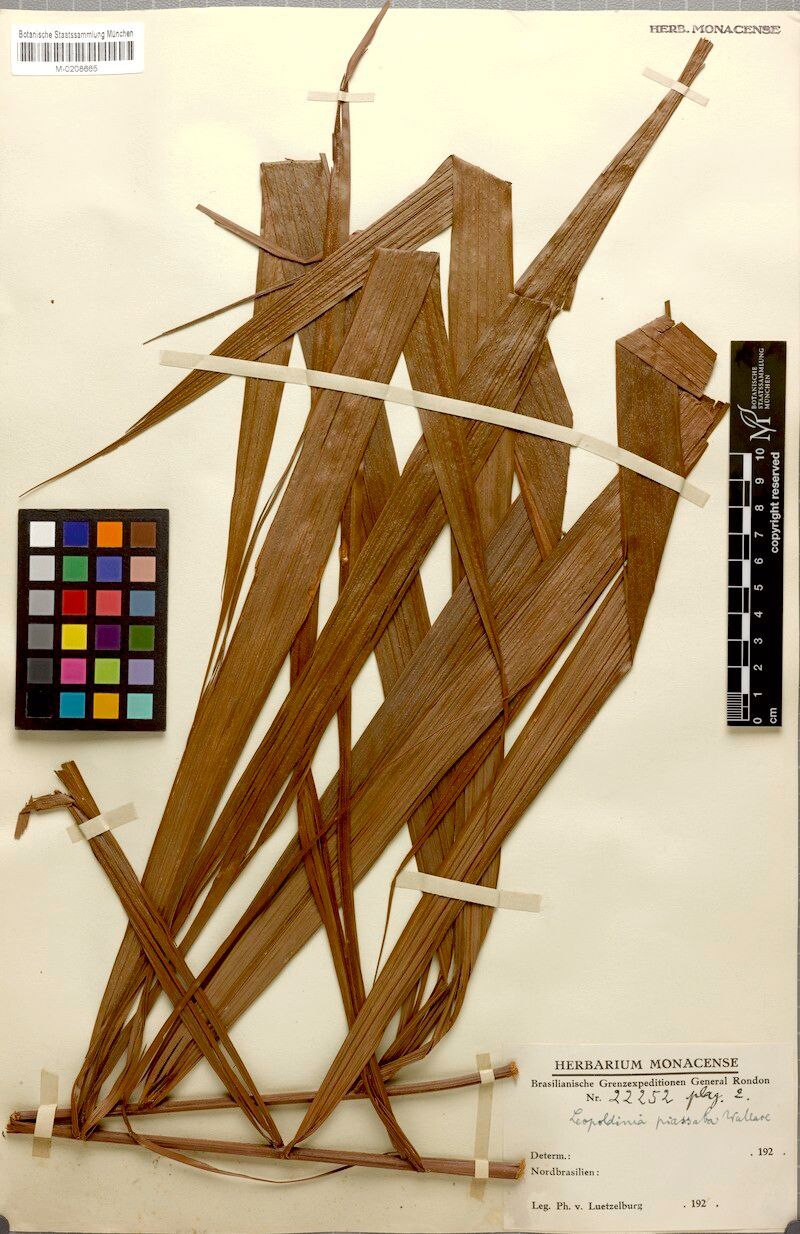
Taming the Giant: Propagating the Majestic Leopoldinia Piassaba Palm
The Amazon rainforest is a treasure trove of unique and fascinating plant life. Among its many wonders stands the Leopoldinia piassaba, a towering palm species renowned not just for its impressive height, but also for the incredibly strong fibers it produces. If you’re looking for a horticultural challenge with a truly rewarding outcome, propagating the Leopoldinia piassaba might be just the adventure for you.
While not for the faint of heart, cultivating this majestic palm from seed offers a fulfilling experience for dedicated plant enthusiasts. Here’s a glimpse into the world of Leopoldinia piassaba propagation:
Understanding the Giant:
Before embarking on this journey, it’s crucial to understand the plant itself. Reaching heights of over 60 feet in its natural habitat, the Leopoldinia piassaba, also known as the “Piassaba fiber palm,” boasts a crown of feathery leaves atop a slender trunk. This palm is particularly valued for the tough, durable fibers derived from its leaf sheaths, used in everything from brooms and ropes to house construction.
The Seed of the Matter:
Propagating Leopoldinia piassaba primarily occurs through seeds, and acquiring viable ones can be the first hurdle. These seeds are typically sourced from specialized suppliers or botanical gardens that cultivate this unique palm.
Creating the Ideal Nursery:
Once you’ve secured your seeds, the next step is mimicking the warm, humid conditions of their Amazonian home:
- Germination Mix: Opt for a well-draining, nutrient-rich mix. A combination of peat moss, perlite, and vermiculite works well.
- Warmth is Key: Utilize a heat mat to maintain a constant temperature between 80-85°F (27-29°C) for optimal germination.
- Humidity Control: Enclose your seed trays in a humidity dome or use a propagation box to maintain high humidity levels. Misting regularly with warm water will further enhance this tropical environment.
Patience is a Virtue:
Germination can be a lengthy process, often taking several months. Be patient and diligently monitor moisture levels, ensuring the seedbed remains consistently moist but not waterlogged.
Transplanting the Seedlings:
Once your seedlings have developed a robust root system and a few sets of true leaves, they’re ready for transplanting:
- Individual Pots: Choose deep pots with good drainage to accommodate the developing root system.
- Well-Draining Soil: A mix similar to the germination medium is suitable, ensuring ample aeration and water flow.
- Continued Care: Keep your young palms in a warm, brightly lit location, shielded from direct sunlight. Maintaining consistent moisture and providing a balanced liquid fertilizer every few weeks will encourage healthy growth.
A Rewarding Challenge:
While propagating Leopoldinia piassaba requires patience and dedication, successfully nurturing these magnificent palms from seed offers a sense of accomplishment like no other. As you witness your seedlings flourish into healthy young plants, you’ll be directly contributing to the conservation of this remarkable Amazonian giant.