
Unveiling the Secrets of the Brush Ironbark: A Guide to Propagating Lepidocupania Lepidota
The Brush Ironbark, scientifically known as Lepidocupania lepidota, is a fascinating Australian rainforest tree that deserves a place in more gardens and landscapes. With its attractive scaly bark, delicate foliage, and ability to attract native wildlife, this tree offers a unique charm. But propagating Lepidocupania lepidota can seem like a mysterious endeavor. This guide aims to demystify the process and empower you to cultivate this beautiful species.
Understanding the Brush Ironbark
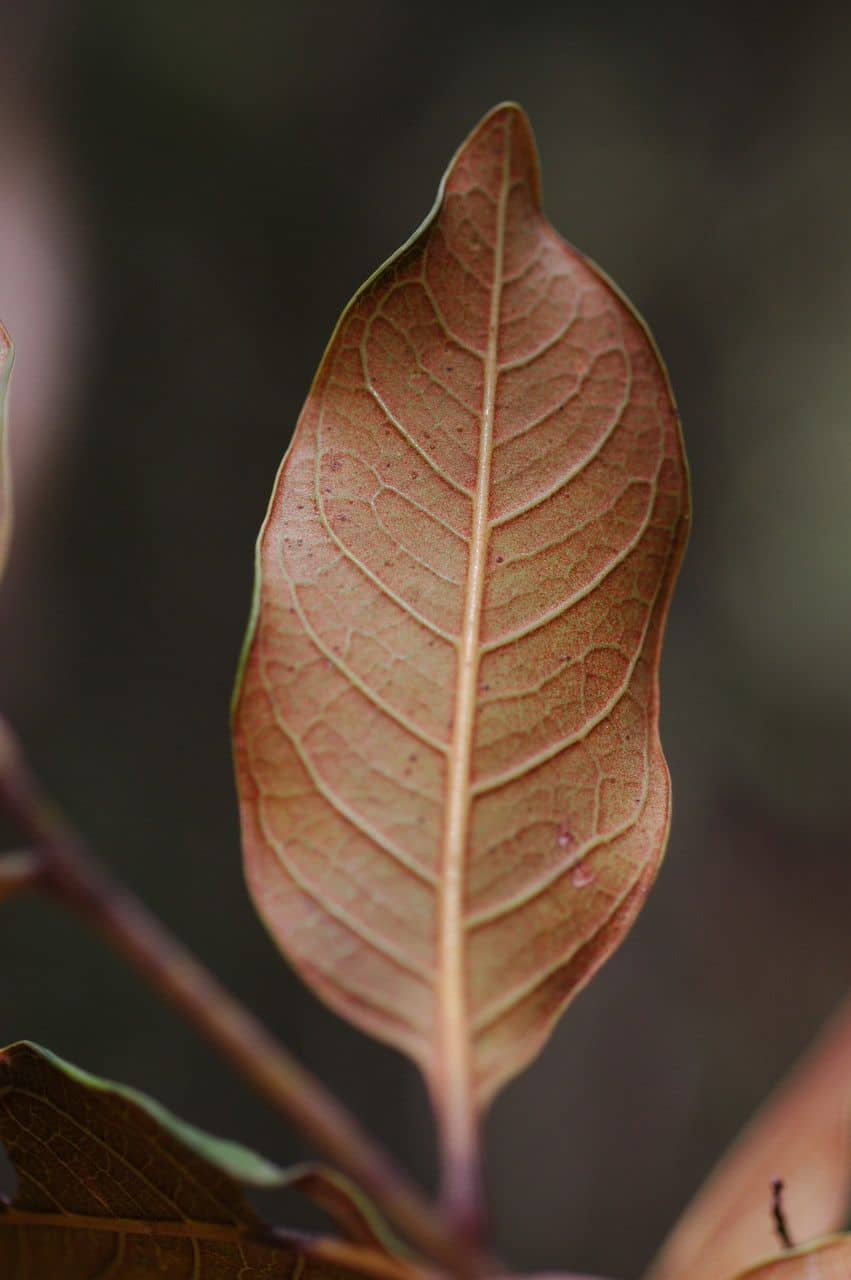
Before delving into propagation techniques, let’s get acquainted with the Brush Ironbark. Native to the rainforests of eastern Australia, this evergreen tree typically reaches a height of 15-25 meters in the wild. It showcases flaky, rusty-brown bark that provides a striking visual contrast against its glossy, dark green leaves. In spring, the tree reveals small, creamy-white flowers, which mature into small capsules containing the seeds.
Propagation Techniques: Seeds vs. Cuttings
While propagating Lepidocupania lepidota can be slightly more challenging than common garden plants, success is achievable with patience and the right approach. Two primary methods exist:
- Seed Collection and Preparation: Collect mature seed capsules from the tree, ideally in autumn. Allow the capsules to dry, then carefully extract the seeds.
- Sowing: Sow the seeds in a well-draining seed-raising mix. Surface sow, pressing them lightly into the mix, and mist with water.
- Environment: Provide warmth and humidity by placing the seed tray in a warm, sheltered location or a propagation chamber with bottom heat.
- Germination: Be patient! Germination can be slow and erratic, often taking several months. Keep the seed mix consistently moist but not waterlogged.
Cutting Propagation:
- Timing is Key: Take cuttings during the active growing season, ideally in late spring or early summer.
- Choosing Cuttings: Select healthy, semi-hardwood cuttings, approximately 10-15cm long, from the current year’s growth.
- Preparing the Cuttings: Remove leaves from the lower third of the cutting. Wound the base of the cutting slightly to encourage root development. Dip the cut end in rooting hormone powder to improve success rates.
- Planting: Plant the cuttings in a well-draining potting mix specifically formulated for cuttings. Keep the mix consistently moist.
- Rooting: Provide a warm, humid environment with indirect light. It can take several weeks for roots to develop.
Nurturing Your Brush Ironbark
Once your seeds germinate or your cuttings develop roots, it’s crucial to provide the right growing conditions:
- Light: Lepidocupania lepidota prefers a partially shaded position, especially when young. Avoid direct, harsh sunlight.
- Soil: Well-draining soil is vital. A slightly acidic to neutral pH is optimal.
- Water: Water regularly during the first few years to establish a deep root system. Once established, the tree is relatively drought-tolerant.
- Fertilizer: Feed with a slow-release fertilizer during the growing season to support healthy growth.
A Rewarding Endeavor
Propagating Lepidocupania lepidota might require some patience and care, but the rewards are well worth the effort. Successfully cultivating this beautiful and unique tree allows you to contribute to preserving native flora and invite a touch of the Australian rainforest into your own backyard.