
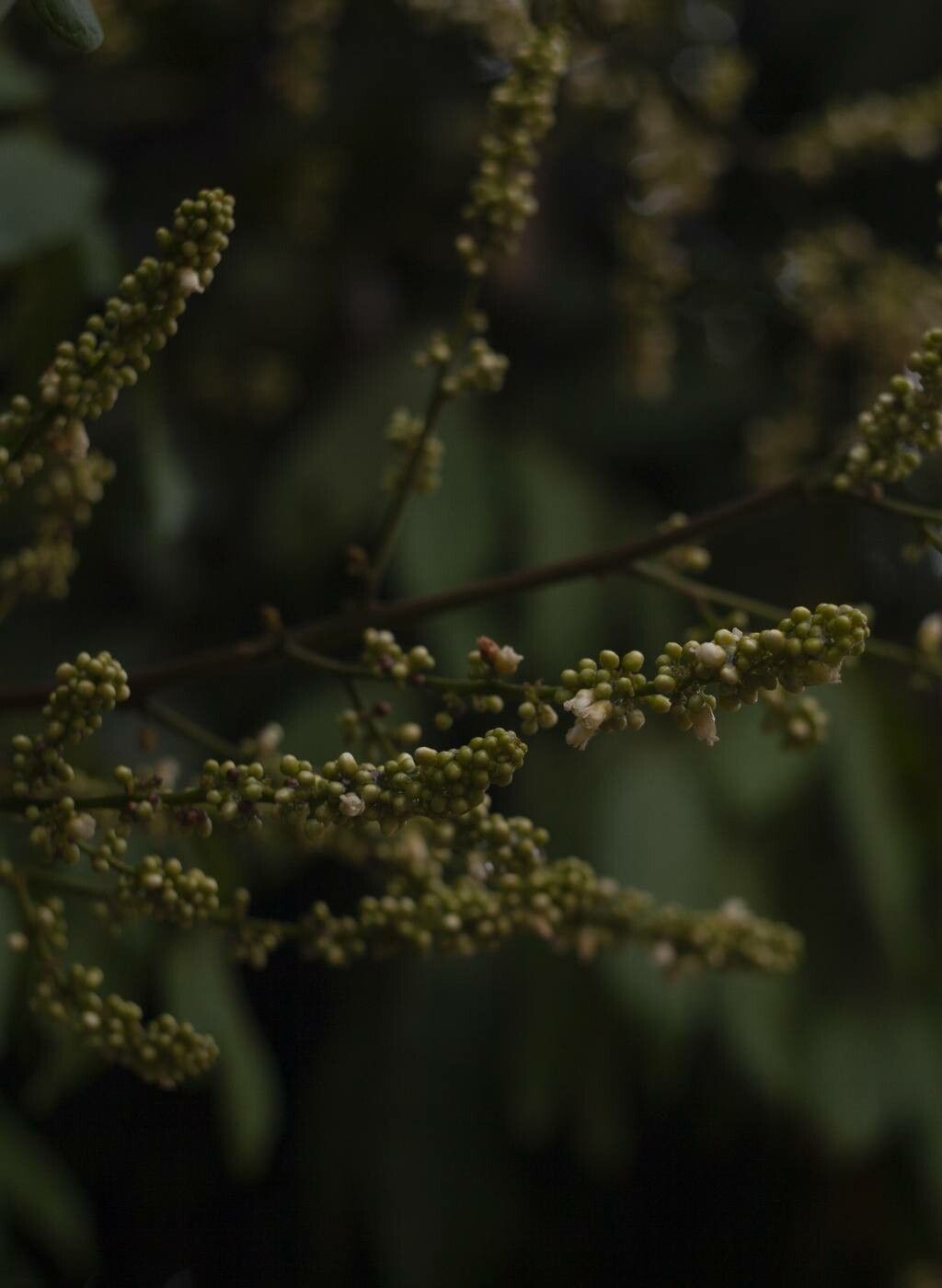
Unveiling the Secrets: How to Propagate the Exotic Lepisanthes Rubiginosa
The Lepisanthes rubiginosa, more affectionately known as the Rambutan relative or the Rusty Leaf Grape, is a captivating tree that hails from the tropical rainforests of Southeast Asia. Beyond its elegant foliage, which shifts from a coppery hue to a vibrant green, this evergreen beauty boasts clusters of tart, edible fruit that entice both humans and wildlife.
If you’re ready to invite this unique tree into your garden, you’re in the right place. Propagating Lepisanthes rubiginosa might seem shrouded in mystery, but fear not! This guide will demystify the process and equip you with the knowledge to successfully cultivate this exotic gem.
Two Paths to Success: Seeds vs. Cuttings
While Lepisanthes rubiginosa can be a bit particular about its propagation, there are two main methods you can employ:
1. The Seed Route: Embracing Nature’s Timeline
- Source Fresh Seeds: Your journey begins with sourcing ripe Lepisanthes rubiginosa fruits. Extract the seeds, ensuring they are clean and free from any fruit pulp.
- Prepare for Germination: These seeds have a reputation for being a tad stubborn. To encourage germination, try soaking them in warm water for 24 hours. Lightly scarifying the seed coat can also help.
- Plant with Patience: Sow your seeds in a well-draining potting mix, keeping them consistently moist but not waterlogged. While germination time can vary, it typically takes several weeks to a few months, so patience is key.
2. The Cutting Edge: A Faster Approach
- Choose Wisely: Select healthy, semi-hardwood cuttings from the current year’s growth. Ideally, your cuttings should be around 6-8 inches long and taken from a vigorous part of the tree.
- Hormone Boost (Optional): Dipping the cut end of your cutting in a rooting hormone can significantly increase your chances of success, especially with Lepisanthes rubiginosa, which can be a bit reluctant to root.
- Create the Right Environment: Plant your cuttings in a well-draining potting mix, ensuring the bottom node is buried. Maintaining a humid environment is crucial, achievable through a humidity dome or simply by covering the pot with a clear plastic bag.
Nurturing Your Lepisanthes Rubiginosa: Tips for Success
Whether you chose the path of seeds or cuttings, the following tips will help you nurture your developing Lepisanthes rubiginosa:
- Warmth and Light: This tropical beauty thrives in warm temperatures and dappled sunlight. Avoid direct sunlight, which can scorch the leaves.
- Consistent Moisture: Maintain consistently moist soil, but be wary of overwatering, which can lead to root rot.
- Well-Draining Soil: Opt for a well-draining potting mix that replicates the loose, nutrient-rich soil found in the rainforest understory.
Reaping the Rewards
Propagating Lepisanthes rubiginosa requires patience and a touch of dedication. Yet, the reward of seeing this remarkable tree thrive in your own garden makes the journey well worth the effort. Imagine the satisfaction of harvesting your own tart, juicy fruits, knowing you played a role in bringing this exotic wonder to life.