
Unleashing the Magic of Lepisorus longifolius: A Guide to Propagation
The Lepisorus longifolius fern, with its graceful, long, strap-like leaves, adds a touch of elegance to any indoor space. But there’s a secret to enjoying even more of this beauty: propagation. It’s easier than you might think to grow new Lepisorus longifolius ferns from existing ones, and it’s incredibly rewarding!
Understanding the Basics
Propagation, in a nutshell, is the process of creating new plants from existing ones. For Lepisorus longifolius, the most common methods are through spores and division.
1. Spore Propagation: A Journey of Patience
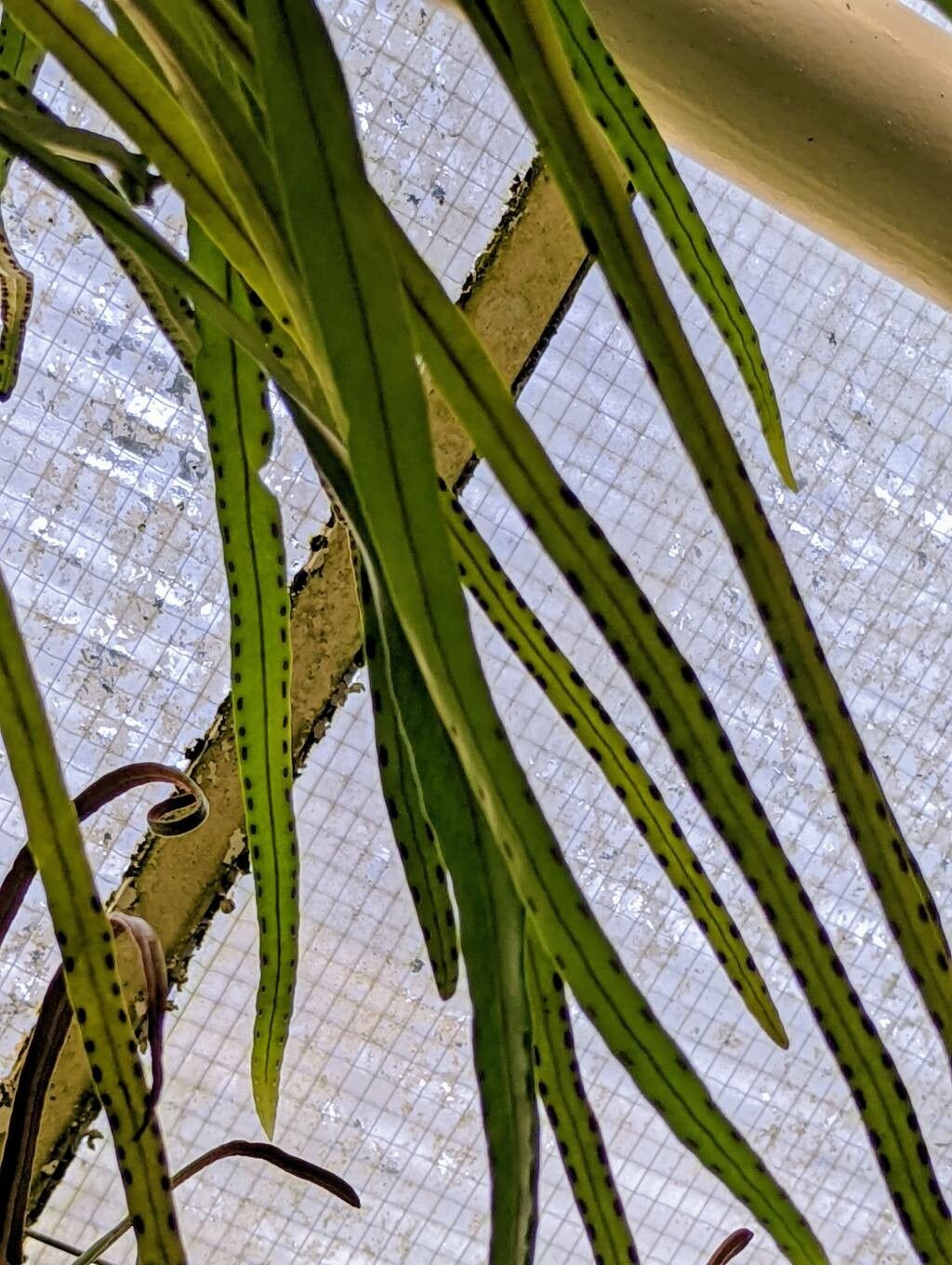
- The Spore Story: Lepisorus longifolius ferns, like many ferns, reproduce using spores. These tiny specks, housed on the underside of the fronds, are the plant’s equivalent of seeds.
- The Process:
- Collect spores: Look for mature fronds with brown sori (clusters of spore-bearing structures). Carefully scrape the spores onto a piece of paper.
- Prepare the medium: Use a sterilized mixture of peat moss and perlite, or buy specialized fern soil.
- Sow the spores: Sprinkle the spores evenly on the surface of the medium, keeping them slightly moist.
- Cultivate: Cover the container with a plastic bag or clear lid to maintain high humidity. Place it in indirect light and keep it at a consistent temperature (around 70-80°F).
- Patience is key: Spore propagation can take several months to a year! Be patient, and you’ll be rewarded with tiny, delicate ferns.
- Advantages: This method allows you to create many new ferns from a single plant and is great for experimenting with different cultivars.
- Drawbacks: It can be a slow and meticulous process demanding a high level of attention to detail.
2. Division: A Faster Way to Multiply
- The Principle: Mature Lepisorus longifolius ferns often develop new offsets or “baby plants” at their base. Division allows you to separate these offsets and grow them independently.
- The Process:
- Choose the right time: Spring or early summer is the best time to divide a Lepisorus longifolius fern.
- Preparation: Gently lift the fern from its pot to avoid damaging the roots.
- Divide: Use a sharp, clean knife or a pair of scissors to divide the fern, ensuring each section has its own root system and healthy leaves.
- Repot: Plant each division in a pot filled with fresh, well-draining potting soil.
- Advantages: Simple, faster, and requires less specialized equipment than spore propagation.
- Drawbacks: Requires you to have a mature fern with established offsets.
Tips for Success
- Moisture is key: Lepisorus longifolius ferns thrive in high humidity. Mist the foliage regularly, use a humidifier, or place the pot on a pebble tray filled with water.
- Indirect light: Avoid direct sunlight, which can scorch the leaves. Bright, indirect light is ideal.
- Proper watering: Allow the top inch of soil to dry out between waterings. Overwatering can lead to root rot.
- Fertilize sparingly: Use a diluted liquid fertilizer during the growing season (Spring/Summer).
Beyond the Pot:
Consider using your newly propagated ferns to create a beautiful terrariums or a lush, hanging planter. Their long, trailing leaves create a mesmerizing display that’s sure to impress.
The Joy of Propagation
Propagating Lepisorus longifolius ferns is a journey of discovery and a testament to the power of nature. With a little attention and patience, you can enjoy the satisfaction of growing new life and create a vibrant green haven in your home.