
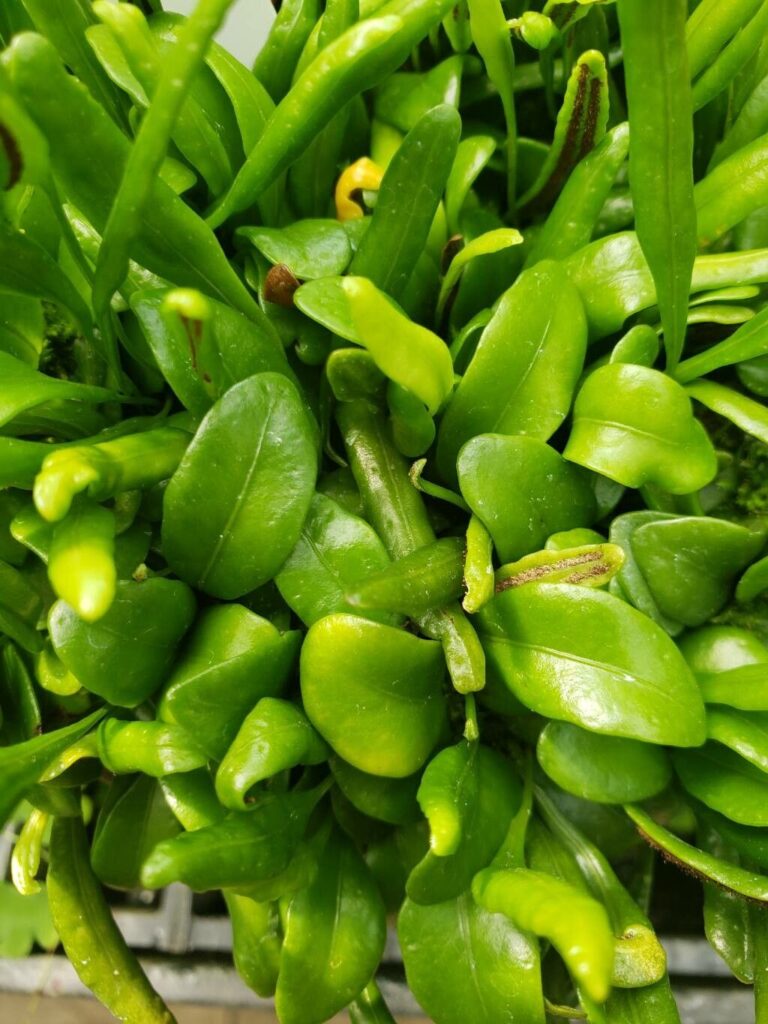
Tiny Ferns, Big Rewards: Propagating Lepisorus Microphyllus
Lepisorus microphyllus, also known as the “Dwarf Lepisorus” or “Micro-leaved Lepisorus,” is a charming fern that’s captivating the hearts of plant enthusiasts with its petite size and delicate foliage. But beyond its visual appeal lies a secret – its surprisingly easy propagation. Yes, you can easily expand your fern family by growing new plants from this tiny wonder!
Understanding the Basics
Lepisorus microphyllus, like most ferns, propagates through spores. These microscopic reproductive units are housed in tiny structures called sporangia, which are located on the undersides of the fern’s fronds. When mature, the sporangia release spores that, under the right conditions, germinate into new ferns.
Ready to Get Growing? Let’s Dive In!
1. Spore Collection:
- Time is Key: The best time to collect spores is when the sporangia turn brown or dark green, indicating maturity.
- Gentle Collection: Carefully use a small, clean brush or a cotton swab to gently brush the underside of the fronds, collecting the spores into a small container.
2. Spore Sowing:
- Prepare the Media: Use a sterile, well-draining mixture like peat moss, vermiculite, or a commercial seed-starting mix.
- Create a Seed Tray: Fill a seed tray or shallow container with the prepared mix, moisten it thoroughly, and allow it to drain.
- Scatter the Spores: Sprinkle the collected spores evenly over the surface of the medium, gently pressing them in lightly. Don’t bury them!
- Cover and Seal: Cover the tray with a transparent lid or plastic wrap to create a humid environment.
- Light and Temperature: Place the tray in a well-lit location, but avoid direct sunlight. Maintain a temperature between 70°F and 75°F (21°C to 24°C).
3. Patience is a Virtue:
- Germination: The spores can take several weeks to germinate, and sometimes even longer. Be patient!
- Maintaining Humidity: Regularly mist the growing medium to maintain high humidity. You want the spores to stay moist, but not soggy.
- Ventilation: As tiny green prothalli (the first stage of a fern’s life cycle) start to emerge, gradually increase ventilation by opening the lid or removing the plastic wrap for short periods each day. This will help prevent mold growth.
4. The Transformation Begins:
- Prothalli to Fernlets: Over time, the prothalli will develop heart-shaped structures and eventually produce tiny, fern-like fronds. These are the fernlets, your new baby ferns!
- Transplanting Time: Once the fernlets have several fronds, you can gently transplant them into individual pots filled with a well-draining, fertile potting mix.
Additional Tips:
- Sterilization: To prevent fungal infections, sterilize your tools and the growing medium before sowing the spores.
- Water Quality: Use filtered or distilled water to avoid introducing harmful minerals and chemicals into the growing environment.
- Ventilation: Always aim for good air circulation, especially after germination, to reduce mold risk.
- Light: Once the fernlets have grown, provide them with bright, indirect light.
Beyond Spores:
While spore propagation is the most common method, you can also try to divide mature Lepisorus microphyllus plants by carefully separating them into smaller divisions with their own roots.
Final Thoughts:
Propagating Lepisorus microphyllus is a rewarding process that not only expands your fern collection but also fosters a deep connection with the natural world. The journey from a microscopic spore to a lush, delicate fern is a testament to the resilience and beauty of nature, and a reminder that even the smallest things can bloom into something extraordinary. So, embrace the challenge, be patient, and watch as these tiny ferns fill your home with verdant charm.