
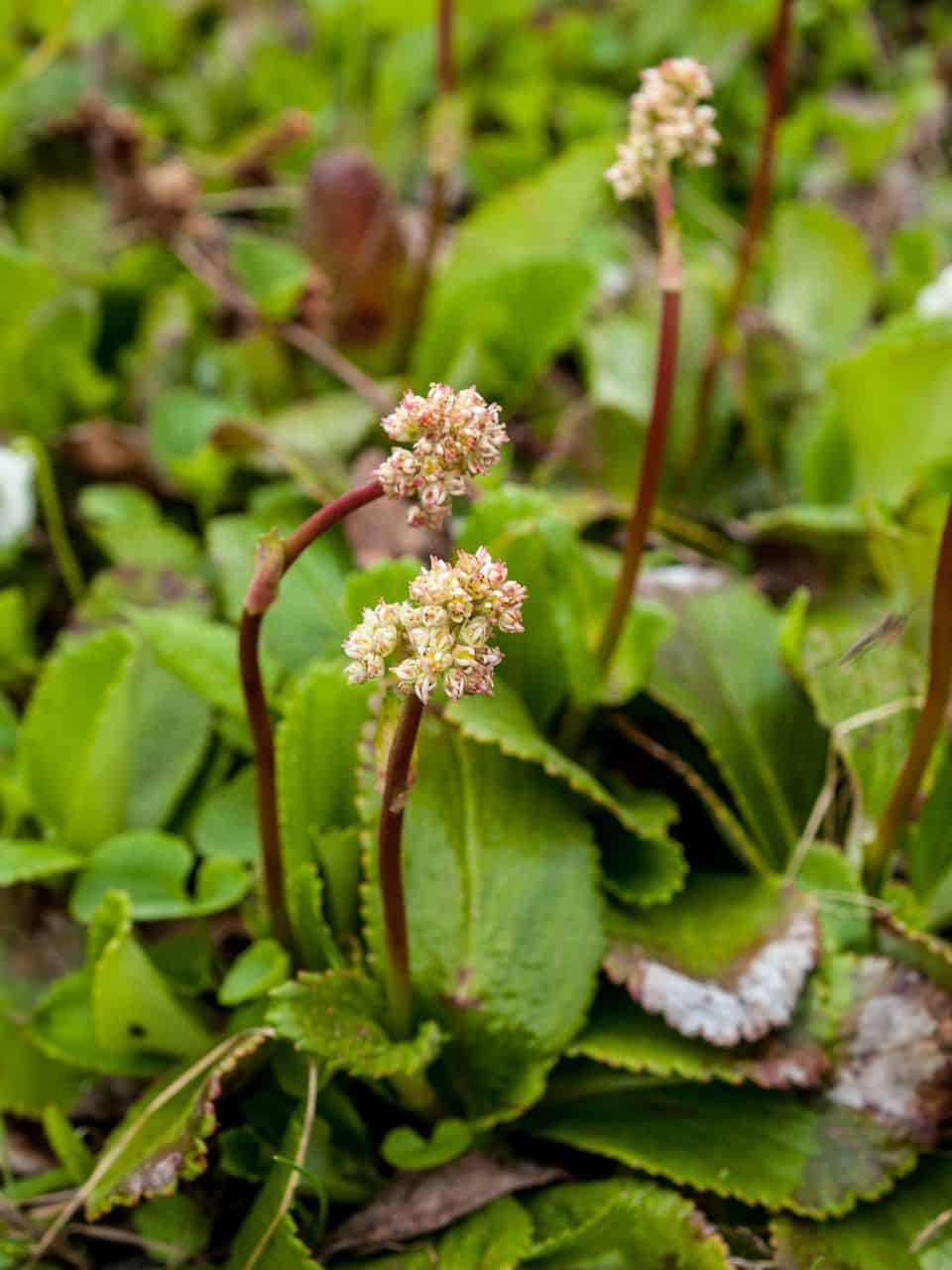
Unlocking the Secrets of Leptarrhena pyrolifolia: A Guide to Propagation
Leptarrhena pyrolifolia, also known as the leatherleaf saxifrage or just plain "Leptarrhena" to its friends, is a charming alpine plant beloved for its evergreen foliage and delicate white blooms. Native to the mountainous regions of Western North America, this hardy perennial thrives in cool, moist environments. If you’re lucky enough to have a spot in your garden that mimics its natural habitat, you might be wondering how to propagate Leptarrhena and share its beauty. Well, grab your gardening gloves, and let’s dig into the secrets of propagating this captivating alpine gem.
Method 1: Division – The Simplest Approach
For beginners, division is the easiest and most successful way to propagate Leptarrhena. Here’s how:
- Timing is Key: The best time to divide Leptarrhena is in early spring, just as new growth begins to emerge.
- Gentle Division: Gently dig up a mature plant, ensuring you get a good root ball. Using a clean, sharp knife or garden spade, carefully divide the plant into smaller sections, making sure each section has a healthy amount of roots and shoots.
- Replanting: Replant the divisions at the same depth they were originally growing, spacing them about 12 inches apart. Water thoroughly and keep the soil consistently moist.
Method 2: Seeds – A Test of Patience
Propagating Leptarrhena from seeds requires more patience and a bit more finesse, but it can be a rewarding experience.
- Seed Collection: Collect ripe seed capsules from the plant in late summer or early fall.
- Cold Stratification: Leptarrhena seeds require cold stratification to germinate. You can do this by sowing the seeds in a moist seed-starting mix, sealing them in a plastic bag, and storing them in the refrigerator for 6-8 weeks.
- Sowing Time: After stratification, sow the seeds in pots or trays filled with a well-draining seed starting mix. Press them lightly onto the surface but do not bury them.
- Patience is a Virtue: Keep the seed trays in a cool, bright location, and keep the soil consistently moist. Germination can take several weeks to a few months.
Caring for Your New Propagations:
Whether you chose division or seeds, providing the right conditions will help your new Leptarrhena plants thrive.
- Soil: Well-draining soil is crucial. Amending your soil with compost or peat moss can help improve drainage and provide nutrients.
- Light: Leptarrhena prefers shady locations or dappled sunlight. Avoid planting in areas with intense afternoon sun.
- Water: Maintain consistent moisture, especially during the first growing season. Leptarrhena prefers moist but not waterlogged soil.
- Fertilizer: A light application of a balanced, slow-release fertilizer in the spring can benefit your plants.
Propagating Leptarrhena pyrolifolia might require a touch of patience and care, but seeing these captivating plants multiply in your garden is a rewarding experience. So, don’t hesitate to try your hand at propagating this alpine treasure and bring a touch of mountain charm to your own backyard.