
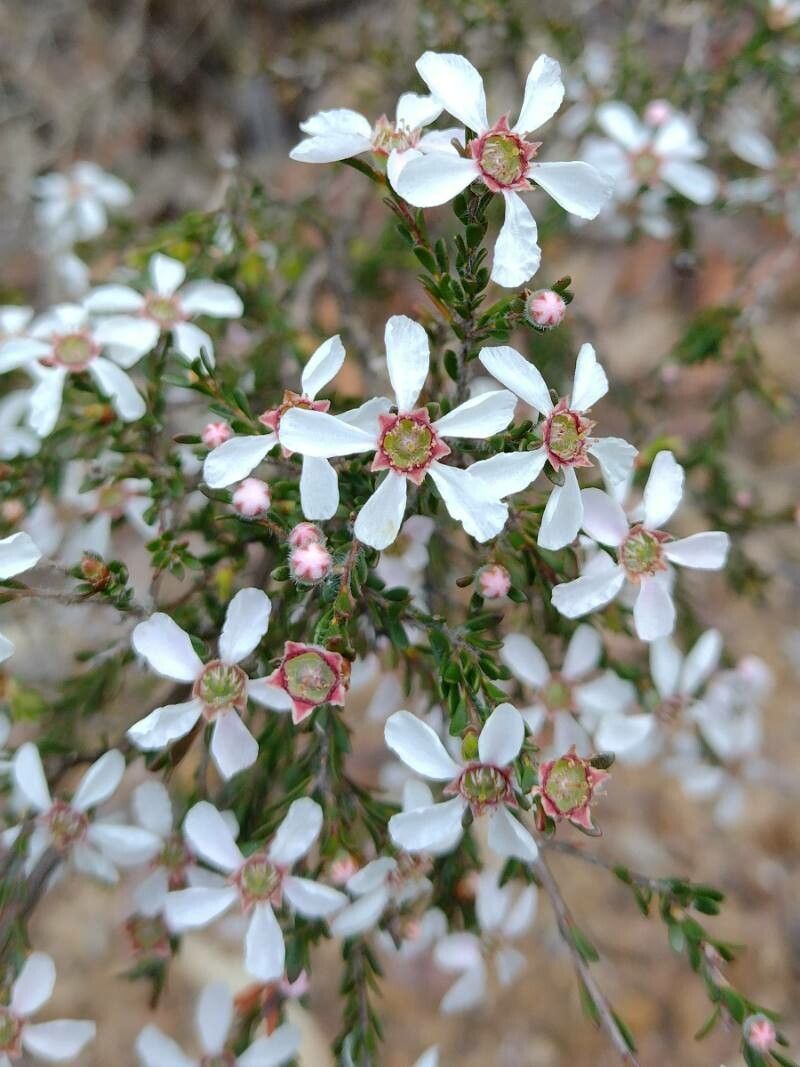
Taming the Tiny Tea Tree: A Guide to Propagating Leptospermum parvifolium
The Leptospermum parvifolium, also known as the Small Tea Tree or Coast Mallee, is a hardy and rewarding shrub native to Australia. Beloved for its delicate foliage, impressive hardiness, and charming white or pink flowers, it has become a favorite among gardeners looking to add a touch of Australian charm to their landscapes. But did you know that propagating this resilient beauty is an achievable feat even for novice gardeners?
This guide will equip you with the knowledge to propagate Leptospermum parvifolium successfully, allowing you to expand your garden with minimal cost and maximum satisfaction.
Understanding the Different Methods
While seeds can be used for propagation, they can be slow and unpredictable. Cuttings offer a faster and more reliable route to success, producing plants genetically identical to the parent.
1. Propagation from Seed:
- Collecting Seeds: Leptospermum parvifolium produces small, woody capsules that contain the seeds. Collect these capsules once they turn brown and dry on the plant.
- Sowing Seeds: Sow seeds in a well-draining seed-raising mix during spring or autumn. Lightly press the seeds onto the surface and barely cover them with a fine layer of mix.
- Germination Patience: Germination can be erratic and may take several weeks or even months. Be patient and provide consistent moisture and warmth.
2. Propagation from Cuttings:
- Choosing the Right Cuttings: The best time to take cuttings is in late spring or early summer when the new growth is semi-hardened. Look for healthy stems that are approximately 4-6 inches long and haven’t flowered yet.
- Preparing the Cuttings: Using clean, sharp shears, make a cut just below a leaf node. Remove the lower leaves, leaving only a few at the top.
- Promoting Root Development: Dip the cut end in rooting hormone powder to encourage faster root development (optional but helpful).
- Planting the Cuttings: Plant the prepared cuttings in a well-draining potting mix, burying at least one node below the surface.
- Creating a Humid Environment: Cover the pot with a clear plastic bag or use a propagation dome to maintain high humidity, which is crucial for successful rooting.
- Patience and Observation: Keep the cuttings in a warm, bright location out of direct sunlight. Keep the soil consistently moist but not waterlogged. Rooting can take 4-8 weeks, and new growth indicates successful rooting.
Caring for Your New Propagations
- Transplanting: Once the cuttings show signs of significant new growth, they can be transplanted into larger pots or directly into the garden.
- Soil and Sunlight: Leptospermum parvifolium thrives in well-drained soil and a sunny position.
- Watering: Water regularly until established, but avoid overwatering, which can lead to root rot.
Enjoy the Rewards!
Propagating your own Leptospermum parvifolium, whether from seed or cuttings, is a rewarding experience. The process allows you to connect with nature’s cycle of growth while filling your garden with these captivating plants. So, roll up your sleeves, gather your tools, and embark on the rewarding journey of propagating your own Small Tea Tree!