
Bringing the Beauty of Lespedeza Bicolor Home: A Guide to Propagation
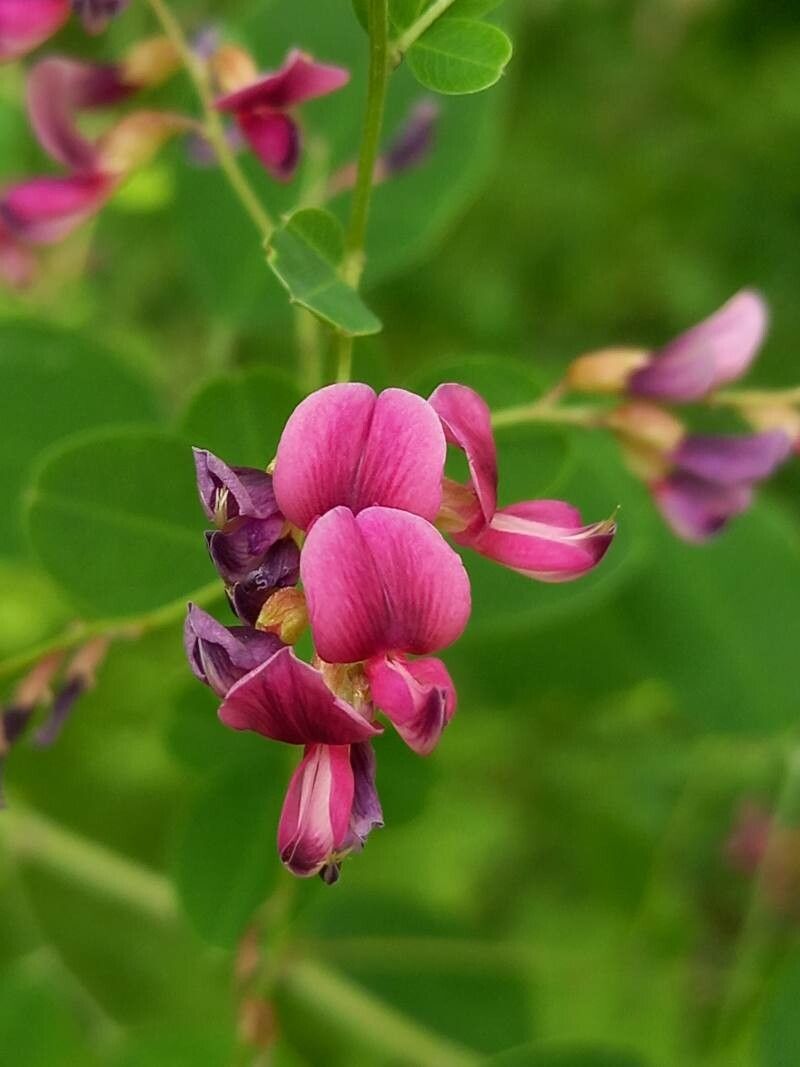
Lespedeza bicolor, with its vibrant purple blooms and graceful foliage, is a captivating addition to any garden. But what if you want to share this beauty with friends, fill your garden with more of these lovely plants, or even start from scratch with a new variety? The answer lies in propagation – the art of creating new plants from existing ones.
Two Main Approaches: Seeds and Cuttings
There are two primary methods for propagating Lespedeza bicolor:
From Seed: This is the most widely used method. Seeds are readily available from nurseries and online retailers. Lespedeza bicolor is a natural reseeder, meaning it readily drops seeds in the fall, offering another route to propagation.
- Seed Collection: Harvest seed pods in autumn when they turn brown and dry. Extract the seeds and store them in a cool, dry location until ready to sow.
- Sowing: Direct sow seeds in the spring after frost has passed, as Lespedeza bicolor prefers warm soil. Alternatively, start seeds indoors several weeks before the last expected frost for a head start.
- From Cuttings: This method offers a faster way to create new plants identical to the parent.
- Timing: The best time for taking cuttings is in the spring or summer.
- Process: Select healthy, non-flowering stems. Take a 4-6 inch cutting just below a node (the point where a leaf grows from the stem). Dip the cut end in rooting hormone and insert it into a pot filled with a moist rooting medium (e.g., perlite, vermiculite, or a mix of peat moss and perlite). Cover the pot with a plastic dome to maintain humidity, keeping the mixture moist.
- Roots: Once rooting occurs (usually in a few weeks), gradually acclimate the new plants to outdoor conditions and then transplant them to their final location.
Nurturing Your New Lespedeza Bicolor
Both seed-grown and cutting-rooted Lespedeza bicolor plants thrive in well-drained soil and full sun. It’s vital to water them consistently during the establishment phase, ensuring the soil never dries out completely.
Tips for Success
- Patience: Propagation takes time, so be patient and consistent. You can expect plants grown from seed to bloom in their second year, while cuttings often flower in the same year when properly rooted.
- Choose Healthy Starting Material: Always choose plants from healthy, vigorous stock for best results. With cuttings, make sure the selected stem is free from disease and pests. This will help minimize the risk of transferring undesirable traits to your new plant.
- Humidity Matters: Maintaining humidity is essential for successful rooting of cuttings. A plastic dome or bag helps create the right microclimate for root development.
- Location: Lespedeza bicolor is a lovely addition to gardens, meadows, and even naturalized areas. It’s a resilient plant that can handle a variety of conditions, but it prefers a sunny spot with well-drained soil.
Final Thoughts
Propagating Lespedeza bicolor is an enjoyable and rewarding experience. It gives you the opportunity to cultivate your own unique garden and share the vibrant beauty of this plant with friends, neighbors, and our natural environment.
Go ahead, try your hand at propagation! Start with seeds or cuttings, and watch as your Lespedeza bicolor thrives – a testament to your gardening skills and a stunning addition to your landscape.