
Propagating Lespedeza hirta: A Guide to Growing Sericea Lespedeza
Introduction:
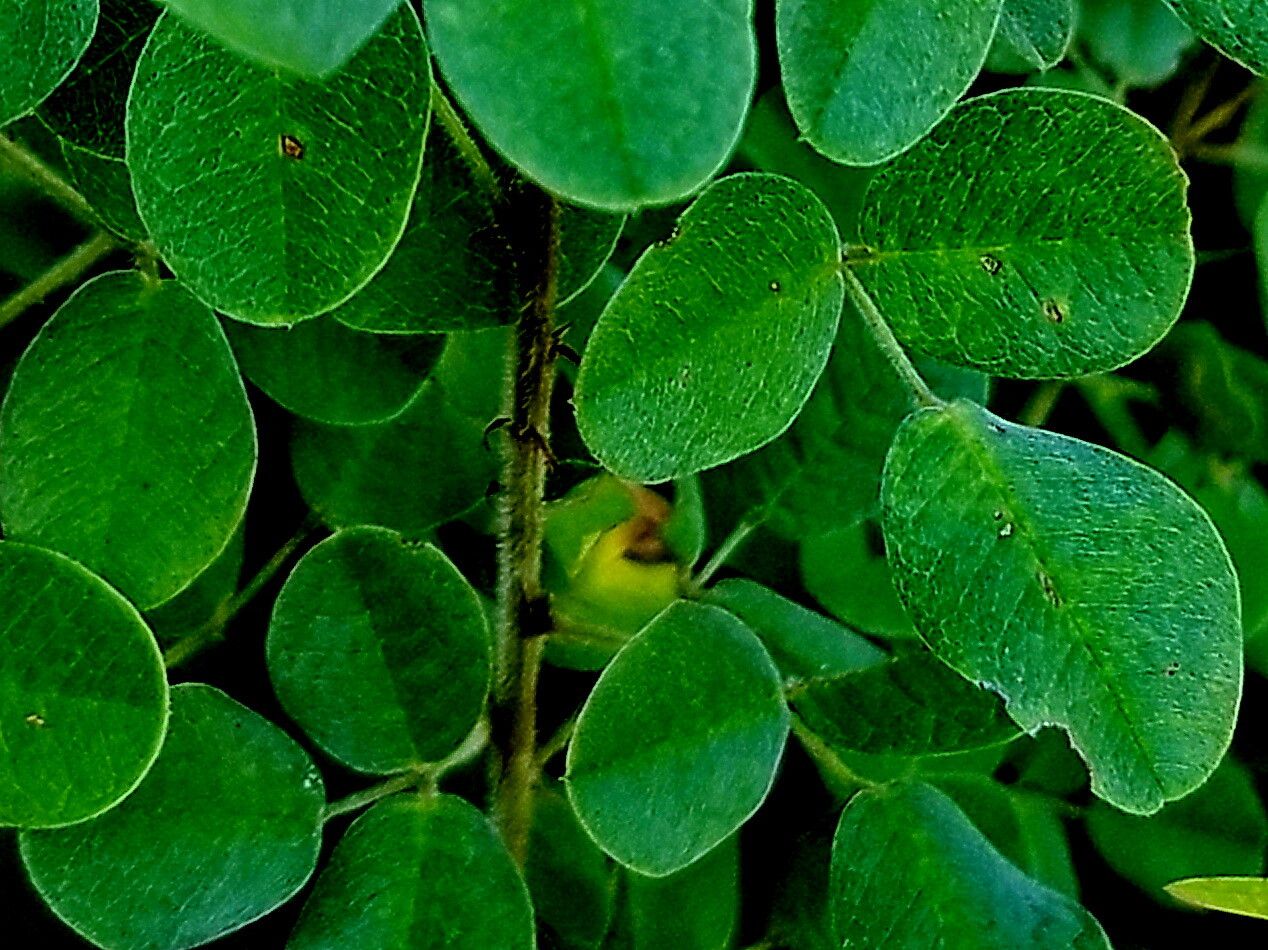
Lespedeza hirta, commonly known as Sericea lespedeza, is a perennial legume native to eastern North America. Characterized by its upright, bushy habit, delicate foliage, and profuse displays of small, pea-like flowers ranging from white to purple, it holds a significant place in both ecological restoration and home gardens. Its tolerance to poor soils and drought conditions makes it a valuable addition to landscaping projects aimed at attracting pollinators. While relatively easy to establish once grown, propagating Sericea lespedeza presents some unique challenges, offering a rewarding experience for the dedicated gardener. Its extensive root system also makes it an effective groundcover and soil stabilizer, making propagation particularly advantageous for conservation efforts.
Seed Germination:
Seed germination is a viable, albeit challenging, method for propagating Lespedeza hirta. The primary hurdle is seed dormancy. The hard seed coat inhibits water uptake, preventing germination. To overcome this, scarification is crucial. This can be achieved through mechanical methods like nicking the seed coat with sandpaper or file, or through chemical methods using concentrated sulfuric acid (requires caution and protective gear). After scarification, stratification—a cold, moist treatment—is often beneficial. Sow the scarified seeds in a well-draining seed starting mix, keeping the soil consistently moist but not waterlogged. Germination rates can still be erratic, but patience and consistent care will yield seedlings. The reward is high genetic diversity in the resulting plants and the potential for large-scale propagation – ideal for establishing large stands for conservation or restoration projects.
Cuttings:
Propagating Lespedeza hirta from cuttings presents significant challenges. While herbaceous cuttings might be attempted, their success rate is notoriously low. The plant’s inherent tendency to root from the lower nodes may offer limited opportunities, but success depends on numerous factors, including the timing of cuttings (optimally in early summer with non-flowering, semi-hardwood stems), humidity levels, and rooting hormone use. Even with optimal conditions, rooting is slow and unreliable. Therefore, this is not a recommended method for most gardeners.
Division:
Division is a reliable method for propagating established Lespedeza hirta plants. As the plant matures, it develops a robust root system suitable for division. The best time to divide is in early spring or fall. Carefully dig up the plant, gently tease apart the root mass, ensuring that each division retains a substantial portion of roots and several shoots. Replant the divisions in well-prepared soil, keeping them well-watered until established. Division offers faster establishment than seeds and provides a consistent clone of the parent plant but is limited by the availability of mature plants.
Tissue Culture:
Tissue culture techniques could potentially offer a way to propagate Lespedeza hirta on a larger scale, generating disease-free, genetically uniform plants. However, protocols specifically developed for Lespedeza hirta tissue culture are not widely available. Research and experimentation would be necessary to develop a reliable and efficient protocol. This method is generally reserved for professional nurseries or researchers due to the specialized equipment and expertise required. Until widely accessible protocols are developed, this is not a practical method for home propagation.
Conclusion:
Propagating Lespedeza hirta presents a spectrum of challenges and rewards. Seed germination, while difficult, provides the greatest genetic diversity, while division offers speed and consistency in replication. Cuttings and tissue culture are currently far less reliable options. The satisfaction of successfully cultivating this resilient plant, however, is well worth the effort. The perseverance required to overcome the obstacles associated with seed germination, or the careful technique needed for successful division, provides a unique sense of achievement. Whether you choose seeds or division, remember patience and consistent care are key to success. Do not be discouraged by initial setbacks – with persistence, you can enjoy the beauty and benefits of this valuable plant in your garden.