
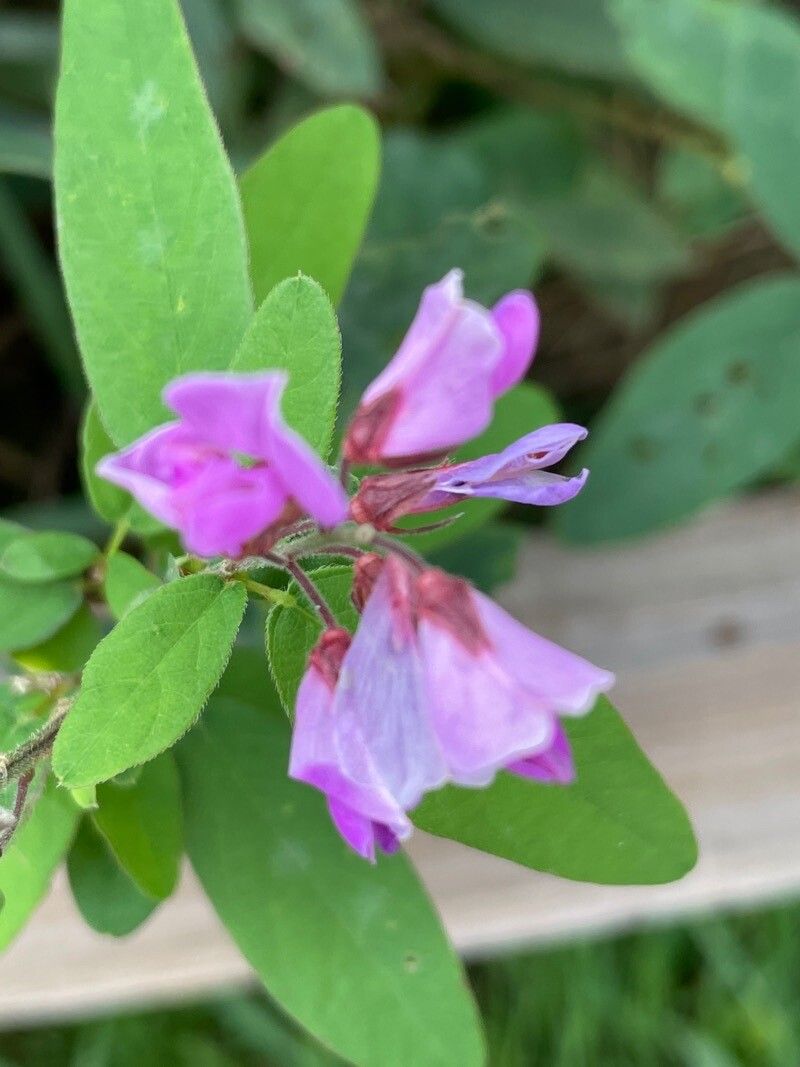
Waking the Sleeping Beauty: Propagating the Delicate Charm of Lespedeza Violacea
Lespedeza violacea, more affectionately known as Violet Bush Clover, is a North American native plant with an understated beauty. This delicate perennial boasts clusters of vibrant purple flowers that grace meadows and woodland edges from summer to fall. While often overlooked, those seeking to attract pollinators or simply add a touch of wild charm to their gardens would do well to consider this hardy, low-maintenance beauty. Fortunately, propagating Lespedeza violacea is a relatively straightforward process, rewarding gardeners with more of these enchanting blooms.
Two Paths to Propagation:
Violet Bush Clover can be propagated through two primary methods: seed and cuttings. Each technique offers its own advantages and considerations:
1. From Seed to Sprout: The Journey Begins
- Gathering the Goods: As the plant’s flowering season winds down in late summer or early autumn, you’ll notice small seed pods forming. Allow these pods to dry on the plant, turning a light brown, before collecting them.
- Breaking Dormancy’s Grip: Lespedeza violacea seeds have a natural dormancy that needs to be broken before they’ll readily germinate. Cold stratification is the key! In nature, winter’s chill takes care of this. You can mimic these conditions by placing the seeds in a moistened paper towel within a sealed plastic bag and storing them in the refrigerator for 6-8 weeks.
- Sowing the Seeds: Once stratified, sow your seeds in a seed-starting mix, covering them lightly with soil. Keep the soil consistently moist and warm (around 70°F) until germination, which usually occurs within 2-3 weeks.
- Transplanting Triumph: Once your seedlings develop a few sets of true leaves, they’re ready to be transplanted outdoors after the last frost has passed.
2. Cuttings: A Shortcut to Success
- Timing is Everything: The best time to take cuttings is in late spring or early summer when the plant is actively growing.
- Selecting the Perfect Cut: Choose healthy, non-flowering stems about 4-6 inches long. Make a clean cut just below a leaf node. Remove the lower leaves from the cutting, leaving 2-3 leaves at the top.
- Rooting Hormone Boost: While not strictly necessary, dipping the cut end in rooting hormone powder can increase the chances of successful rooting.
- Creating the Ideal Environment: Plant your cuttings in a well-draining potting mix and keep them consistently moist. Covering the pot with a plastic bag helps to create a humid environment.
- Patience is a Virtue: Rooting can take several weeks. Once you see new growth, you’ll know your cutting has successfully rooted. Transplant your rooted cuttings to individual pots or outdoors after they’ve had time to establish themselves.
Nurturing Your New Arrivals:
Whether you choose to start from seed or cuttings, ensuring the success of your Lespedeza violacea propagation requires providing the right growing conditions:
- Sunlight Needs: Violet Bush Clover thrives in full sun to partial shade.
- Well-Drained Soil: Choose a location with well-drained soil as this plant doesn’t tolerate soggy roots.
- Watering Wisdom: Water regularly until established, then water deeply during periods of drought.
Propagating Lespedeza violacea is a rewarding endeavor, allowing you to multiply these graceful plants and spread their beauty throughout your garden. With a bit of patience and care, you’ll soon be enjoying the delicate charm of their violet blooms, attracting pollinators and creating a captivating natural haven in your own backyard.