
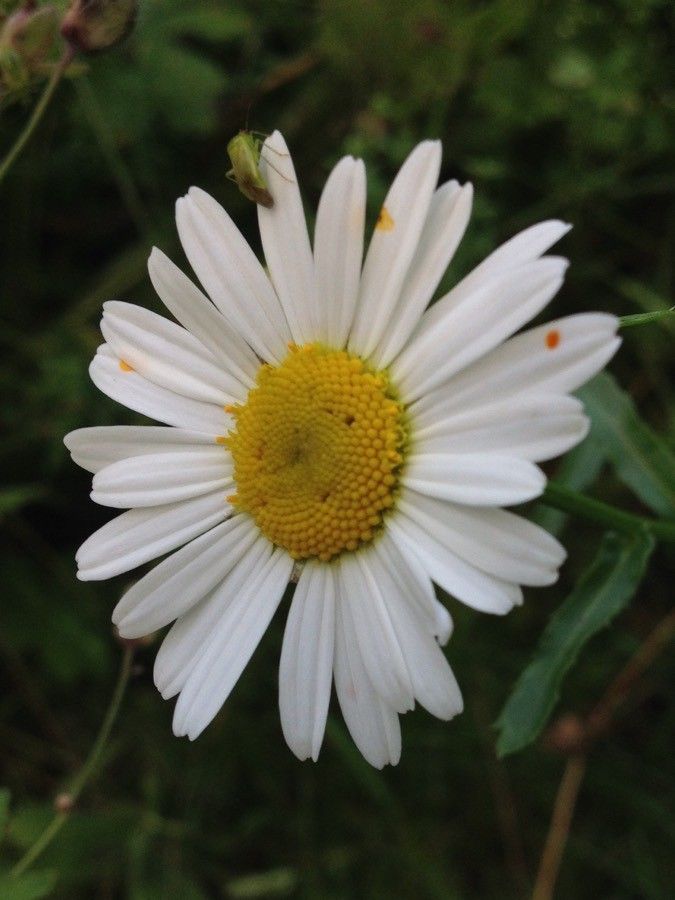
Multiply Your Daisies: The Complete Guide to Propagating Leucanthemum Vulgare
Leucanthemum vulgare, more affectionately known as the Oxeye Daisy, is a cheerful sight in any garden. Its bright white petals and sunny yellow centers bring a touch of wildflower charm to borders, meadows, and even containers. But did you know that multiplying this beloved perennial is easier than you might think? Whether you want to expand your own daisy patch or share the joy with friends, this guide will equip you with all the knowledge you need to propagate Leucanthemum vulgare successfully.
Three Methods for Daisy Domination
Nature has gifted Leucanthemum vulgare with resilience and a knack for reproduction. This means you have a few different techniques at your disposal:
1. Seed Starting: A Budget-Friendly Approach
- Timing: Start seeds indoors 6-8 weeks before the last expected frost or sow directly in the garden after the danger of frost has passed.
- Process:
- Scatter seeds on the surface of well-draining seed starting mix and lightly press them in.
- Keep the soil consistently moist but not soggy.
- Provide bright, indirect light.
- Once seedlings have a few sets of true leaves, they can be hardened off and transplanted outdoors.
- Pros: An inexpensive way to get a large number of plants.
- Cons: Can take longer for plants to mature and bloom.
2. Division: The Gift That Keeps on Giving
- Timing: Early spring or fall are ideal times to divide established clumps.
- Process:
- Carefully dig up a mature plant, ensuring you get a good root ball.
- Use a sharp, clean knife or garden spade to divide the plant into sections, ensuring each section has a healthy amount of roots and shoots.
- Replant the divisions at the same depth they were previously growing, water thoroughly, and mulch well.
- Pros: The fastest way to get blooming plants, helps rejuvenate older clumps.
- Cons: Requires existing plants.
3. Cuttings: Cloning Your Favorites
- Timing: Late spring or early summer is the best time to take cuttings.
- Process:
- Select a healthy, non-flowering stem.
- Using a sharp, clean knife or pruning shears, take a 4-6 inch cutting just below a leaf node.
- Remove the lower leaves, leaving a few at the top.
- Dip the cut end in rooting hormone (optional but helpful).
- Plant the cutting in a pot filled with a well-draining potting mix.
- Keep the soil consistently moist and provide bright, indirect light.
- Roots should develop in 4-6 weeks.
- Pros: Allows you to make exact copies of specific plants.
- Cons: Slightly more involved than division, requires a bit more patience.
Tips for Propagation Success
- Well-draining Soil: Leucanthemum vulgare thrives in soil that doesn’t stay waterlogged.
- Sunlight: These daisies adore sunshine, so choose a location in your garden that receives at least 6 hours of direct sunlight per day.
- Patience is a Virtue: While division offers almost instant gratification, remember that seed starting and taking cuttings require time for the plants to establish themselves.
Enjoy Your Daisy Bounty
Propagating Leucanthemum vulgare is a rewarding process that allows you to enjoy even more of these sunny blooms. With a little effort and care, you can easily multiply your daisies and create a garden filled with their cheerful charm year after year.