
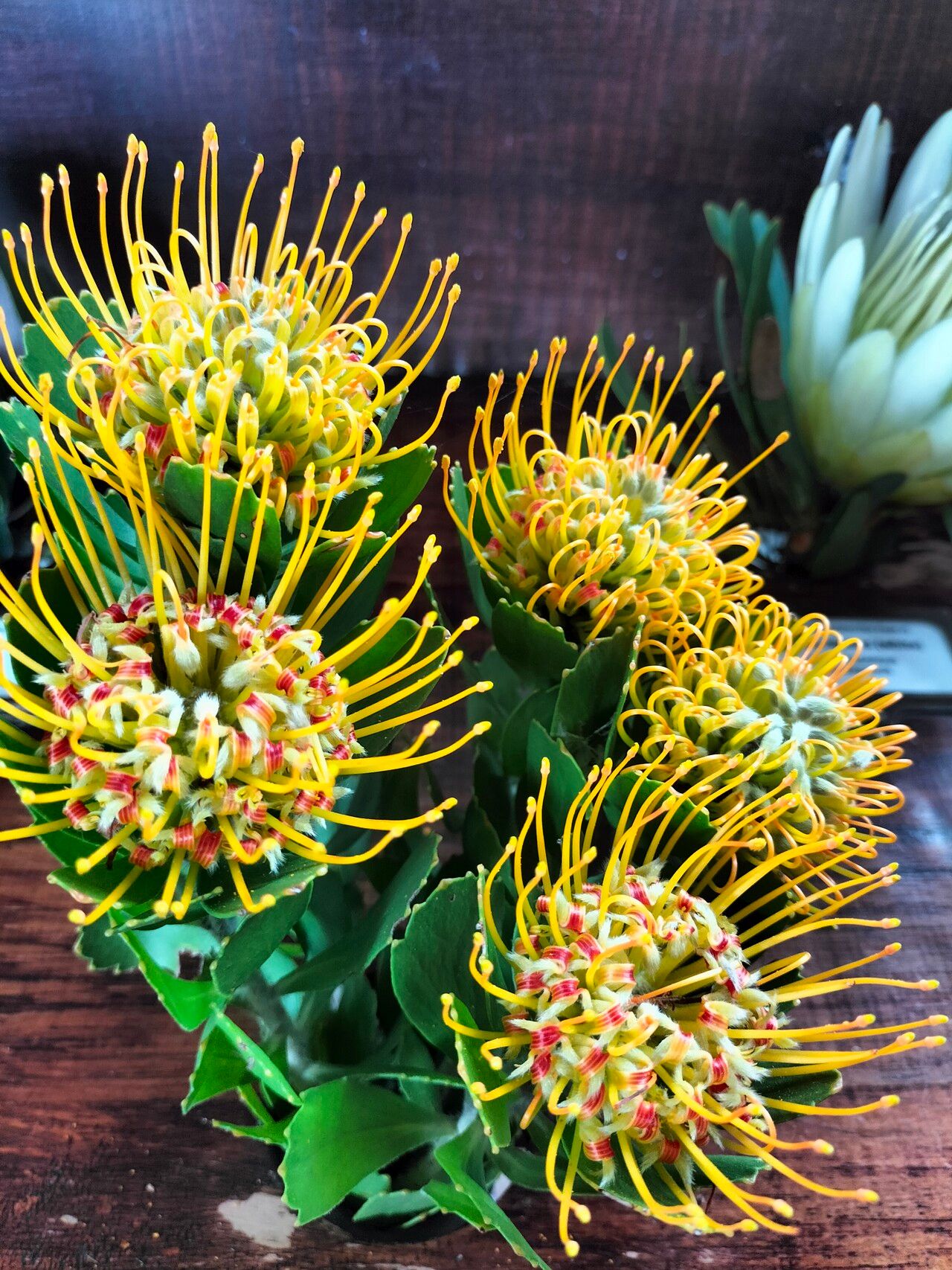
Taming the Firewheel: Propagating Leucospermum cuneiforme at Home
The Leucospermum cuneiforme, more affectionately known as the “Firewheel Pincushion,” captivates with its vibrant, fiery blooms that resemble, well, pincushions ablaze. Native to South Africa, this evergreen shrub, with its unique foliage and show-stopping flowers, can be a striking addition to any sunny garden or a conversation starter on your patio. But how do you bring this fiery beauty into your life? While acquiring a mature plant is always an option, propagating your own Firewheel Pincushion can be a rewarding experience.
This guide will equip you with the knowledge to propagate Leucospermum cuneiforme successfully:
Understanding your options:
Two primary methods exist for propagating Firewheel Pincushions:
- The Adventure Route: Propagating from seed is like embarking on a botanical adventure. It requires more patience but is incredibly fulfilling.
- Sourcing your treasure: Look for fresh seeds from a reputable supplier or try harvesting them directly from dried flower heads (ensure they’re brown and papery).
- Sowing the seeds:
- Timing is key: The ideal time for sowing is late winter or early spring.
- Creating the perfect nursery: Utilize a well-draining seed-raising mix and sow seeds at a depth of about ½ inch.
- Patience, young Padawan: Germination can take anywhere from a few weeks to a couple of months.
- Light and water: Maintain consistent moisture and provide bright, indirect light.
Cutting Propagation:
- The Fast Track: If you prefer a quicker and potentially more reliable method, cuttings are the way to go.
- Choosing the right moment: Take semi-hardwood cuttings in late summer or early fall when the plant is not actively flowering.
- Making the cut:
- Select healthy, non-flowering stems for your cuttings. Aim for sections around 4-6 inches long.
- Make a clean cut just below a leaf node.
- Encouraging root development:
- Remove the lower leaves from the cutting, leaving only a couple at the top.
- Dip the cut end in rooting hormone to accelerate the process (optional but highly recommended).
- Plant the cuttings in a well-draining mix of peat and perlite.
- Creating a humid environment: Cover the cuttings with a plastic bag or use a propagator to retain moisture.
- Light and water: Provide bright, indirect light and mist regularly to maintain humidity.
- Rooting Success!: Within a few weeks, you should start seeing new growth, indicating successful rooting.
Transplanting your Firewheel:
- Once your seedlings or cuttings have developed a strong root system, they’re ready for transplantation.
- Choose a location with full sun and well-drained soil.
- Be sure to harden off your plants gradually acclimatize them to outdoor conditions before permanently planting them in the ground.
Caring for your Fiery Masterpiece:
- Watering Wisely: Water deeply but infrequently, allowing the soil to dry out between waterings. Avoid overwatering, as Firewheel Pincushions are susceptible to root rot.
- Feeding for Flourishing: Feed your plants during the growing season (spring and summer) with a balanced, slow-release fertilizer.
- Pruning for Shape and Health: Prune lightly after flowering to maintain shape and encourage bushier growth.
Propagating your own Leucospermum cuneiforme might require a touch of patience and care, but the reward of watching your very own Firewheel Pincushion bloom is well worth the effort. So, channel your inner plant parent, roll up your sleeves, and get ready to welcome a burst of fiery beauty into your world!