
Unleashing the Fiery Beauty of Pincushion Proteas: A Guide to Propagating Leucospermum oleifolium
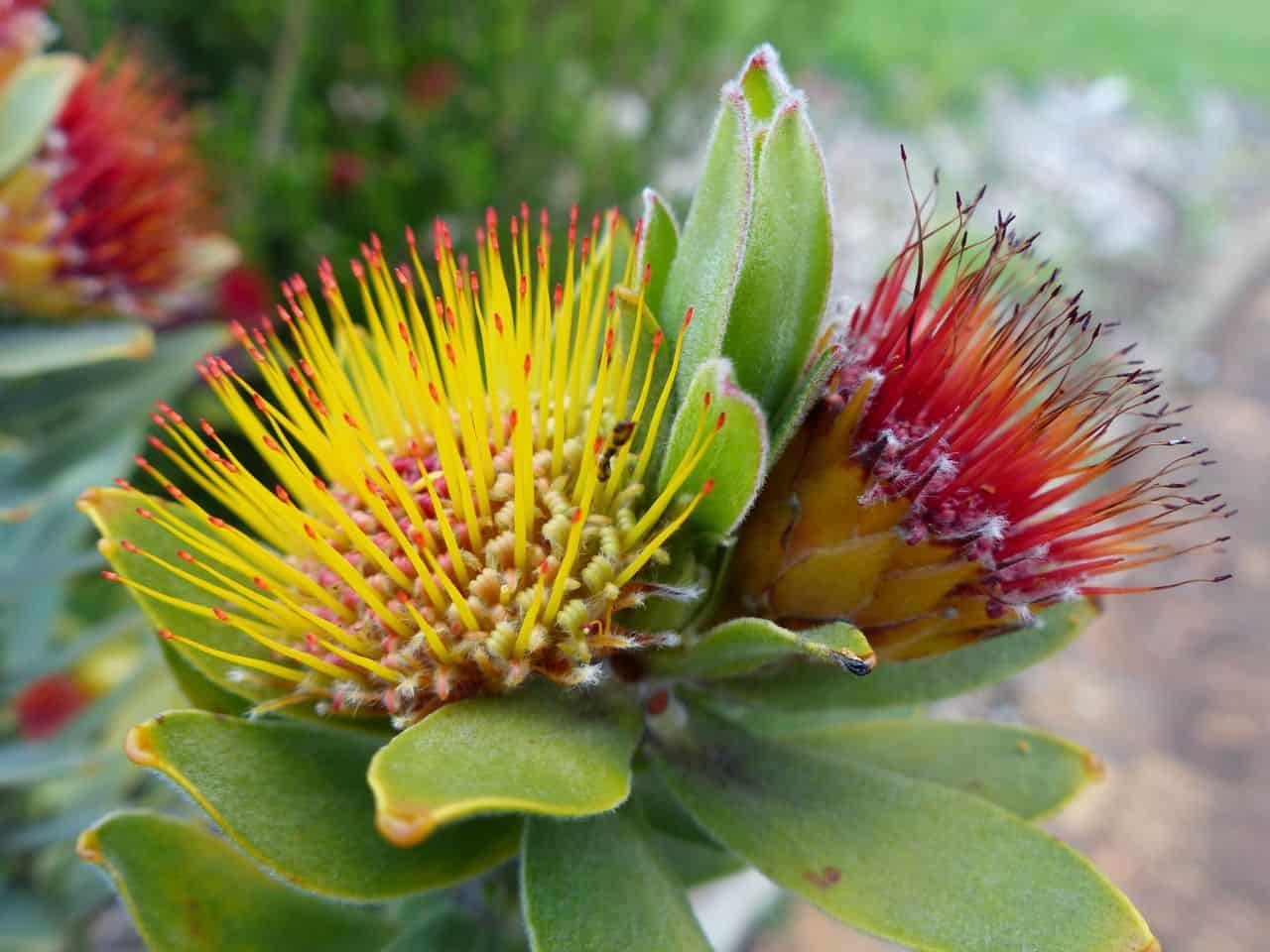
The Leucospermum oleifolium, more commonly known as the Overberg pincushion, is a showstopping shrub native to South Africa. Bursting with vibrant, pin-shaped blooms that resemble, you guessed it, pincushions, this plant is a magnet for bees and birds, and a guaranteed conversation starter in any garden.
While readily available in nurseries, propagating your own Leucospermum oleifolium is a rewarding challenge that lets you experience the magic of plant parenthood firsthand. Let’s explore two methods you can use:
1. Seed Propagation: A Test of Patience
Timing is Key: Sow your seeds in the fall (March-May in the Southern Hemisphere or September-November in the Northern Hemisphere) when temperatures are cooler.
Prep Your Seedbed: Use a well-draining, slightly acidic seed-starting mix. You can create this by mixing equal parts peat moss, perlite, and sand.
Sow With Care: The seeds need light to germinate. Scatter them on the surface of the soil and press them in gently without burying them. Mist the soil with water, ensuring it’s damp but not soggy.
Patience is a Virtue: Germination can take anywhere from a few weeks to a few months. Keep the soil consistently moist and place the seed tray in a bright spot, but out of direct sunlight.
- Transplanting Time: Once the seedlings have developed a few sets of true leaves and are large enough to handle, transplant them into individual pots. Gradually acclimatize them to outdoor conditions before planting them in their permanent location.
2. Semi-Hardwood Cuttings: A Quicker Route to Success
The Right Time and Branch: Take cuttings in late summer or early fall from healthy, non-flowering shoots that have just started to harden.
Cutting Technique: Using clean, sharp pruning shears, take cuttings that are about 4-6 inches long. Make the cut just below a node (where the leaf joins the stem).
Prepare the Cuttings: Remove the leaves from the lower half of the cutting. Dip the cut end in rooting hormone powder to encourage root development.
Planting Time: Plant the cuttings in a pot filled with a well-draining rooting mix (a 50/50 mix of peat moss and perlite works well). Bury the bottom node of the cutting into the mix.
Humidity is Key: Cover the pot with a clear plastic bag or use a propagation dome to create a humid environment.
- Root Development: Keep the cuttings in a warm, bright location out of direct sunlight. Rooting should occur in 6-8 weeks. Once the cuttings show new growth, you can transplant them to larger pots.
Essential Tips for Success
Well-Drained Soil: Leucospermum oleifolium is highly susceptible to root rot, so excellent drainage is crucial throughout its lifecycle.
Sun-Kissed Location: Choose a sunny spot for your plants. They thrive in at least 6 hours of direct sunlight daily.
Watering Wisely: Water deeply but infrequently, allowing the soil to dry out slightly between waterings.
- Pruning Power: Prune your plants regularly to maintain their shape and encourage bushier growth. The best time to prune is after flowering.
A Rewarding Journey:
Propagating Leucospermum oleifolium might require a bit of patience and attention, but the reward of seeing these stunning flowers bloom in your own garden is well worth the effort. So why not roll up your sleeves, get your hands dirty, and embark on this exciting horticultural adventure? You’ll be captivated by the fiery beauty you cultivate.