
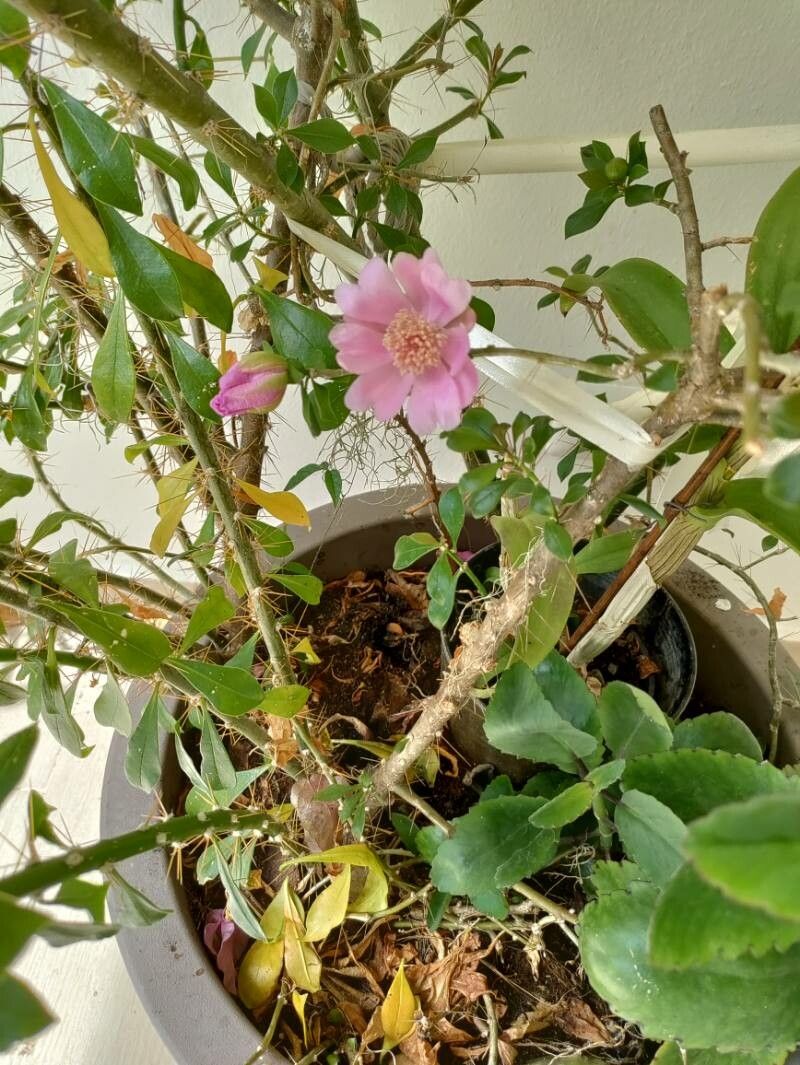
Taming the Thorny Treasure: A Guide to Propagating the Rare Leuenbergeria Quisqueyana
The Leuenbergeria quisqueyana, also known as the Dominican cactus tree, is a sight to behold. This rare and endangered succulent, with its striking, bottle-shaped trunk and crown of thorny branches, can add a touch of the exotic to any plant collection. But obtaining one can be tricky, often leaving plant enthusiasts wondering: can I grow my own?
The answer is a resounding yes! While challenging, propagating Leuenbergeria quisqueyana is achievable with patience and the right techniques. This guide will equip you with the knowledge to bring new life to this fascinating species.
Seeds: A Test of Patience
Propagating from seed is considered the most reliable method, though it requires a long-term commitment. Here’s how to embark on this rewarding journey:
- Source Authentic Seeds: Obtaining viable seeds is crucial. Reputable online succulent retailers are your best bet.
- Prepare a Well-Draining Medium: This cactus despises soggy roots. Use a specialized cactus mix or create your own with equal parts potting soil, perlite, and coarse sand.
- Sow with Care: Sprinkle the seeds on the surface of the moistened mix, pressing them in lightly. Do not bury them.
- Provide Warmth and Humidity: Cover the container with a plastic wrap to trap humidity and place it in a bright location with temperatures around 70-80°F (21-27°C).
- Germination: A Waiting Game: Be patient! Germination can take anywhere from a few weeks to several months. Keep the soil consistently moist but not waterlogged.
- Transplant with Caution: Once the seedlings are a few inches tall, carefully transplant them into individual pots with well-draining soil.
Cuttings: A Quicker, Yet Trickier Route
Propagating from cuttings can be faster, but success is less guaranteed. Here’s how to give it your best shot:
- Choose Healthy Material: Select a branch segment that’s at least 6 inches long from a healthy, mature plant.
- Let the Wound Heal: Allow the cut end of the branch to callus over, which may take a week or two.
- Dip in Rooting Hormone (Optional): While not essential, dipping the calloused end in rooting hormone can increase the odds of success.
- Plant in Well-Draining Medium: Use the same mix recommended for seeds and insert the calloused end of the cutting into the soil.
- Provide Indirect Light and Warmth: Place the cutting in a bright location out of direct sunlight. Maintaining warm temperatures (around 70-80°F) is vital for root development.
- Water Sparingly: Only water when the soil is completely dry. Overwatering is the fastest way to doom your cutting.
Patience: The Key Ingredient
Regardless of the method you choose, patience is paramount when propagating Leuenbergeria quisqueyana. These succulents grow slowly, and it will take several years for them to develop their characteristic bottle shape. But with dedication and the right care, you can propagate these thorny treasures and contribute to the preservation of this fascinating and rare species.