
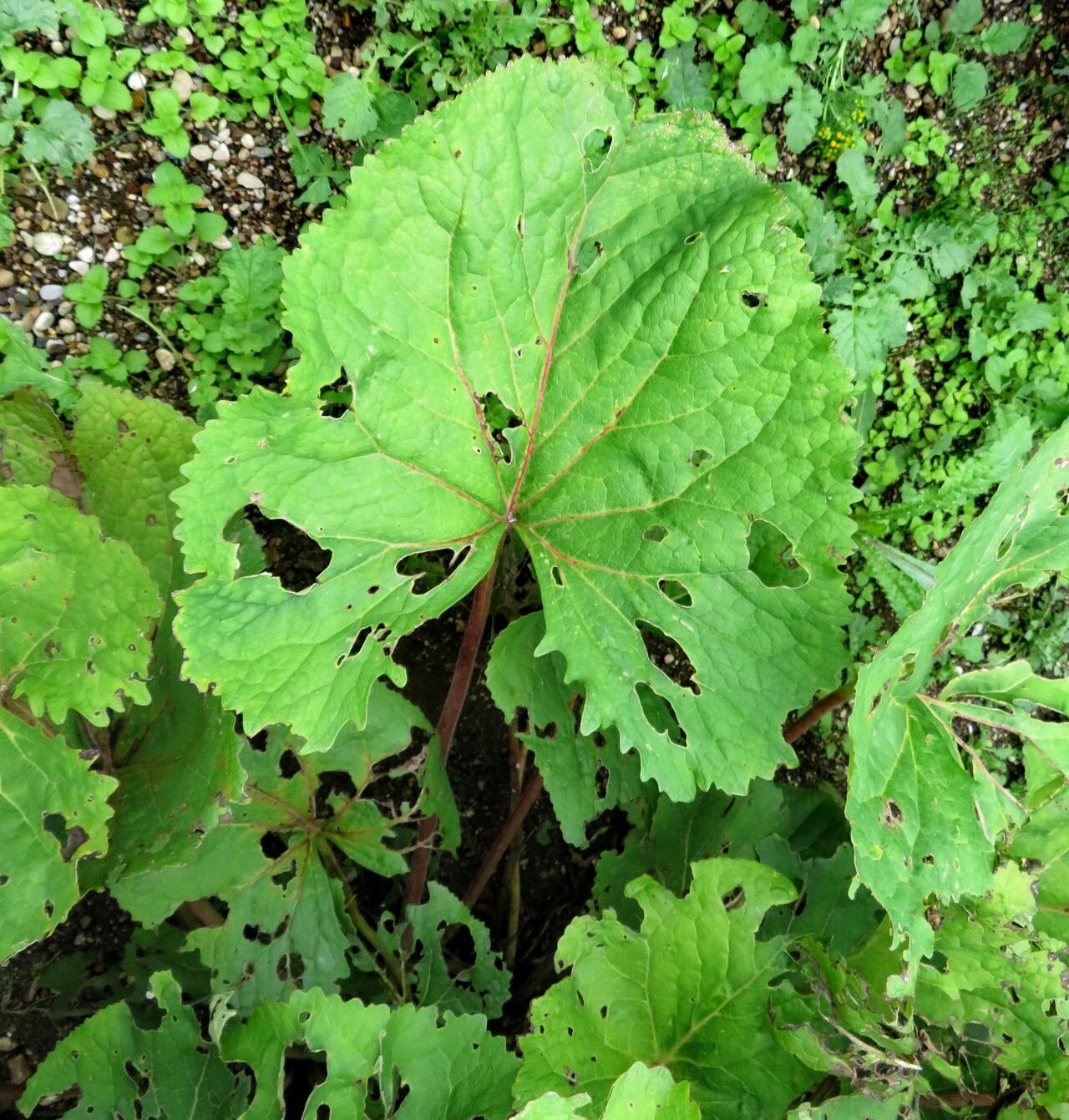
Unleash the ‘Rocket’ Within: Propagating Your Ligularia Dentata for a Lush Garden Oasis
Ligularia dentata, with its dramatic foliage and vibrant blooms, is a showstopper in any garden. But did you know that multiplying this beauty doesn’t require a green thumb or a magic wand? Propagating your own Ligularia, also known as ‘Leopard Plant’ or ‘Bigleaf Ligularia’, is surprisingly straightforward, allowing you to expand your garden’s splendor without breaking the bank. Let’s explore the two most effective methods: division and seed propagation.
Division: The Gift that Keeps on Growing
Division is the most common and reliable method for propagating Ligularia dentata. It capitalizes on the plant’s natural tendency to form clumps, essentially splitting one plant into multiple. This method offers a high success rate and delivers mature plants ready to thrive. Here’s how:
Timing is Everything: Early spring, just as new growth emerges, is the ideal time for division. Cooler temperatures and ample moisture will aid in root establishment.
Gently Unearth Your Treasure: Using a sharp spade or garden fork, carefully lift the entire clump from the ground. Be sure to dig a wide circle around the plant to avoid damaging the roots.
Divide and Conquer: Once lifted, gently tease apart the clump into smaller sections, each containing a healthy portion of roots and shoots. You can use two garden forks back-to-back to gently pry apart stubborn clumps.
- Replant and Rejuvenate: Replant the divisions at the same depth they were originally growing, ensuring ample spacing between each plant (about 2-3 feet apart). Water deeply and keep the soil consistently moist as the plants establish.
Seed Propagation: Nurturing New Beginnings
While division offers quick results, propagating Ligularia dentata from seed presents a rewarding challenge for the adventurous gardener. Here’s a step-by-step guide:
Gather Your Bounty: Ligularia dentata typically blooms in late summer to early fall. As the flowers fade, they’ll be replaced by seed heads. Allow these to dry completely on the plant before collecting.
Sow the Seeds of Success: In spring, sow the seeds in seed trays filled with a well-draining seed starting mix. Barely cover the seeds with soil and mist lightly.
Patience is Key: Find a warm, bright location for your seed trays, but out of direct sunlight. Keep the soil consistently moist. Germination can take several weeks.
- Transplanting Triumph: Once the seedlings have developed several sets of true leaves, transplant them into individual pots and continue to grow them on until they are large enough to plant out in the garden.
Tips for Propagation Success:
Well-Drained Soil: Ligularia dentata prefers moist, well-drained soil. Amend heavy clay soils with compost or other organic matter to improve drainage.
Partial Shade is Best: While Ligularia dentata tolerates full sun in cooler climates, it thrives in partial shade, especially during the hottest parts of the day.
- Consistent Moisture: Regular watering is crucial for this moisture-loving plant, especially during dry spells.
Propagating your own Ligularia dentata is a fulfilling endeavor that rewards you with an abundance of these architectural beauties. Whether you choose division for its efficiency or seed propagation for a sense of accomplishment, you’ll be met with lush foliage and stunning blooms, transforming your garden into a truly remarkable sanctuary.