
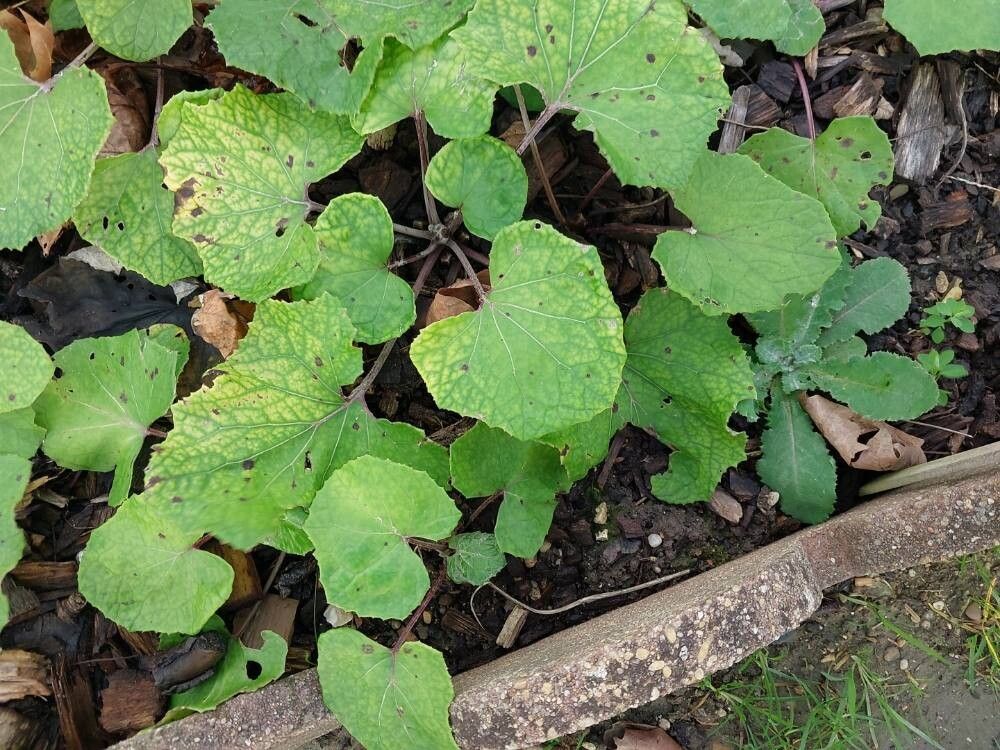
Propagating Ligularia mongolica: A Gardener’s Guide to the Mongolian Giant
Ligularia mongolica, also known as the Mongolian giant or elephant ear ligularia, is a striking herbaceous perennial prized for its impressive, heart-shaped, dark green leaves and tall, bright yellow flower stalks. Its bold presence in the garden makes it a popular choice among gardeners seeking architectural impact and a touch of the exotic. The large size of the plant and its rhizomatous growth habit significantly influence propagation methods, imposing certain challenges while offering unique rewards.
Seed Germination:
Currently, there are no known reliable methods for seed germination propagation of Ligularia mongolica. While seeds may be produced, their germination rate is notoriously low and unpredictable, making this method impractical for most gardeners. Further research may reveal successful techniques, but currently, relying on seed propagation for this species is not recommended.
Cuttings:
Propagating Ligularia mongolica from cuttings presents moderate challenges. While stem cuttings are theoretically possible, success rates are generally low. The large leaves transpire rapidly, leading to wilting before root formation.
Challenges: High transpiration rates resulting in wilting are the primary hurdle. The thick, fleshy stems also resist rooting easily.
Practical Tips: If attempting stem cuttings, use basal cuttings (taken from the base of the stem) and a rooting hormone. Employ a high-humidity environment (e.g., propagation dome or plastic bag) to minimize water loss. Use a well-draining, sterile rooting medium.
Rewards: Successful propagation from cuttings offers a relatively quick way to increase the number of plants, though it’s not consistently reliable compared to other methods.
Division:
Division is the most reliable and commonly used method for propagating Ligularia mongolica. This takes advantage of its rhizomatous nature.
Challenges: The large size of established plants can make division physically demanding. Incorrect division can damage the rhizomes, leading to plant failure.
Practical Tips: Divide in spring or early autumn, when the plant is actively growing or becoming dormant. Ensure each division has a healthy portion of rhizome and several actively growing buds or shoots. Plant the divisions immediately after separating them, providing ample space for growth.
Rewards: Division offers the highest success rate, allowing the gardener to easily increase the number of plants and maintain genetic uniformity. It’s a relatively quick and manageable process, especially with established plants.
Tissue Culture:
Tissue culture offers a potential, albeit specialized, method for propagating Ligularia mongolica.
Challenges: This method requires specialized equipment, sterile conditions, and expertise in plant tissue culture techniques. It’s expensive and not readily accessible to home gardeners.
Practical Tips: This method requires a controlled laboratory environment and is best left to professional nurseries specializing in plant propagation.
Rewards: Tissue culture allows for the large-scale propagation of genetically identical plants, offering high success rates and efficient production. It can also be used to eliminate diseases and pests.
Conclusion:
Propagating Ligularia mongolica presents a spectrum of challenges and rewards depending on the chosen method. While seed germination is currently unreliable, division offers the most practical and successful approach for gardeners. Cuttings can be attempted, but success requires patience and attention to detail. Tissue culture offers a high-output method but requires specialized expertise and resources.
The unique satisfaction derived from successfully cultivating Ligularia mongolica lies in overcoming these challenges. The plant’s impressive scale and dramatic beauty are well worth the effort invested in propagation. Beginners are strongly encouraged to start with division; however, even experienced propagators may find the plant’s quirks rewarding when successfully propagated using less common methods. The journey itself, with its mix of successes and setbacks, is all part of the captivating process of gardening.