
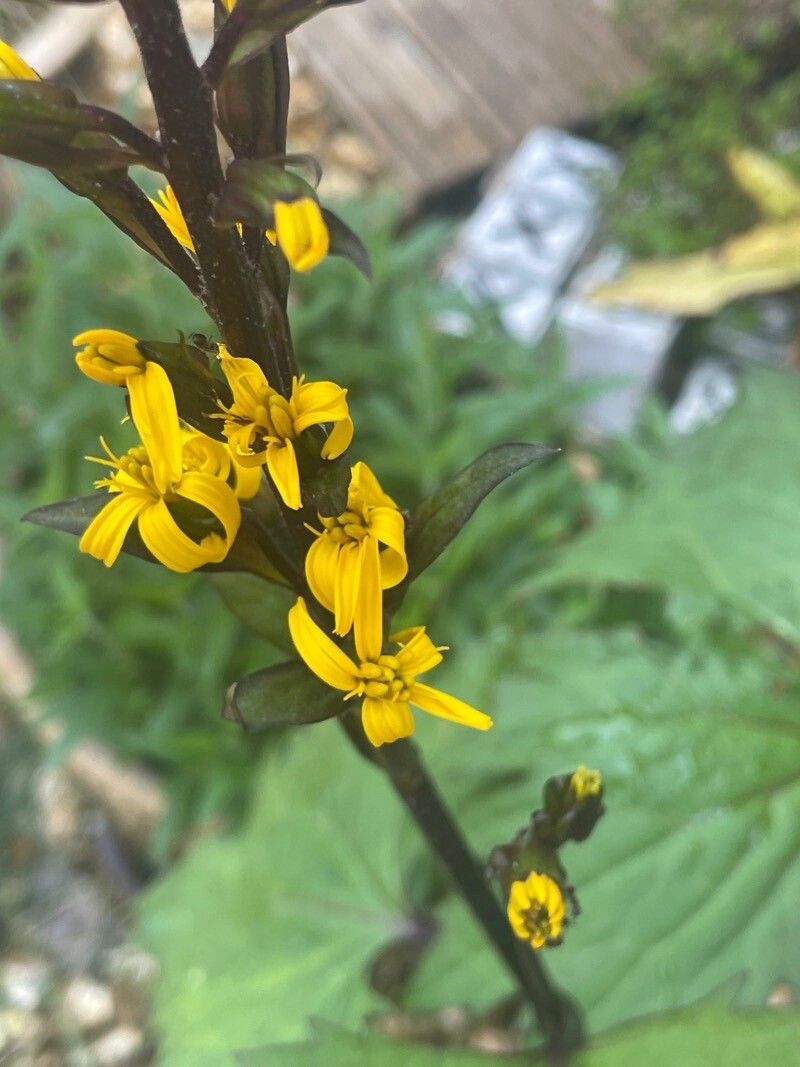
Unleashing the Power of Multiplication: Propagating Your Ligularia Stenocephala
Ligularia stenocephala, with its towering spires of yellow daisy-like flowers and impressive foliage, is a statement plant for any garden. But did you know you can easily multiply your leafy friend and amplify its impact? Propagating this striking perennial is simpler than you might think, and it’s a rewarding way to expand your plant collection without breaking the bank.
Two Roads to More Ligularia:
There are two primary methods for propagating Ligularia stenocephala: division and seed propagation. Each technique has its pros and cons, so let’s explore them:
1. Division: The “Cut and Conquer” Approach
Division is the most straightforward and reliable method for propagating Ligularia. This technique involves digging up an established plant and separating it into smaller sections, each with roots and shoots.
Here’s how it’s done:
- Timing is Key: Spring or early fall, when the weather is cool and damp, is the ideal time for division.
- Gentle Hands: Carefully lift the entire plant from the ground, using a garden fork to minimize root disturbance.
- Divide and Conquer: Shake off excess soil and gently pull apart the plant’s crown, separating it into sections with at least 3-4 healthy shoots and a good root system. A sharp, clean knife can be used to separate stubborn sections.
- Replant and Flourish: Replant the divisions immediately at the same depth they were originally growing. Water thoroughly and provide shade from harsh sun for the first few weeks while they establish.
Division Advantages:
- Preserves Parent Plant Traits: This method guarantees you’ll get plants identical to the parent, including flower color and growth habit.
- Faster Results: Divided plants are already mature and will establish themselves faster than seedlings, often flowering within the same year.
2. Seed Propagation: A Patient Gardener’s Delight
Growing Ligularia stenocephala from seed is a more time-consuming process but can be rewarding, especially if you enjoy witnessing the entire lifecycle of a plant.
Here’s how to embark on this journey:
- Seed Collection: After the flowers fade, collect the small, dry seeds from the dried flower heads.
- Stratification (Optional): For best germination rates, some gardeners recommend a period of cold stratification. This involves storing the seeds in moist vermiculite in the refrigerator for 4-6 weeks.
- Sowing Time: Start seeds indoors in late winter or sow directly outdoors after the last frost.
- Light and Moisture: Sow seeds on the surface of a well-draining seed-starting mix and keep them consistently moist. Light is crucial for germination, so place them in a bright location but out of direct sunlight.
- Patience is a Virtue: Germination can take anywhere from 2-8 weeks. Once seedlings have a few sets of true leaves, thin them out, leaving the strongest ones to mature.
Seed Propagation Advantages:
- Large Quantity: Seed propagation allows you to create many new plants, perfect for filling large areas or sharing with friends.
- Potential for Variation: While less predictable than division, growing from seed can sometimes result in unique variations in flower color or growth habit.
Whichever method you choose, propagating your own Ligularia stenocephala is a fulfilling experience that allows you to expand your garden’s beauty while learning more about these fascinating plants.