
Unlocking the Secrets of Ligusticum filicinum: A Guide to Propagation
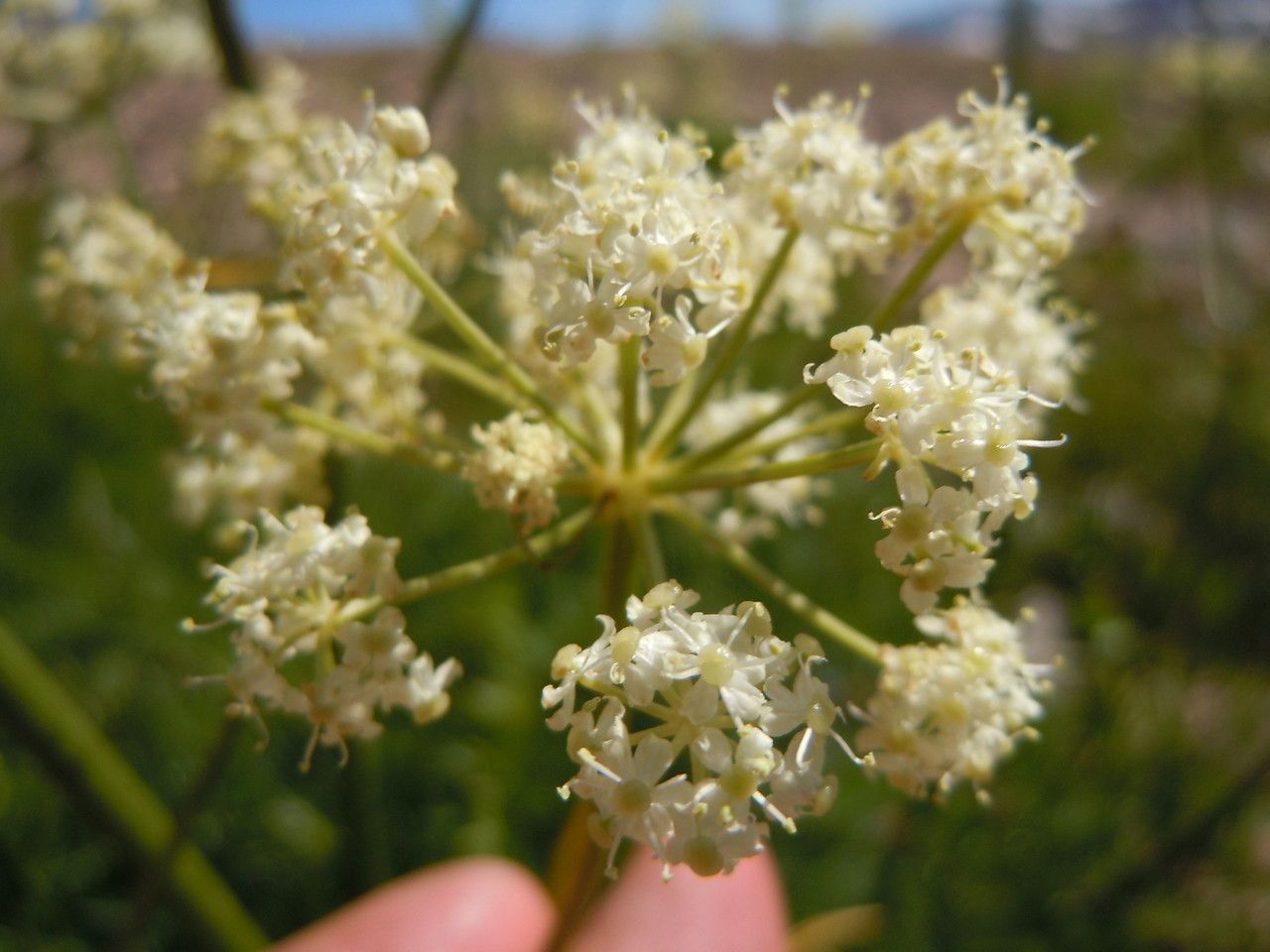
Ligusticum filicinum, with its delicate fern-like foliage and alluring umbels of white flowers, is a captivating addition to any garden. Native to the mountainous regions of Western North America, this perennial herb, often referred to as “Fern-leaf Lovage,” is not only visually appealing but also boasts a rich history of culinary and medicinal uses.
While you might be tempted to rush to your nearest nursery, successfully establishing Ligusticum filicinum in your garden often starts with propagation. Don’t worry, mastering the art of propagating this beautiful plant is an achievable feat, even for novice gardeners. Let’s dive into the different methods you can employ:
1. Seed Propagation: Embracing the Cycle of Life
Starting Ligusticum filicinum from seed is a rewarding, albeit slightly more time-consuming, process:
- Timing is Key: Sowing in early spring or late fall, when temperatures are cooler, yields the best results.
- Sowing the Seeds: Use a seed starting mix that drains well. Lightly press the seeds into the soil, ensuring they are barely covered.
- Creating the Ideal Environment: Keep the soil consistently moist but not waterlogged. A sunny windowsill or a greenhouse provides the necessary warmth and light.
- Patience, Young Padawan: Germination can take anywhere from a few weeks to a couple of months. Don’t lose hope!
2. Division: Multiplying Your Bounty
For established Ligusticum filicinum plants, division is a wonderfully straightforward propagation method:
- When to Divide: Spring or early fall provides ideal conditions for plant division.
- The Process: Carefully dig up the entire plant, ensuring you get as much of the root system as possible. Using a sharp, clean knife or garden shears, divide the plant into sections, each containing a good amount of roots and shoots.
- Transplanting: Replant the divisions immediately in well-drained soil and water thoroughly.
3. Cuttings: A Snippet of Success
Taking cuttings is a slightly more advanced technique but can be equally successful:
- Timing and Selection: Take cuttings in late spring from healthy, actively growing stems.
- Making the Cut: Choose stems that are about 4-6 inches long and cut just below a leaf node. Remove the lower leaves.
- Encouraging Root Development: Dip the cut end in rooting hormone and plant the cuttings in a well-draining potting mix.
- Creating a Humid Environment: Cover the pot with a plastic bag or humidity dome to trap moisture.
Nurturing Your Ligusticum Filicinum
Regardless of your chosen propagation method, providing the right care is crucial for success:
- Sunlight: Ligusticum filicinum thrives in partial shade to full sun, depending on your climate.
- Water: Keep the soil consistently moist, but avoid waterlogging. Allowing the soil to dry slightly between waterings is beneficial.
- Soil: A well-drained, fertile soil is essential for optimal growth.
Propagating your own Ligusticum filicinum can be an incredibly rewarding experience. Not only will you enjoy the satisfaction of nurturing new life, but you’ll also have the pleasure of seeing these beautiful and beneficial plants grace your garden for years to come.