
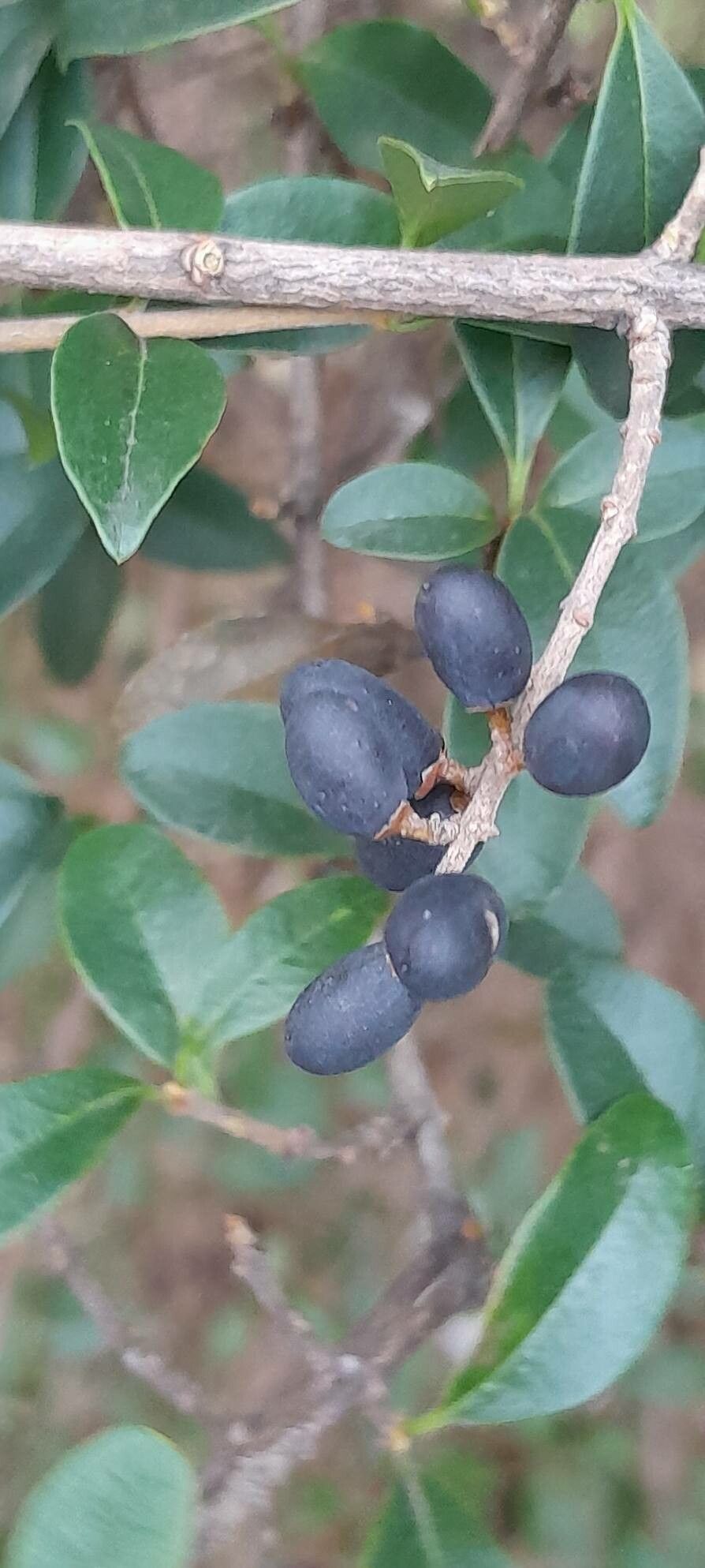
From Snipping to Thriving: Propagating the Elegant Ligustrum Delavayanum
Ligustrum delavayanum, with its graceful, arching branches adorned with glossy, dark green leaves, is a beautiful addition to any garden. This adaptable shrub is easy to care for and can be grown in a variety of conditions, making it a popular choice for both novice and experienced gardeners. But did you know that you can easily share the beauty of Ligustrum delavayanum with others (or just expand your own collection) by propagating new plants from cuttings?
This article will guide you through the process of propagating Ligustrum delavayanum using the most common and effective method: softwood cuttings.
1. Timing is Key:
The best time to take softwood cuttings from Ligustrum delavayanum is during the spring and early summer, when the new growth is tender and pliable. This “softwood” is the perfect material for successful propagation.
2. Selecting the Right Cuttings:
Choose healthy, vigorous stems with new growth. Cuttings should be about 4-6 inches long, taken from the tips of the branches. Ideally, each cutting should have at least two sets of leaves.
3. Preparing the Cuttings:
- Make a clean cut: Use a sharp knife or pruning shears to make a clean, angled cut just below a node (the point where a leaf grows from the stem).
- Remove lower leaves: Remove the leaves from the bottom inch or two of the cutting to expose the stem for rooting.
- Optional: Dipping in rooting hormone: While not strictly necessary, dipping the cut end in rooting hormone can help encourage quicker root development.
4. Creating the Rooting Medium:
Softwood cuttings root best in a well-draining mix, like a combination of equal parts peat moss, perlite, and vermiculite. You can also use a commercially available potting mix designed for rooting.
5. Planting the Cuttings:
- Fill a pot or tray: Fill your chosen container with the rooting mix and moisten it thoroughly.
- Make a hole: Use a pencil or your finger to make a hole in the medium for each cutting.
- Insert the cutting: Place the cutting into the hole, making sure the cut end is completely buried in the rooting medium.
- Firm gently: Gently firm the rooting mix around the base of the cutting. Ensure the cutting is secured and not loose in the mix.
6. Maintaining the Cuttings:
- Water regularly: Keep the rooting mix consistently moist, but not soggy.
- Humidity is key: Maintain high humidity around the cuttings by covering the container with a plastic dome or bag, creating a mini greenhouse environment.
- Provide light: Place the container in a bright, indirect light location. Avoid direct sunlight, which can scorch the cuttings.
- Patience is a virtue: It usually takes 4-6 weeks for cuttings to develop roots.
7. Transplanting:
- Check for roots: After the recommended time, gently tug on the cuttings to check for resistance, indicating root development.
- Transition to potting soil: Once the cuttings have developed strong roots, you can transplant them into individual pots filled with a good-quality potting mix.
Enjoy Your New Ligustrum Delavayanum:
With patience and proper care, your Ligustrum delavayanum cuttings will develop into healthy, robust plants. These new plants will provide you with the joy of watching them grow and the satisfaction of propagating your own greenery. Remember to enjoy the process and celebrate your success in expanding your garden from clippings to thriving plants.