
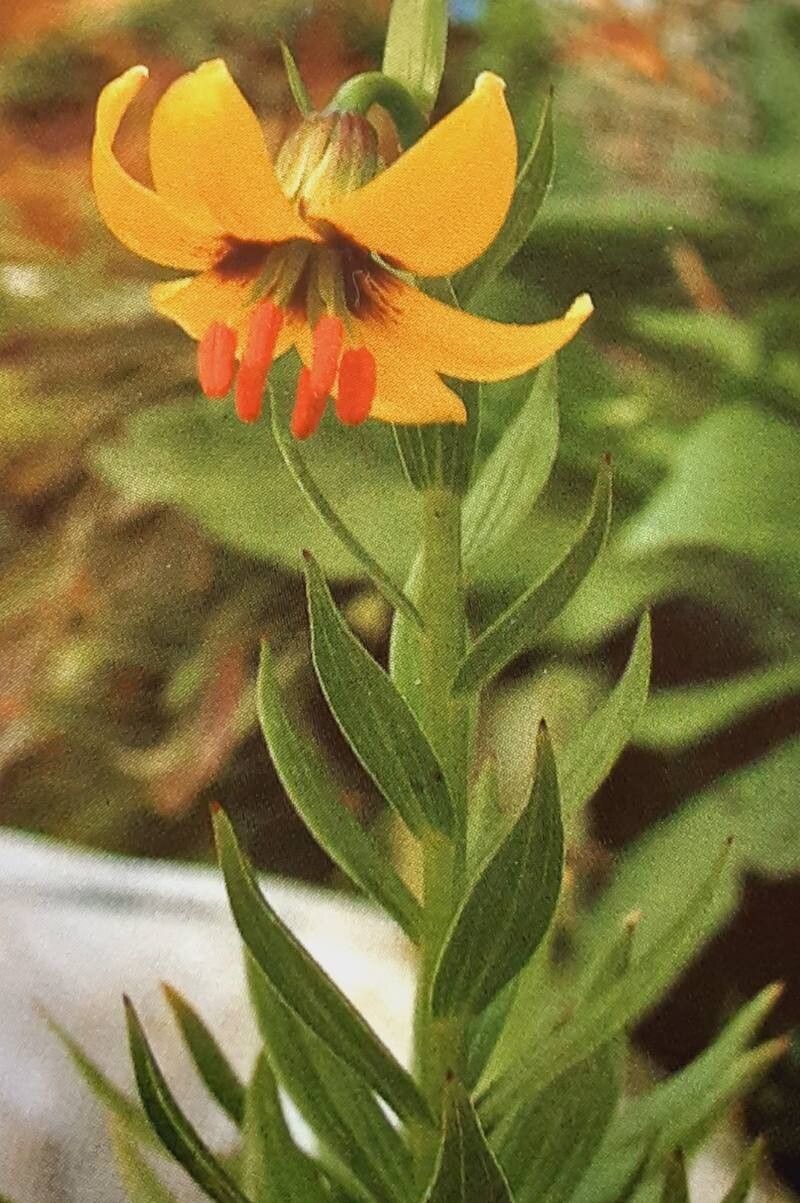
Propagating the Carniolan Lily: A Gardener’s Guide to Lilium carniolicum
Introduction
Lilium carniolicum, commonly known as the Carniolan lily, is a captivating species distinguished by its vibrant, downward-facing, red-orange Turk’s cap flowers speckled with dark spots. These lilies grace gardens with their striking beauty and relatively easy cultivation in well-drained, slightly acidic soil. Their popularity among gardeners stems from their hardiness, relatively low maintenance requirements, and show-stopping blooms. However, propagation presents unique challenges compared to some hybrid lilies. This guide explores various propagation methods for Lilium carniolicum, outlining their feasibility and potential rewards.
Seed Germination:
Seed germination of Lilium carniolicum is possible, but presents significant challenges. The seeds are notoriously slow to germinate, often requiring a period of cold stratification to break dormancy. This involves mimicking winter conditions by keeping the seeds moist at a temperature near 0-4°C (32-39°F) for several weeks, typically 8-12 weeks. Sowing should occur in a well-draining seed compost in individual pots or seed trays, and kept moist but not waterlogged. Germination can still be erratic, and seedlings are fragile and require careful nurturing. The rewards, however, are significant: obtaining genetically diverse offspring and the potential for large-scale propagation for conservation or commercial purposes, are substantial advantages.
Cuttings:
Currently, there are no known reliable methods for propagating Lilium carniolicum from cuttings. Lilies generally don’t regrow readily from stem or leaf cuttings.
Division:
Division is the most practical and reliable method for propagating Lilium carniolicum. Established clumps can be carefully divided in autumn or early spring, once the foliage has died back or before new growth emerges. Each division should contain a portion of the rhizome with at least one healthy bud or stem. Planting the divisions at the same depth as the original clump, in well-prepared soil, ensures the highest success rate. The careful handling required minimizes risks, making this a relatively straightforward method with a high rate of success. The reward is rapid establishment of new plants, preserving the characteristics of the mother plant.
Tissue Culture:
Tissue culture offers the potential for mass propagation of Lilium carniolicum, producing large numbers of genetically identical plants. However, it requires specialized equipment, sterile conditions, and expertise in plant tissue culture techniques. Successfully establishing and maintaining sterile cultures is challenging and requires specialized knowledge and infrastructure which is generally not available to the home gardener. While this method offers unparalleled scalability, the high initial investment and technical expertise limit its applicability for amateur growers.
Conclusion:
Propagating Lilium carniolicum successfully presents varying levels of difficulty depending on the chosen method. Seed germination, while offering genetic diversity, requires patience and finesse. Cuttings are currently not a viable option. Division offers the most accessible and reliable approach for the average gardener. Tissue culture holds the potential for large-scale production but demands specialized skills and resources.
Despite the challenges, the satisfaction of successfully cultivating these stunning lilies, whether from seed, division, or through the sophisticated process of tissue culture, is immense. The perseverance required cultivates a deep appreciation for the plant’s hardiness and resilience, making the reward of seeing its vibrant blooms all the more fulfilling. To aspiring propagators, I recommend starting with division, building experience, and then exploring the more challenging methods like seed germination as your confidence and resources grow. The beauty of the Carniolan lily is worth the effort.