
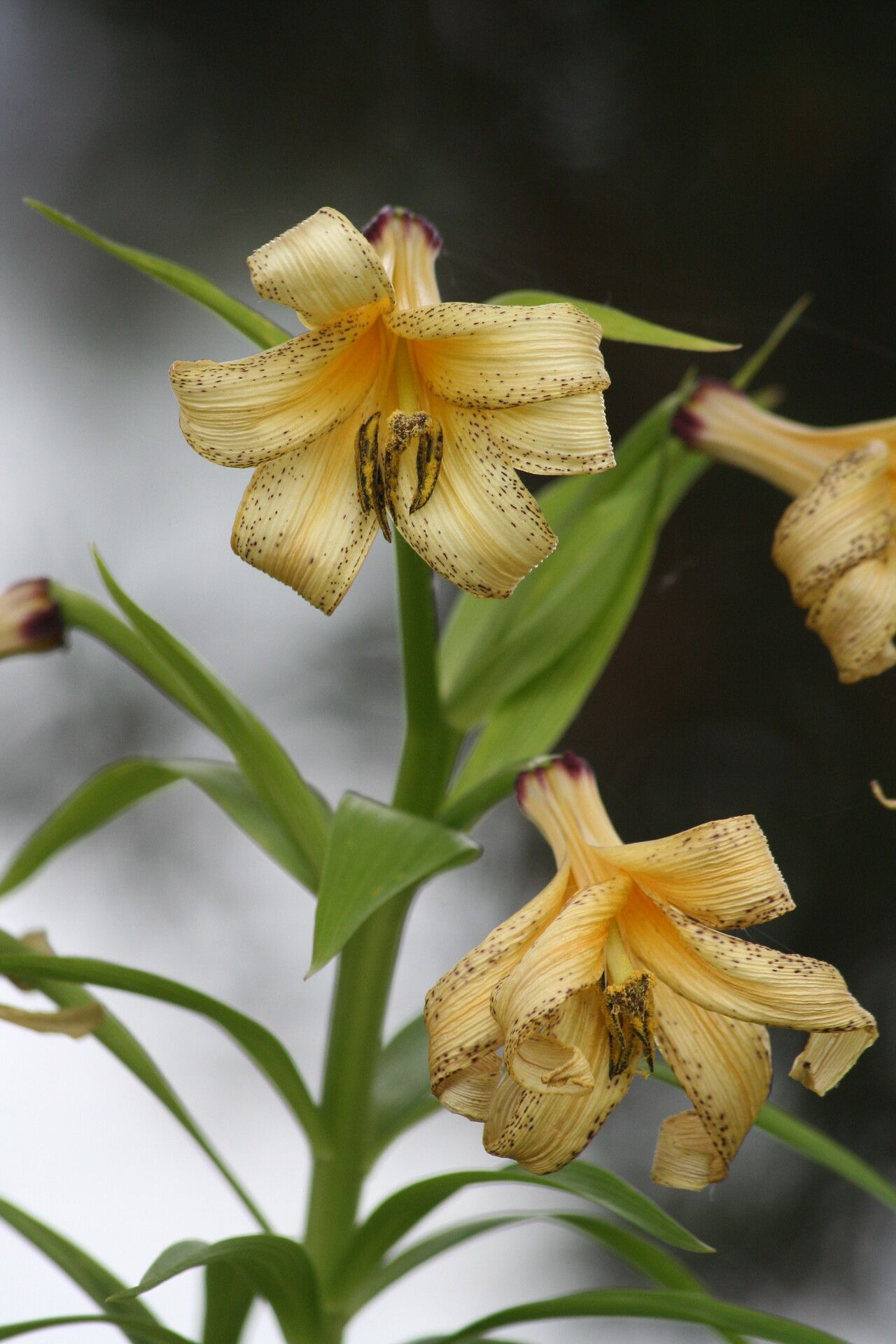
Unleash the Golden Symphony: Propagating the Majestic Lilium Kesselringianum
The Lilium kesselringianum, also known as the Kesselring lily, is a sight to behold. Its majestic, golden-yellow trumpets, often touched with delicate green stripes, bring a touch of regal elegance to any garden. Native to the Caucasus region, this lily thrives in cooler climates and wows with its towering height and captivating fragrance.
But the allure of the Kesselring lily goes beyond its beauty. This resilient species is relatively easy to propagate, allowing even novice gardeners to expand their floral kingdom and share the joy of these golden blooms. Let’s explore the fascinating world of Lilium kesselringianum propagation, empowering you to cultivate these magnificent flowers in your own backyard.
Three Paths to Propagation:
The Lilium kesselringianum offers three primary methods of propagation, each with its own advantages and challenges:
Scaling: This technique involves gently removing the small, bulb-like scales that encase the main bulb. The best time for scaling is in late summer or early fall, after the plant has finished blooming. Here’s how:
- Carefully dig up the bulb and brush off any loose soil.
- Identify healthy, plump scales at the outer layer of the bulb.
- With a clean, sharp knife, carefully detach the scales.
- Dust the scales with fungicide powder and allow them to dry for a few hours.
- Plant the scales in a well-draining potting mix, burying the bottom two-thirds.
- Keep the mix moist but not waterlogged.
- With patience, you’ll see small bulblets forming at the base of the scales in a few months.
Seed Propagation: While slightly more time-consuming, growing Lilium kesselringianum from seed offers a rewarding journey from tiny seed to towering beauty.
- Collect seeds from mature seed pods in late summer or early fall.
- Sow the seeds in a seed-starting mix, lightly covering them with soil.
- Provide consistent moisture and place the tray in a cool, well-lit location.
- Germination can take several weeks, even months. Don’t be discouraged!
- Once seedlings have a few true leaves, transplant them into individual pots.
- It may take 2-3 years for seedlings to reach flowering size.
Bulb Division: Over time, mature Lilium kesselringianum plants will develop offsets – smaller bulbs that grow around the main bulb. Dividing these offsets is a simple and effective way to propagate your lily.
- In late summer or early fall, carefully dig up the entire clump.
- Gently separate the offsets from the mother bulb, ensuring each one has roots attached.
- Replant the offsets in a well-prepared bed or individual pots, ensuring the top of the bulb is level with the soil surface.
- Water thoroughly and watch your new lilies flourish!
Nurturing Your Golden Legacy:
Regardless of the propagation method, providing the right environment is crucial for success:
- Soil: Well-draining soil is vital. A mix of loam, compost, and sand is ideal.
- Light: Lilium kesselringianum thrives in full sun to partial shade.
- Watering: Maintain consistent moisture, especially during the growing season. Avoid overwatering, which can lead to bulb rot.
- Fertilization: Feed with a balanced fertilizer in spring and early summer.
The Lilium kesselringianum is not just a flower; it’s an invitation to engage with the wonders of nature. Through the rewarding process of propagation, you can amplify the golden symphony of these majestic blooms in your own garden, year after year. So go forth, propagate, and let your garden become a testament to the enduring beauty of the Kesselring lily.