
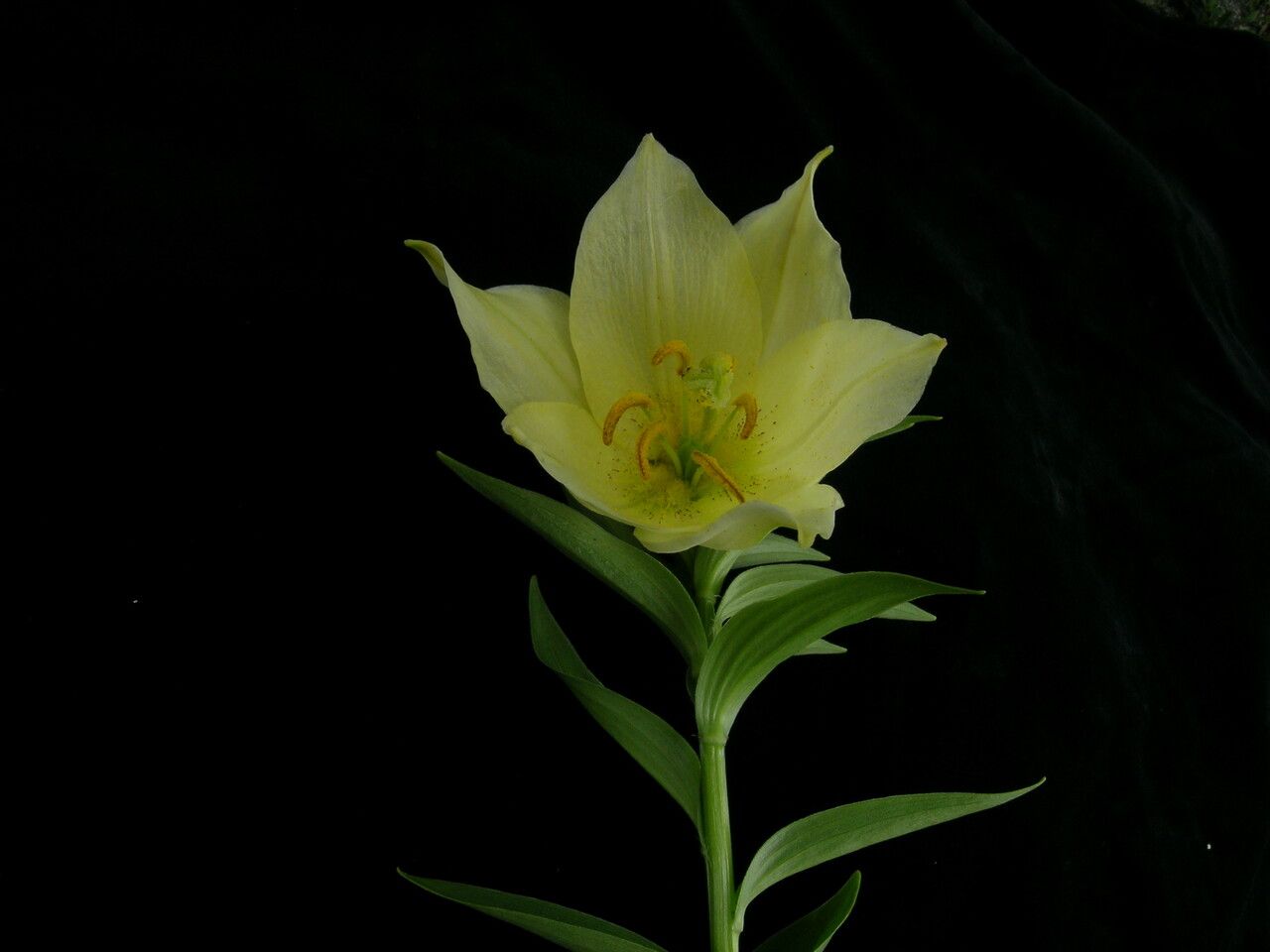
Unveiling the Secrets to Multiplying the Rare Beauty: Lilium oxypetalum Propagation
The Lilium oxypetalum, also known as the “Himalayan Lily,” is a captivating flower native to the high altitudes of the Himalayas. Its delicate, bell-shaped blooms, often adorned with striking maroon speckles, hold an allure for plant enthusiasts seeking rare and exquisite additions to their gardens. While cultivating this stunning lily can be considered a rewarding challenge, propagating it doesn’t have to be. Let’s delve into the fascinating world of Lilium oxypetalum propagation and unlock the secrets to multiplying this botanical treasure.
Understanding the Plant:
Before diving into propagation methods, it’s crucial to understand the plant’s lifecycle. Lilium oxypetalum grows from bulbs, which are underground storage structures that hold the plant’s energy reserves. Understanding the bulb’s role is essential for successful propagation.
Methods of Propagation:
Bulb Scales: This is the most common and effective method for propagating Lilium oxypetalum.
- Timing: The best time to propagate from scales is in late summer or early fall, after the plant has finished flowering and the foliage starts to yellow.
- Procedure: Gently unearth the bulb and detach a few outer scales, ensuring each scale has a small portion of the basal plate attached.
- Planting: Plant the scales in a well-draining potting mix, burying them about half their depth, with the basal plate facing downwards.
- Care: Maintain moderate moisture and place the pots in a cool, shaded location. Small bulblets should form at the base of the scales within a few months.
Offsets: As the main bulb matures, it may produce smaller offset bulbs.
- Separation: Carefully separate these offsets during the dormant season.
- Planting: Pot them individually in a well-draining mix.
- Growth: These offsets will develop into mature bulbs over time, eventually producing their own flowers.
- Seeds: While possible, propagating Lilium oxypetalum from seed can be more challenging and time-consuming.
- Collection: Harvest ripe seed capsules after flowering.
- Sowing: Sow the seeds in a seed-starting mix, lightly covering them.
- Germination: Maintain consistent moisture and provide adequate light. Germination can be erratic and may take several months.
- Flowering: Seed-grown plants can take several years to reach flowering size.
Essential Care for Successful Propagation:
- Well-draining soil: Lilium oxypetalum thrives in well-drained soil. A mix of peat moss, perlite, and vermiculite is ideal.
- Moderate watering: Keep the soil consistently moist but not waterlogged.
- Indirect sunlight: Provide bright, indirect sunlight for optimal growth.
- Fertilization: Apply a balanced liquid fertilizer every few weeks during the growing season.
Conclusion:
Propagating Lilium oxypetalum might seem daunting, but with patience and the right techniques, you can successfully multiply this enchanting Himalayan treasure. Whether you choose to propagate through bulb scales, offsets, or venture into the world of seed propagation, each method offers a rewarding journey for plant enthusiasts. So why not embrace the challenge and witness the magic of new life unfolding from the delicate scales of this extraordinary flower?