
Propagating the Charming Lilium pomponium: A Gardener’s Guide
Introduction
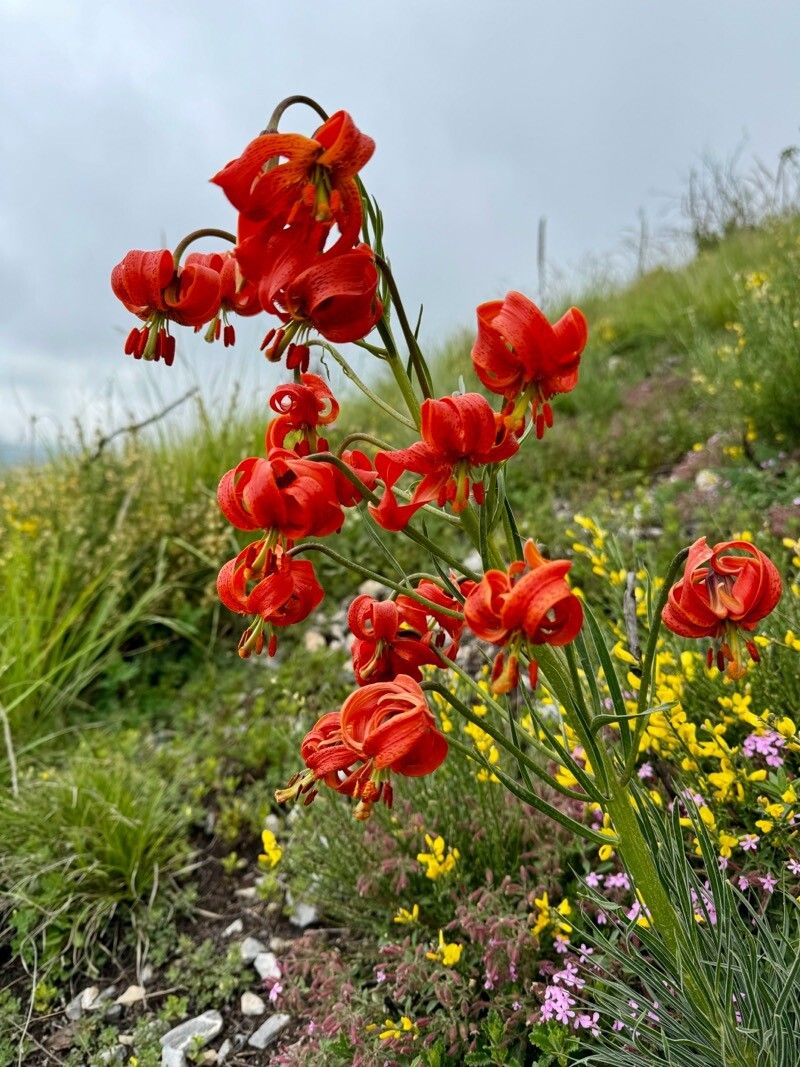
Lilium pomponium, commonly known as the Pyreneean lily or the orange pompon lily, is a captivating species celebrated for its vibrant, upward-facing, orange-red flowers. These flowers, adorned with dark spots, bloom in late spring to early summer, adding a burst of color to the garden. Its compact size and relative tolerance make it a desirable addition to rock gardens and alpine settings. However, its propagation presents unique challenges compared to other lilies, making success particularly rewarding. While relatively uncommon in cultivation compared to other lilies, its beauty ensures its continued popularity among plant enthusiasts striving for unique garden additions.
Seed Germination:
Currently, there are no known reliable methods for seed germination propagation of Lilium pomponium. While seeds can be produced, germination rates are notoriously low, and seedlings often exhibit slow growth and low viability. The complex requirements for successful germination, if they exist at all, remain largely undocumented.
Cuttings:
Cuttings are not a viable method for propagating Lilium pomponium. Lilies, unlike some other plants, do not readily root from stem or leaf cuttings. Attempts at this method are unlikely to yield success.
Division:
Division is the most reliable and widely practiced method for propagating Lilium pomponium. It involves carefully separating the bulb clusters (offsets) produced by mature plants.
Challenges: Successful division requires gentle handling to avoid damaging the delicate bulbs and roots. Selecting strong, healthy offsets is crucial for high survival rates. The timing is also important; ideally, division should take place during the plant’s dormancy period, usually in late summer or early autumn.
Practical Tips: After carefully excavating the mother bulb, gently separate the offsets using a sharp, clean knife or trowel. Ensure each offset has a viable portion of root and stem. Plant the offsets immediately in well-drained soil, keeping them slightly shallower than the original planting depth. Proper watering and protection from frost throughout the winter are essential for successful establishment.
- Rewards: Division provides a relatively easy and efficient method for increasing the number of plants. While it doesn’t introduce genetic diversity, it is a quick way to expand a desirable cultivar within one’s garden.
Tissue Culture:
Tissue culture provides a potentially highly effective method for large-scale propagation of Lilium pomponium, though it requires specialized equipment, sterile techniques, and expertise. It allows for the production of many genetically identical plants from a small amount of source material, circumventing the challenges of seed germination and division.
Challenges: Tissue culture is a complex and technically demanding process requiring specialized knowledge, equipment (including autoclaves and laminar flow hoods), and aseptic conditions to prevent contamination. Success depends on careful selection of explant material, appropriate culture media formulations, and consistent monitoring of culture conditions.
Practical Tips: This is best left to nurseries or laboratories specializing in plant tissue culture. While not a home propagation option, this is how large-scale propagation for commercial production occurs.
- Rewards: Mass propagation with high success rates and the potential for creating disease-free plants are the main advantages.
Conclusion:
Propagating Lilium pomponium presents a unique set of challenges. While seed germination and cuttings are not viable options, division provides a straightforward, albeit labor-intensive, means of increasing population. Tissue culture offers the potentially most efficient solution but necessitates professional resources. The rewards of successfully cultivating this beautiful lily, however, are substantial. The satisfaction of nurturing a plant with such unique characteristics, especially after overcoming the difficulties involved, is well worth the effort. For the home gardener, mastering the art of division offers a fulfilling way to enhance their garden with these attractive orange flowers. Embrace the challenge, and enjoy the rewards of your hard work.