
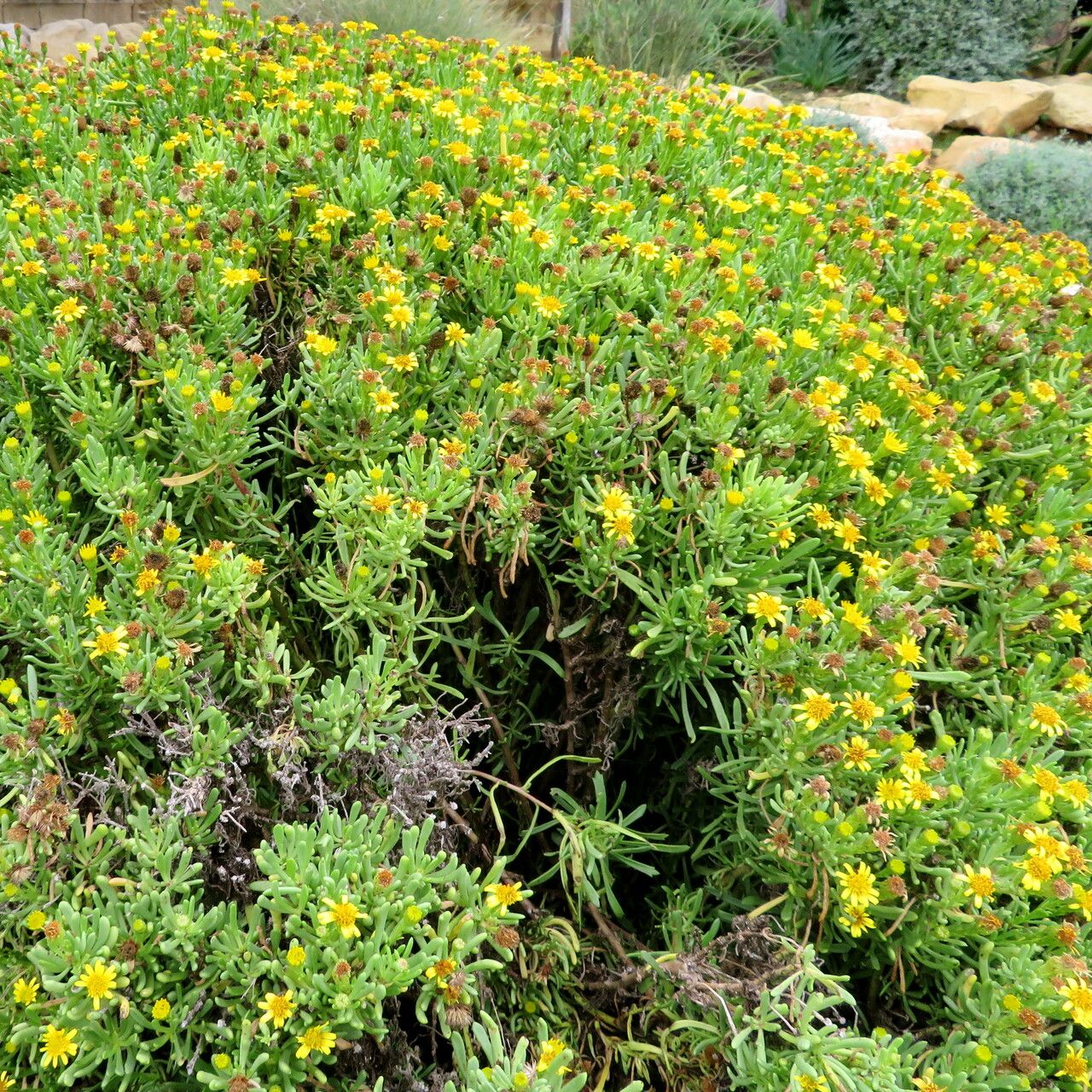
Golden Sands of Success: Propagating the Hardy Sea-Spray Treasure, Limbarda crithmoides
The coastal plains of Europe hold a vibrant secret – Limbarda crithmoides, a hardy plant with sunny yellow daisies and a captivating resilience. Known by endearing names like Golden samphire and Sea-spray, this beauty thrives in challenging conditions, gracing seaside landscapes with its cheerful presence. But did you know that you, too, can cultivate this coastal charmer? Whether you’re miles from the sea or simply want to multiply your existing treasure, propagating Limbarda crithmoides is an achievable and rewarding endeavor. Let’s dive into the golden sands of success with these two simple methods:
1. Taking Cuttings – A Slice of Sunshine:
Propagating from cuttings offers a quick and efficient way to clone your Limbarda crithmoides. Here’s how:
- Timing is Key: The ideal time to take cuttings is during the plant’s active growing season, typically late spring to early summer.
- Select and Snip: Choose healthy, non-flowering stems with new growth. Using clean, sharp tools, snip a cutting about 4-6 inches long, making the cut just below a leaf node.
- Prepare the Cutting: Remove the lower leaves, leaving only a few at the top. Dip the cut end in rooting hormone (optional but beneficial).
- Plant and Protect: Plant the cutting in a pot filled with well-draining, sandy soil, burying at least two leaf nodes. Water gently and cover the pot with a clear plastic bag to create a mini greenhouse effect.
- Nurture and Transplant: Place the cutting in a bright location, out of direct sunlight. Keep the soil consistently moist but not waterlogged. After a few weeks, gently tug on the cutting – resistance indicates successful rooting! Once roots are established, gradually acclimatize the cutting to outdoor conditions before transplanting to its permanent location.
2. Seeding Success – From Tiny Seeds to Coastal Beauties:
While slightly less common, growing Limbarda crithmoides from seeds holds a certain charm and allows for greater variety, especially with seed exchanges. Here’s your guide:
- Sourcing Seeds: Collect seeds from existing plants in late summer or early autumn. Alternatively, purchase seeds from reputable suppliers.
- Sowing the Seeds: In spring, sow the seeds thinly on the surface of a seed tray filled with well-draining, sandy compost. Lightly press the seeds into the soil, ensuring they are not buried too deep.
- Germination Station: Mist the soil with water and cover the tray with a clear lid or plastic wrap to retain moisture. Place the tray in a bright location, out of direct sunlight.
- Tender Loving Care: Keep the soil consistently moist but not waterlogged. Germination typically takes 2-4 weeks.
- Transplanting Time: Once the seedlings are large enough to handle, carefully transplant them into individual pots filled with well-draining, sandy soil. Gradually acclimatize them to outdoor conditions before planting them in their final location.
A Few Extra Tips for Golden Success:
- Limbarda crithmoides thrives in full sun to partial shade and well-drained soil. It’s highly tolerant of salt spray and drought conditions, making it ideal for coastal gardens.
- Protect young plants from slugs and snails, who find the tender foliage quite appetizing.
- Deadhead spent flowers to encourage bushier growth and prolonged blooming.
Propagating Limbarda crithmoides offers a fulfilling journey, allowing you to witness firsthand the resilience and beauty of this coastal gem. With a little care and attention, you can create a flourishing tapestry of golden sunshine, bringing a touch of the seaside to your doorstep.