
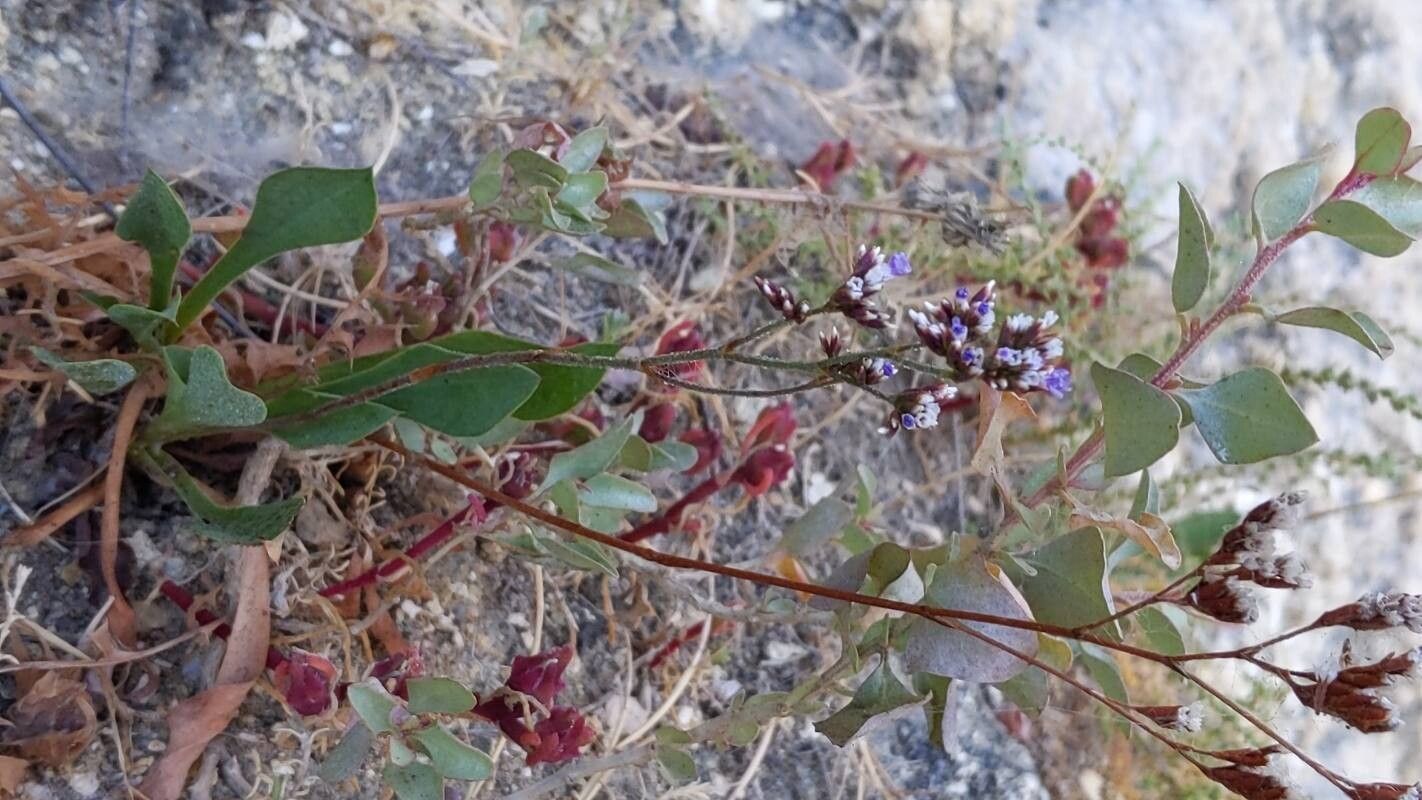
Sea Lavender’s Secret: How to Grow More Limonium auriculae-ursifolium
Limonium auriculae-ursifolium, commonly known as Sea Lavender, is a beautiful and easy-to-grow plant cherished for its vibrant flower spikes that bring a touch of seaside charm to any garden. But did you know you can easily propagate Sea Lavender and create even more of these delightful plants?
This guide will walk you through the simple methods of propagating Limonium auriculae-ursifolium, allowing you to enjoy its beauty and share it with friends and family.
Methods of Propagation:
There are two primary ways to propagate Sea Lavender:
1. Seed Propagation:
Pros:
- Easy and inexpensive: Seeds are readily available and relatively affordable.
- Abundant growth: You can potentially grow many new plants from a small packet of seeds.
Cons:
May take longer: Germination can take several weeks.
Instructions:
- Start indoors: Begin by sowing seeds in a seed tray or small pots filled with seed starting mix in late winter or early spring.
- Light and moisture: Keep the soil moist, and place the tray in a well-lit location, but avoid direct sunlight.
- Thin seedlings: Once the seedlings have developed a few true leaves, thin them out to give them space to grow.
- Hardy outdoors: Once the danger of frost has passed, harden off your seedlings and transplant them outdoors to a sunny location with well-drained soil.
2. Division:
Pros:
- Quick and efficient: Divisions can be planted immediately and will start growing quickly.
- Genetically identical: You’ll have plants that are clones of your existing Sea Lavender.
Cons:
- Requires an existing plant: You need an established plant to divide.
Instructions:
- Timing is key: Divide established plants in early spring or late summer after flowering.
- Dig and separate: Carefully dig up the plant and gently separate the root ball into sections, each with healthy roots and shoots.
- Replant: Plant the divided sections in new pots or directly into the ground, ensuring they have adequate drainage.
Tips for Success:
- Light: Sea Lavender thrives in full sun, so choose a location that receives at least 6 hours of direct sunlight daily.
- Soil: It prefers well-drained soil, so avoid heavy clay soils. If your soil is dense, consider amending it with compost or sand.
- Watering: Water regularly, especially during hot, dry weather. Allow the soil to dry slightly between waterings.
- Deadheading: Pinch off spent flower spikes to encourage more blooms and prolong flowering.
Sea Lavender’s Unique Charm:
Limonium auriculae-ursifolium, with its delicate, pastel-colored flower spikes, offers a touch of elegance to your garden. The long-lasting blooms are also excellent for drying, adding a touch of whimsy to bouquets and floral arrangements.
Grow your own Sea Lavender today! Whether you choose to start from seed or divide an existing plant, you’ll be rewarded with a beautiful and easy-to-care-for addition to your garden. And with these simple tips and tricks, you can enjoy the abundance of this seaside favorite for years to come.