
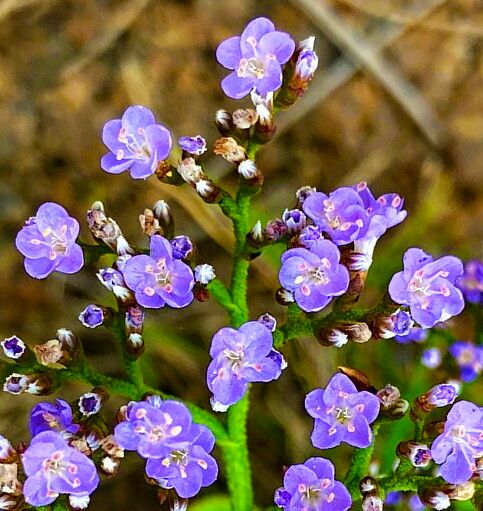
Unlocking the Secrets of Sea Lavender Propagation: A Guide to Growing Limonium brasiliense
Limonium brasiliense, commonly known as sea lavender or marsh rosemary, is a captivating perennial celebrated for its delicate purple blooms and air of untamed beauty. Native to coastal regions of South America, this salt-tolerant marvel can bring a touch of seaside charm to gardens and homes alike.
While acquiring established Limonium brasiliense plants is always an option, propagating your own allows for a more rewarding and cost-effective experience. This guide delves into the fascinating world of sea lavender propagation, equipping you with the knowledge to cultivate these beauties from scratch.
Two Paths to Propagation:
Limonium brasiliense offers two primary methods of propagation:
1. Seed Starting: A Journey of Patience and Reward
- Timing is Key: Begin seed starting in late winter or early spring. This allows ample time for seedlings to mature before facing harsh weather conditions.
- Sowing the Seeds: Choose a well-draining seed starting mix. Surface sow the seeds, pressing them lightly into the soil without burying them.
- The Light Touch: Sea lavender seeds require light to germinate. Ensure your seed trays are placed in a bright location, but out of direct sunlight.
- Moisture Management: Maintain consistent moisture levels by misting the soil surface regularly. Avoid overwatering, which can lead to damping-off disease.
- Transplanting Triumph: Once seedlings develop several sets of true leaves, transplant them into individual pots or directly into your garden after the last frost.
2. Division: Multiplying Your Sea Lavender Bounty
- The Right Time: Divide established Limonium brasiliense plants in spring or fall.
- Gentle Separation: Carefully dig up the parent plant, ensuring you lift a sizable root ball.
- Division with Care: Use a sharp, clean knife or garden shears to divide the root ball into sections, making sure each division has healthy roots and shoots.
- Replanting Time: Replant the divisions at the same depth they were previously growing. Water them in well and provide some shade during the initial establishment period.
Nurturing Your New Sea Lavender Plants:
Whether you choose seed starting or division, providing the right conditions will encourage healthy growth:
- Sun-Kissed Location: Select a sunny location for your Limonium brasiliense. These plants thrive in at least 6 hours of sunlight daily.
- Well-Drained Soil: Ensure the soil is well-drained to prevent root rot. Amending with sand or perlite can be beneficial, especially in heavier soils.
- Watering Wisely: Water deeply but infrequently, allowing the soil to dry out slightly between watering sessions. Overwatering can be detrimental to sea lavender.
- Fertilization Needs: Limonium brasiliense is not a heavy feeder. A light application of a balanced fertilizer in spring is usually sufficient.
Reaping the Rewards:
With proper care and attention, your propagated Limonium brasiliense plants will reward you with captivating blooms that sway gracefully in the breeze. These resilient beauties will continue to flourish year after year, adding a touch of coastal allure to your garden haven. So, embark on your propagation journey, and unlock the secrets to growing these enchanting sea lavenders!