
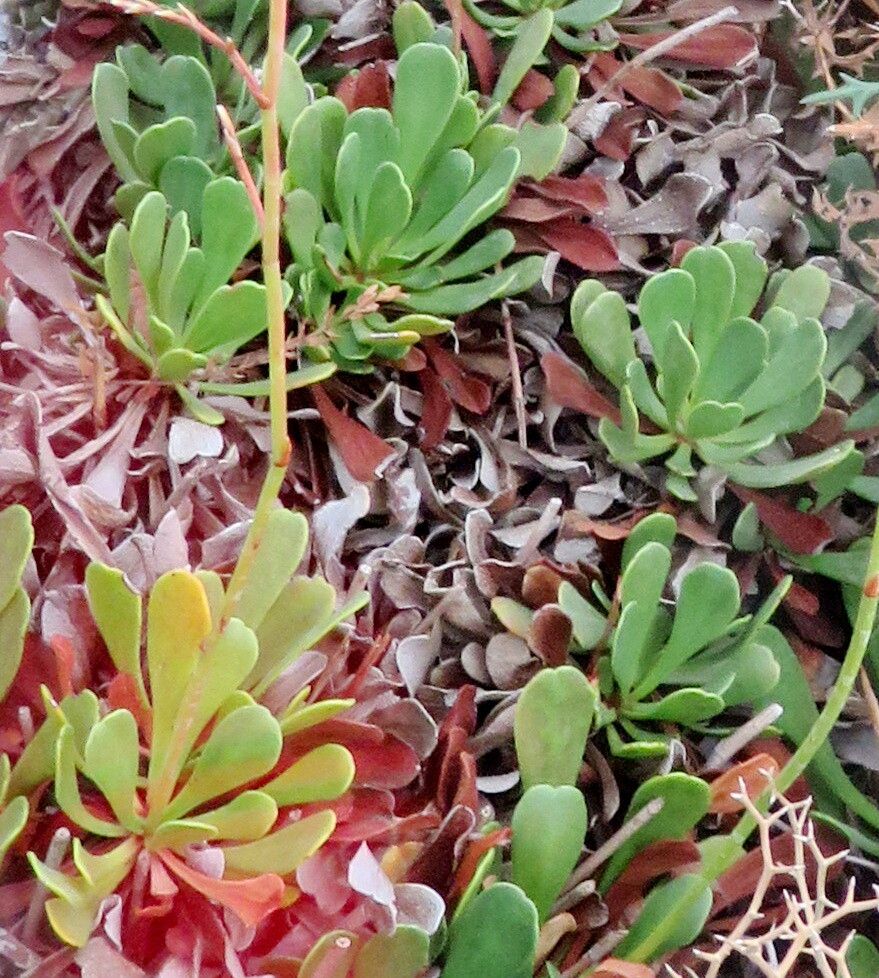
Unlocking the Secrets of Statice Propagation: How to Grow More of These Beautiful Blooms
If you’re captivated by the vibrant, long-lasting blooms of Statice (Limonium emarginatum), you’re not alone! These charming flowers are a favorite for their unique textured petals and alluring color palette. But have you ever wondered how to grow more of these beauties? The answer lies in the fascinating world of propagation, and it’s surprisingly easy to achieve!
Let’s dive into the secrets of propagating Statice, revealing the simple techniques you can use to cultivate a vibrant garden filled with these stunning blooms.
Understanding Statice: A Quick Overview
Statice, also known as Sea Lavender, is a genus of flowering plants native to coastal regions of the Mediterranean. They boast a wide range of colors, from bold blues and purples to soft pinks and whites, making them a versatile addition to any garden or floral arrangement. Their dried blossoms retain their vibrant hues, allowing you to savor their beauty long after they’ve bloomed.
Mastering Seed Propagation: A Simple Start
The most common method for propagating Statice is through seed germination. Here’s a step-by-step guide:
- Timing is Key: Sow your Statice seeds indoors 6-8 weeks before the last frost date.
- Prepare the Seedbed: Fill shallow seed trays with a well-draining seed-starting mix.
- Sow Carefully: Sprinkle seeds thinly onto the surface of the soil, gently pressing them in without covering them completely.
- Provide Optimal Conditions: Maintain a warm temperature of 70-75°F and keep the soil consistently moist.
- Thinning for Success: Once seedlings emerge, thin them out, leaving the strongest seedlings 2-3 inches apart.
- Hardening Off: Gradually acclimatize the seedlings to outdoor conditions before transplanting them into a sunny location in your garden.
Pro Tip: You can also directly sow Statice seeds outdoors after the last frost in a well-prepared bed.
Harnessing the Power of Cuttings: A Faster Route
For a faster route to new Statice plants, consider propagating them through cuttings. This method allows you to create new plants from existing stems. Follow these steps:
- Choose the Right Stem: Select a healthy, non-flowering stem from a mature Statice plant.
- Make a Clean Cut: Take a sharp knife or pair of garden shears and cut just below a node (where leaves grow).
- Prepare the Cutting: Remove the lower leaves and dip the cut end into rooting hormone for better success.
- Plant Your Cutting: Insert the cutting into a well-draining potting mix, ensuring that the node is buried just below the surface.
- Provide Ideal Conditions: Maintain consistently moist soil and keep the cutting in a bright, indirect light location.
- Be Patient: Expect roots to develop within 4-6 weeks.
Top Tips for Successful Propagation
- Use a Good Quality Growing Medium: A lightweight, well-draining potting mix that retains moisture is essential for Statice propagation.
- Maintain Even Moisture: While Statice enjoys well-drained soil, it’s important to keep it consistently moist but not soggy.
- Provide Adequate Light: Both seedlings and cuttings need plenty of bright, indirect light for optimal development.
- Protect from Pests and Diseases: Be vigilant for any signs of pest infestation or disease, and address them promptly.
Embrace the Joy of Propagation
With a little effort and patience, you can easily multiply your Statice collection and enjoy these vibrant blooms for years to come. Whether you choose to start from seeds or cuttings, the rewards of propagation are well worth the time and effort. Witness the magic of new life unfold and experience the joy of cultivating your own haven of vibrant Statice flowers!